

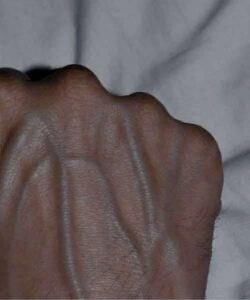
Many people notice that veins on their hands, arms, feet, or other parts of the body become more visible over time. In most cases, this is a normal physical characteristic and not necessarily a sign of a medical problem.
The appearance of visible veins can be influenced by several factors, including genetics, body composition, skin characteristics, age, and daily activities.
Why Veins Become More Noticeable
Veins are responsible for carrying blood back to the heart and are located just beneath the skin’s surface. Depending on a person’s physical characteristics, these blood vessels may be more or less visible.
One common reason for prominent veins is lower body fat. When there is less tissue between the skin and the veins, blood vessels may appear more noticeable, particularly on the hands, forearms, and feet.
Skin thickness and skin tone can also affect visibility. Individuals with thinner or lighter skin may naturally see their veins more clearly than others.
The Role of Genetics
Genetics can play a significant role in how visible veins appear.
Some people naturally have veins that sit closer to the surface of the skin, while others may inherit thinner skin or other physical traits that make blood vessels easier to see.
If visible veins run in your family, they may simply be part of your natural appearance.
Exercise and Physical Activity
Physical activity can temporarily increase the visibility of veins.
During exercise, muscles require more oxygen-rich blood, causing blood flow to increase and veins to expand slightly. This effect is especially noticeable during strength training and other forms of intense exercise.
For most people, vein prominence decreases after the body returns to its normal resting state.
Temperature and Environmental Factors
Warm temperatures can also affect the appearance of veins.
When the body becomes warmer, blood vessels may widen to help regulate body temperature. As a result, veins can appear larger or more visible than usual.
This temporary change often occurs after spending time outdoors in hot weather, taking a warm shower, or engaging in physical activity.
Age-Related Changes
As people age, the skin naturally becomes thinner and may lose some elasticity.
At the same time, the layer of fat beneath the skin can decrease. These normal age-related changes may make veins more noticeable, even in individuals who have never paid much attention to them before.
Visible veins are therefore a common part of the aging process for many adults.
When to Consult a Healthcare Professional
Although visible veins are often harmless, certain symptoms should be evaluated by a healthcare provider.
Consider seeking medical advice if visible veins are accompanied by:
- Pain or tenderness
- Swelling in the affected area
- Redness or warmth around a vein
- Sudden or significant changes in appearance
- Skin discoloration
- Persistent itching or discomfort
A healthcare professional can help determine whether additional evaluation or treatment is needed.
Key Takeaway
For many people, visible veins are a normal variation in appearance and are influenced by factors such as genetics, body composition, skin characteristics, physical activity, temperature, and aging.
While prominent veins are often harmless, any new or concerning symptoms should be discussed with a qualified healthcare provider to ensure appropriate evaluation and care.
This article is intended for informational and educational purposes only and should not be considered medical advice. Always consult a qualified healthcare professional regarding questions about your health or any medical concerns.
Leave a Reply