
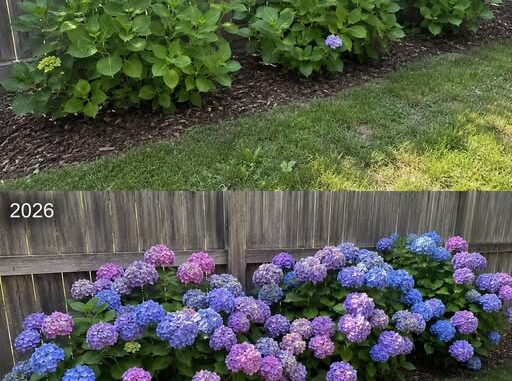
Hydrangeas are beloved for their large, colorful flower clusters and their ability to become a standout feature in almost any garden. But it can be frustrating when a shrub looks healthy, produces plenty of green foliage, and still refuses to bloom.
Fortunately, a lack of flowers does not always mean something is seriously wrong. In many cases, the problem comes down to pruning, sunlight, weather, watering, or choosing a variety that does not suit the growing conditions.
Here are some of the most common reasons hydrangeas fail to flower and what you can do about them.
1. Pruning at the Wrong Time
One of the most common causes of poor flowering is incorrect pruning.
Some popular hydrangeas, including many bigleaf and oakleaf varieties, develop their flower buds on old wood. In other words, the buds for next season’s flowers may already be present on branches before winter arrives.
Heavy pruning during fall, winter, or early spring can therefore remove the very buds that would have produced flowers.
If your hydrangea blooms on old wood, avoid unnecessary pruning during the dormant season. Remove dead or damaged growth when appropriate, and if shaping is needed, pruning shortly after flowering is generally safer.
Because newer hydrangea cultivars can behave differently, it is worth identifying your specific variety before reaching for the pruning shears.
2. The Plant May Not Be Getting Enough Light
Hydrangeas can tolerate partial shade, but that does not mean they thrive in deep shade.
A plant receiving very little sunlight may produce beautiful, abundant foliage while producing relatively few flowers.
Many hydrangeas perform well with several hours of sunlight, particularly gentle morning sun followed by protection from intense afternoon heat.
If a shrub is growing beneath dense trees or beside a structure that blocks most daylight, consider whether it could benefit from a brighter location. Container-grown plants are easier to reposition, while established garden shrubs may require more careful planning.
3. Late Frost Can Damage Flower Buds
A warm spell in spring can cause hydrangea buds to begin developing. Unfortunately, a sudden freeze afterward can damage those tender buds.
The plant may still appear healthy and produce fresh leaves, but the flowers that would have developed from damaged buds may never appear.
If a late frost is expected, gardeners can use appropriate frost protection such as breathable plant coverings. Removing the covering after temperatures rise helps prevent overheating and encourages normal growth.
4. Too Much Nitrogen Can Encourage Leaves Instead of Flowers
Fertilizer can be helpful, but more is not necessarily better.
Nitrogen encourages vigorous leafy growth. When a hydrangea receives excessive nitrogen, it may put much of its energy into stems and foliage rather than flower production.
This can happen when lawn fertilizer accidentally reaches nearby shrubs.
If your hydrangea is extremely leafy but rarely blooms, review your fertilizer routine. Avoid repeatedly applying high-nitrogen products near the plant and follow the instructions for whichever fertilizer you choose.
5. Inconsistent Watering Can Affect Flowering
Hydrangeas generally prefer evenly moist soil, particularly during periods of active growth and flower-bud development.
Extended drought can place stress on the plant and may affect its ability to produce flowers. Newly planted shrubs can be especially vulnerable because their root systems are still becoming established.
During dry weather, provide thorough watering rather than frequent, shallow watering. A layer of mulch around the root zone can also help reduce evaporation and keep soil temperatures more stable.
The goal is moist soil—not constantly saturated soil.
6. Winter Conditions May Damage Buds
Cold temperatures and sudden changes in weather can sometimes damage flower buds, particularly on varieties that bloom from old wood.
A shrub may survive winter perfectly well while losing some or all of the buds needed for flowering.
In colder regions, appropriate winter protection can help reduce damage. Mulching around the root area and using protective coverings during particularly severe conditions may be useful, depending on the variety and local climate.
Avoid stimulating tender new growth late in the season with unnecessary fertilizer.
7. Your Hydrangea May Simply Be Young
Newly planted hydrangeas sometimes need time before they produce their best displays.
During their early years, plants may concentrate more energy on establishing roots and adapting to their new location. Flowering may therefore be limited at first.
Rather than responding with excessive fertilizer or aggressive pruning, focus on consistent watering, suitable light, and healthy soil.
With time, an established root system can support stronger growth and more impressive flowering.
8. The Variety May Not Suit Your Climate
Hydrangeas are not all alike.
Different species and cultivars have different tolerances for cold, heat, sunlight, and moisture. A variety that performs beautifully in one region may struggle to flower reliably somewhere with very different conditions.
Before purchasing a new hydrangea, check whether the cultivar is appropriate for your local growing conditions and hardiness zone. Local garden centers and nurseries can often recommend varieties that have performed well in the area.
Don’t Assume Your Hydrangea Has Failed Too Early
Another common mistake is becoming impatient.
Hydrangeas do not all flower at the same time. Some varieties begin blooming relatively early, while others take considerably longer.
A shrub can also produce leaves well before its flower buds become obvious.
If the plant otherwise looks healthy, give it time before making major changes to its care routine.
Simple Habits for Better Hydrangea Blooms
A reliable care routine can make a significant difference.
- Identify your hydrangea variety and learn whether it flowers on old wood, new wood, or both.
- Prune according to the needs of that particular variety.
- Provide adequate sunlight without exposing heat-sensitive varieties to excessive afternoon heat.
- Water deeply during prolonged dry periods.
- Use mulch to help conserve soil moisture.
- Protect vulnerable plants from severe late frosts when appropriate.
- Avoid excessive nitrogen fertilizer.
- Give young plants time to establish themselves.
Final Thoughts
When a hydrangea produces healthy foliage but very few flowers, the answer is often found in its growing conditions rather than in the plant itself.
Incorrect pruning is a particularly common problem because removing the wrong branches at the wrong time can eliminate developing flower buds. However, insufficient light, frost damage, drought, excessive fertilizer, winter injury, age, and variety selection can all play a role.
The best approach is to identify the type of hydrangea you have and then adjust its care accordingly. With suitable light, consistent moisture,
Leave a Reply