

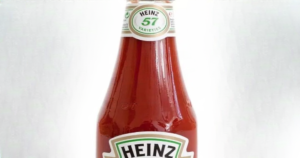
If you have ever looked closely at a bottle of Heinz ketchup, you have probably noticed the number 57 printed on the label or glass bottle.
Many people assume it means Heinz once made 57 types of ketchup, or that the recipe contains 57 ingredients. But the real story is much simpler — and much more interesting.
The number 57 became one of the most recognizable details in food branding history.
The Origin of the Number 57
The story goes back to Henry J. Heinz, the founder of the H.J. Heinz Company.
According to company history, Heinz once saw an advertisement that used a number to promote variety. He liked the idea because it was easy to remember and made the product feel more distinctive.
At the time, Heinz already sold many different food products, but the number 57 was not meant to be an exact count.
Instead, it was chosen because Henry Heinz liked the number 5, and his wife liked the number 7. Together, they created the now-famous “57 Varieties” slogan.
Did Heinz Really Have 57 Products?
Not exactly.
The number was more symbolic than literal. Heinz had many products over the years, including sauces, pickles, relishes, condiments, and packaged foods.
But “57 Varieties” became a catchy phrase that suggested choice, quality, and trust.
That is what made it so effective.
A Smart Branding Decision
The number 57 helped Heinz stand out on store shelves.
It was short, easy to remember, and visually distinctive. Over time, it became closely connected to the Heinz brand itself.
Even today, people recognize the number instantly. That kind of long-term brand recognition is rare.
Why People Tap the 57 on Glass Bottles
There is also a popular tip connected to the number.
On classic Heinz glass bottles, many people tap near the “57” mark to help the ketchup pour more easily.
The idea is that tapping that spot helps move the ketchup without shaking the bottle too aggressively. Whether people learned it from family, ads, or personal habit, it became part of the Heinz experience.
Common Myths About the Number 57
Over time, several myths developed around the number.
Some people believe it means:
There are 57 ketchup ingredients
Ketchup was Heinz’s 57th product
The company only sold 57 items
The number has a secret recipe meaning
These stories are fun, but the truth is that 57 was mostly a clever branding choice with personal meaning for Henry Heinz and his wife.
Why the Number Still Matters
The reason 57 has lasted so long is simple: it works.
It represents tradition, familiarity, and trust. For many people, Heinz ketchup is tied to childhood meals, family dinners, cookouts, fries, burgers, and comfort food.
The number 57 became part of that memory.
A Lesson in Simple Marketing
The Heinz 57 story shows how powerful simple branding can be.
A small number on a bottle became a piece of food history because it was memorable, consistent, and easy to recognize.
It proves that branding does not always need to be complicated. Sometimes one small detail can become iconic.
Final Thoughts
The number 57 on Heinz ketchup bottles does not mean there are 57 ingredients or exactly 57 products.
It began as a clever marketing idea inspired by Henry Heinz’s belief in memorable branding and personal numbers that mattered to him and his wife.
More than a century later, the number remains one of the most famous details in food packaging.
So the next time you see “57” on a Heinz bottle, you will know it is more than just a number.
It is a piece of branding history.
Leave a Reply