
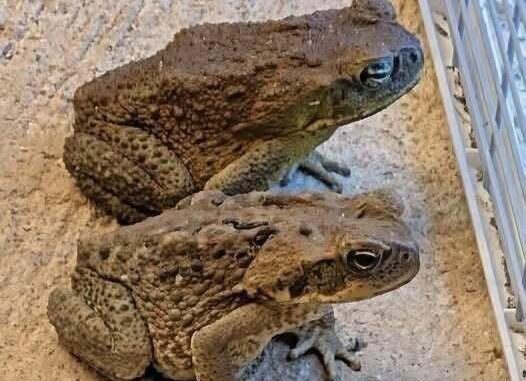
Spotting a toad in your garden or near your home might seem like a small event, but it can actually reveal a lot about the environment you’ve created. These quiet creatures are selective about where they settle, often choosing locations that provide the right balance of shelter, moisture, and food.
If a toad has made itself comfortable in your yard, it’s likely responding to conditions that support healthy wildlife. Damp soil, shaded garden beds, tucked-away corners, and a reliable supply of insects create an ideal habitat. Without realizing it, you may have developed a space that feels safe and welcoming to a variety of beneficial creatures.
Unlike some animals that can damage plants or become a nuisance, toads are generally considered helpful visitors. They spend much of their time feeding on insects and other small pests that can affect gardens and outdoor living spaces. As natural predators, they contribute to maintaining balance within the local ecosystem.
Gardeners often appreciate the role toads play in reducing populations of common insects. By feeding on unwanted bugs, they can help limit the need for chemical pest-control products. This natural form of pest management benefits not only plants but also other wildlife that shares the same environment.
Toads are also known for seeking out quiet, protected spaces during the day. You may find them resting beneath flower pots, near shrubs, under decks, or in shaded garden areas where moisture is more easily retained. These locations provide protection from heat and predators while offering easy access to food sources.
Their presence can be viewed as a positive sign that your outdoor space supports biodiversity. Healthy gardens often attract a variety of beneficial insects, birds, and small animals, all of which contribute to a balanced environment. A resident toad is often one indicator that nature is thriving nearby.
While they may not be the most attention-grabbing visitors, toads quietly perform an important role in many landscapes. They ask for very little and often provide significant benefits in return. By simply living in your yard, they help support the natural cycles that keep outdoor spaces healthy and productive.
If you notice a toad returning regularly, there’s usually no reason for concern. In most cases, it simply means your yard offers the conditions it needs to survive and flourish. Rather than being an unwanted guest, it can be considered a helpful neighbor contributing to the overall health of your garden.
The next time you spot a toad resting among your plants or hopping through the grass, take a moment to appreciate its role. Its presence may be a small reminder that even simple outdoor spaces can provide valuable habitat for wildlife while benefiting the environment in return.
Leave a Reply