

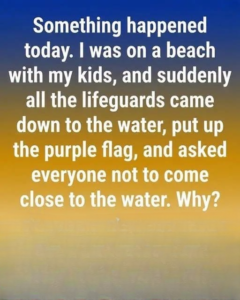
A day at the beach is a great opportunity to relax, swim, and enjoy the outdoors. Before heading into the water, however, it’s worth taking a moment to check the beach warning flags.
While many people recognize red or yellow flags, the purple beach flag is less familiar. Even so, it’s an important safety signal that can help visitors make informed decisions while enjoying the coast.
Here’s what a purple beach flag means and why it’s important to pay attention when you see one.
What Is a Purple Beach Flag?
A purple beach flag is generally used to indicate that potentially hazardous marine life has been spotted in or near the swimming area.
Depending on the beach and local authorities, this may include:
- Jellyfish
- Stingrays
- Portuguese man o’ war
- Sea lice
- Other marine animals that could cause stings or minor injuries
Although the exact guidelines can vary by location, the purpose of the flag is the same: to encourage beachgoers to use extra caution while in the water.
A purple flag does not automatically mean the beach is closed or that swimming is prohibited.
Why Beach Warning Flags Matter
Beach flag systems provide an easy way for lifeguards to communicate changing conditions throughout the day.
Because tides, weather, and ocean conditions can change quickly, warning flags allow visitors to understand potential hazards at a glance.
Depending on the beach, different flag colors may indicate:
- Calm or favorable swimming conditions
- Moderate surf or currents
- Dangerous water conditions
- Beach closures
- Marine life advisories
Checking the flags before entering the water is one of the simplest ways to stay informed.
Marine Life That May Trigger a Purple Flag
Jellyfish
Jellyfish are among the most common reasons for a purple flag.
Ocean currents can carry them close to shore, increasing the chance of accidental contact. While many jellyfish stings are mild and cause temporary discomfort, some species can produce more serious reactions.
Stingrays
Stingrays often rest beneath the sand in shallow water, making them difficult to see.
Many coastal areas recommend the “stingray shuffle”—sliding your feet along the sand instead of taking large steps—to encourage stingrays to move away before accidental contact occurs.
Portuguese Man o’ War
Although they’re often mistaken for jellyfish, Portuguese man o’ war are different marine organisms with long tentacles that can deliver painful stings.
Even specimens that have washed onto the beach may still sting, so it’s best to avoid touching them.
Can You Still Swim?
In many cases, yes.
A purple flag is meant to raise awareness rather than automatically prohibit swimming.
Before entering the water, it’s a good idea to check with the lifeguards on duty. They can explain:
- Which marine animals have been seen
- Whether sightings are widespread or isolated
- Which areas are safest for swimming
- Whether conditions are suitable for children or inexperienced swimmers
Following local guidance is always the safest approach.
Tips for Staying Safe
A few simple precautions can help reduce the chance of unwanted encounters with marine life.
Pay Attention to Beach Advisories
Check warning flags, posted signs, and any announcements from lifeguards, as conditions can change throughout the day.
Wear Appropriate Swim Gear
Depending on your activities, items such as rash guards, water shoes, or other protective clothing may provide additional comfort and protection.
Don’t Touch Marine Animals
Even animals that appear harmless or washed ashore may still sting or defend themselves. It’s always best to observe wildlife from a safe distance.
Use the Stingray Shuffle
If you’re entering shallow water in an area known for stingrays, gently sliding your feet along the sand can encourage them to move away before you step nearby.
Keep Children Close
Young swimmers may not recognize warning flags or understand changing water conditions. Staying within designated swimming areas and near lifeguards adds an extra layer of safety.
What to Do After a Sting or Injury
If you experience a sting or another marine-life-related injury:
- Notify a lifeguard as soon as possible.
- Follow the first-aid guidance provided by trained personnel.
- Avoid rubbing the affected area unless instructed to do so.
- Seek medical attention promptly if symptoms become severe or if you experience signs of an allergic reaction, such as difficulty breathing or widespread swelling.
Lifeguards are trained to assess the situation and recommend the appropriate next steps.
Enjoy the Beach Responsibly
The ocean is constantly changing, and marine life is a natural part of every coastal environment.
Beach warning flags are designed to provide useful information—not to discourage visitors from enjoying the water. By understanding what the flags mean and following local safety advice, you can help reduce unnecessary risks while making the most of your beach visit.
Final Thoughts
A purple beach flag is an important reminder that potentially hazardous marine life has been observed nearby. While it doesn’t necessarily mean you need to stay out of the water, it does mean it’s time to stay alert, follow local guidance, and make informed decisions.
Taking a few simple precautions and respecting beach safety advisories can help ensure your day by the ocean is both enjoyable and safe.
Leave a Reply