
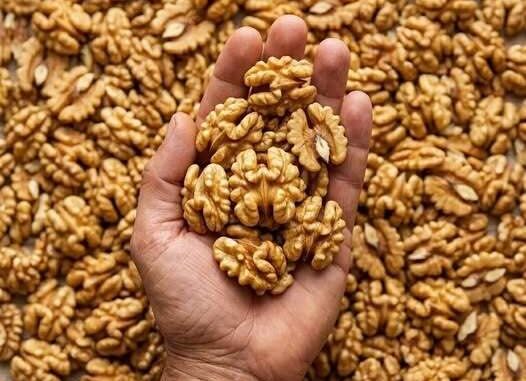
Walnuts are one of those foods that have earned their reputation as a healthy choice for good reason. They provide plant-based omega-3 fatty acids, fiber, protein, vitamins, minerals, and a variety of antioxidant compounds.
Eating a modest serving regularly can be a useful part of an overall healthy diet. However, walnuts aren’t a miracle food, and claims that they can dramatically transform the body or prevent disease on their own go beyond what the evidence supports.
So what can you realistically expect from making walnuts a daily habit?
1. Your Heart May Benefit
One of the strongest areas of research surrounding walnuts involves cardiovascular health.
Walnuts are particularly rich in alpha-linolenic acid (ALA), a plant-based omega-3 fatty acid. They also contain unsaturated fats, fiber, and other compounds that can contribute to a heart-friendly diet.
Research suggests that regularly replacing foods higher in saturated fat with walnuts or other nuts can help improve certain cholesterol measurements, including LDL cholesterol.
That doesn’t mean eating walnuts automatically prevents heart disease. Your overall eating pattern, physical activity, blood pressure, cholesterol levels, smoking status, sleep, and other factors matter much more than any single food.
Still, replacing cookies, chips, or other highly processed snacks with a small serving of walnuts can be a simple nutritional upgrade.
2. Walnuts Provide Antioxidant Compounds
Walnuts contain polyphenols, vitamin E compounds, and other substances with antioxidant properties.
These compounds help the body manage oxidative processes that naturally occur in cells.
Walnuts also contain plant compounds that have been studied for their potential anti-inflammatory effects.
However, it’s important not to interpret this as proof that walnuts “detox” the body or prevent aging. The human body already has sophisticated systems for handling oxidative stress, and nutrition works through many interconnected factors.
Think of walnuts as one nutrient-dense food that contributes to an overall healthy dietary pattern—not as an antioxidant cure-all.
3. They Can Support a Healthy Gut
Walnuts contain dietary fiber and polyphenols that interact with the microorganisms living in the digestive tract.
Some research suggests that regular walnut consumption may influence the composition and activity of the gut microbiome.
That’s potentially important because gut bacteria interact with digestion, metabolism, and immune function.
But calling walnuts a “probiotic” would be inaccurate. Probiotics are live microorganisms, while walnuts contain substances that may help support certain microbes.
A more accurate description is that walnuts can be part of a diet that provides prebiotic-like substrates and fiber for gut microorganisms.
4. They Provide Nutrients Important for the Brain
The brain needs a steady supply of nutrients, and walnuts provide several that contribute to normal neurological function.
Their ALA, polyphenols, vitamin E, magnesium, and other nutrients make them a valuable addition to a balanced diet.
Some observational and clinical research has investigated associations between nut consumption and cognitive health.
However, it’s too strong to say that eating walnuts will make you smarter, dramatically improve memory, or prevent dementia.
Brain health depends on a much bigger picture that includes cardiovascular health, sleep, exercise, social activity, overall nutrition, and other factors.
5. They May Help With Blood-Sugar Control
Walnuts contain relatively little carbohydrate and provide fat, fiber, and protein.
Adding them to a meal can make that meal more filling and may influence how quickly carbohydrates are digested and absorbed.
Research has also examined whether regular nut consumption is associated with better metabolic health.
But walnuts aren’t a treatment for diabetes or insulin resistance.
If you have diabetes or take medication that affects blood sugar, dietary changes should be considered alongside your existing treatment plan rather than used as a replacement for medical care.
How Many Walnuts Should You Eat?
A commonly used serving of nuts is about 1 ounce (28 grams).
For walnuts, that’s roughly a small handful, although the exact number varies depending on the size of the nuts.
You don’t necessarily need to eat them every day to benefit from them. What matters most is how they fit into your overall diet.
Because walnuts are calorie-dense, eating very large amounts can add substantial calories even though they’re nutritious.
A practical approach is to use them in place of less nutritious snacks rather than simply adding unlimited walnuts on top of everything else you already eat.
Easy Ways to Eat More Walnuts
Add Them to Breakfast
Sprinkle chopped walnuts over oatmeal, plain yogurt, cereal, or fruit.
Make Salads More Satisfying
Walnuts pair particularly well with leafy greens, berries, apples, roasted vegetables, and cheese.
Use Them as a Snack
A small handful of unsalted walnuts can be a convenient alternative to highly processed snack foods.
Add Them to Meals
Chopped walnuts can provide texture and flavor in grain bowls, vegetable dishes, homemade breads, and other recipes.
Choose unsalted walnuts when possible if you’re trying to keep sodium intake lower.
Who Should Be Careful?
For most people, walnuts are a nutritious food. But there are important exceptions.
People with a tree-nut allergy should avoid walnuts and follow the advice of their healthcare professional.
Some people may also experience digestive discomfort when they suddenly increase their intake of nuts and other high-fiber foods. Starting with a smaller portion can help.
And because walnuts are energy-dense, portion size can matter for people who are monitoring their calorie intake.
If you have a medical condition requiring a specific diet, ask your healthcare professional or registered dietitian how walnuts fit into it.
The Bottom Line
Eating walnuts regularly can be a simple way to add healthy unsaturated fats, plant-based omega-3 ALA, fiber, protein, vitamins, minerals, and beneficial plant compounds to your diet.
Research is particularly encouraging regarding cardiovascular health, while studies are also exploring possible effects on the gut microbiome, metabolic health, and cognitive function.
But there is no single food capable of transforming your health by itself.
The biggest benefit comes when walnuts replace less nutritious foods and become part of an overall pattern rich in vegetables, fruits, whole grains, legumes, and other minimally processed foods.
So yes, a small handful of walnuts can be a smart daily habit—but think of them as one useful piece of a healthy diet, not a miracle cure.
Leave a Reply