
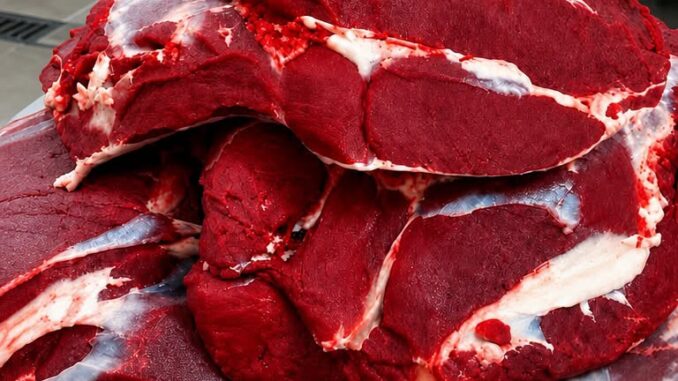
When navigating the meat aisle of a local supermarket, consumers naturally flock to cuts of beef displaying a vibrant cherry-red hue. For generations, shoppers have treated this bright color as the ultimate indicator of freshness and quality. However, reliance on visual appearance alone can be deceiving. The color of packaged meat is heavily influenced by biological reactions and advanced packaging technologies designed to manage aesthetic appeal rather than reflect accurate freshness or safety.
Understanding the mechanics of meat preservation, supermarket presentation strategies, and home hygiene protocols allows consumers to make safer, more informed purchasing decisions.
Key Takeaways
-
Color Does Not Equal Freshness: The bright red color of beef is caused by exposure to oxygen or specialized gases, not necessarily recent butchering.
-
Packaging Integrity Matters: Swollen, torn, or leaking packages often indicate microbial contamination or gas production from spoilage bacteria.
-
Sensory Assessment at Home: Odor and texture—such as a sour smell or a sticky, slimy feel—are far more reliable spoilage indicators than visual appearance.
-
Storage Protocols: Storing raw meat on the bottom shelf of the refrigerator prevents cross-contamination from dripping juices onto ready-to-eat foods.
The Biology of Meat Color: Myoglobin and Oxygenation
The natural color of fresh meat undergoes distinct biological transformations depending on its environment and exposure to gases.
+-----------------------------------------------------------------------------------+
|                        Chemical States of Meat Muscle Pigment                     |
+-----------------------------------------------------------------------------------+
|  STATE                 |  GAS EXPOSURE              |  APPEARANCE                 |
+------------------------+----------------------------+-----------------------------+
|  Deoxymyoglobin        |  No Oxygen (Vacuum Sealed) |  Deep purple / brownish-red |
|                        |                            |                             |
|  Oxymyoglobin          |  Exposed to Oxygen         |  Bright cherry-red          |
|                        |                            |                             |
|  Metmyoglobin          |  Prolonged Oxidation       |  Dull brown / grayish-red   |
+------------------------+----------------------------+-----------------------------+
When beef is initially butchered, muscle tissue contains myoglobin, a iron- and oxygen-binding protein. In the absence of oxygen—such as immediately after slaughter or inside a vacuum-sealed container—myoglobin displays a deep purplish-red tone.
Once exposed to ambient air, myoglobin reacts with oxygen to form oxymyoglobin, creating the familiar cherry-red shade favored by consumers. With prolonged exposure to light and oxygen, oxymyoglobin eventually breaks down into metmyoglobin, causing the meat to turn brown.
Packaging Innovations and Modified Atmosphere Packaging (MAP)
Meat processors utilize Modified Atmosphere Packaging (MAP) to control the rate at which meat changes color and extends its shelf life:
                       +-----------------------------------+
                       |    Modified Atmosphere Packaging  |
                       +-----------------+-----------------+
                                         |
               +-------------------------+-------------------------+
               |                                                   |
               v                                                   v
+------------------------------+                  +------------------------------+
|     High-Oxygen Systems      |                  |   Low-Oxygen / Barrier Systems   |
+------------------------------+                  +------------------------------+
| * Blend of Oxygen & Nitrogen |                  | * Nitrogen & Carbon Dioxide  |
| * Promotes oxymyoglobin      |                  | * Inhibits aerobic bacteria  |
| * Maintains bright red color |                  | * Preserves extended shelf   |
|   for extended display       |                  |   life in dark-colored state |
+--------------+---------------+                  +--------------+---------------+
               |                                                   |
               +-------------------------+-------------------------+
                                         |
                                         v
                       +-----------------------------------+
                       |    Supermarket Display Case       |
                       |    (Optimized Color Lighting)     |
                       +-----------------------------------+
-
High-Oxygen Packaging: Blends high concentrations of oxygen with inert gases like nitrogen or carbon dioxide to force the meat to bloom into a bright red color while suppressing anaerobic bacterial growth.
-
Vacuum Packaging: Removes oxygen entirely to maximize shelf life. Meat inside vacuum sealed bags retains a dark, purplish-red hue until opened and exposed to air at home.
-
Display Lighting: Supermarket meat cases often feature specialized lighting tuned to emphasize reddish tones, preserving an attractive appearance even as meat ages underneath.
Smarter Meat Selection Strategies
Evaluating product safety in the store requires looking beyond visual color and assessing verifiable safety markers.
+-----------------------------------------------------------------------------------+
|                             In-Store Inspection Guide                             |
+-----------------------------------------------------------------------------------+
|  FEATURE               |  RECOMMENDED ACTION                                      |
+------------------------+----------------------------------------------------------+
|  Expiration Dates      |  Prioritize "Use-By" dates for safety; use "Sell-By"     |
|                        |  dates as a retail rotation guideline.                   |
|                        |                                                          |
|  Package Seal          |  Reject packages with tears, leaks, or loose plastic wrap|
|                        |  that permits outside air entry.                         |
|                        |                                                          |
|  Package Swelling      |  Avoid bloated packs; expansion indicates metabolic gas  |
|                        |  byproducts from multiplying spoilage bacteria.          |
+------------------------+----------------------------------------------------------+
Home Storage and Handling Guidelines
Once meat leaves the supermarket, maintaining cold chain integrity and strict kitchen hygiene is critical to preventing foodborne illness.
1. Temperature Control and Transportation
-
Maintain raw meat below 40°F (4°C) during transport.
-
Use insulated bags with cold packs if travel times exceed 30 minutes from store to kitchen.
2. Safe Refrigerator Storage
-
Lowest Shelf Placement: Store raw poultry, beef, and pork on the lowest shelf of the refrigerator. Place packages on a rimmed tray to contain stray juices.
-
Cross-Contamination Prevention: Prevent raw juices from dripping onto ready-to-eat items like fresh produce, cooked leftovers, or dairy products.
                    +------------------------------------+
                    |    Home Hygiene & Quality Checks   |
                    +-----------------+------------------+
                                      |
         +--------------------+-------+-------+--------------------+
         |                    |               |                    |
         v                    v               v                    v
+-----------------+  +-----------------+  +---------------+  +-----------------+
|   Odor Check    |  |  Texture Check  |  | Discoloration |  | Cooking Temp    |
|                 |  |                 |  | Check         |  | Check           |
| * Discard if    |  | * Discard if    |  | * Minor center|  | * Verify internal|
|   sour, acidic, |  |   slimy, sticky,|  |   browning is |  |   temp using a  |
|   or pungent    |  |   or tacky      |  |   normal      |  |   meat thermometer|
+-----------------+  +-----------------+  +---------------+  +-----------------+
3. Assessing Spoilage at Home
-
Smell: Fresh raw meat should have a neutral, mild aroma. Sharp, sour, or ammonia-like odors indicate active microbial spoilage.
-
Feel: Meat should be damp and firm to the touch. A slippery, tacky, or sticky film on the surface signals significant bacterial activity.
-
Internal Temperature: Always cook meats to safe internal temperatures verified with a digital food thermometer (e.g., 145°F for whole cuts of beef/pork, 160°F for ground meats, and 165°F for poultry).
Leave a Reply