

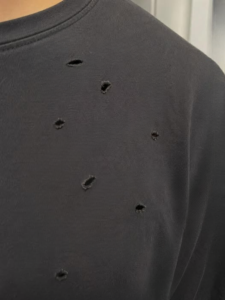
Have you ever pulled a favorite shirt out of the laundry only to discover a small hole that wasn’t there before?
It’s a frustrating experience that many people face. Tiny holes, worn spots, and weakened fabric often seem to appear without warning, leaving homeowners wondering whether the problem is poor clothing quality, an aging washing machine, or something else entirely.
In reality, these issues are often caused by everyday laundry habits that gradually wear down fabric over time.
The good news? A few simple changes can help protect your clothes and extend their lifespan.
Why Small Holes Appear in Clothing
Tiny holes in shirts and lightweight fabrics rarely happen overnight.
Instead, they usually develop slowly as fibers experience repeated friction, stretching, and stress during washing and drying.
Common areas where damage appears include:
- Near the waistline
- Around seams
- Along hems
- On lightweight cotton fabrics
- On frequently worn garments
Because the damage builds gradually, it can be difficult to identify the exact cause.
The Impact of Friction
One of the biggest contributors to fabric wear is friction.
During a wash cycle, clothing constantly rubs against other garments, zippers, buttons, and the washing machine itself.
Over time, this repeated contact weakens fibers and can eventually create small tears or holes.
Thin fabrics such as cotton T-shirts, sleepwear, workout clothes, and knit garments are especially vulnerable.
Zippers and Buttons Can Be Tough on Fabric
Many people don’t realize how much damage metal hardware can cause inside the washer.
Unzipped jackets, jeans, and hoodies can snag delicate fabrics during the wash cycle.
Similarly, metal buttons, snaps, and decorative embellishments can scrape against softer materials.
This constant rubbing may not be noticeable immediately, but over dozens of wash cycles, the effects can become visible.
Overloading the Washing Machine
Trying to fit too much laundry into a single load can create additional stress on clothing.
When the drum is packed tightly:
- Clothes have less room to move freely
- Fabrics rub against each other more aggressively
- Items may become twisted or stretched
- Cleaning performance may decrease
A washer that is too full often creates more wear and tear than a properly balanced load.
Heavy Fabrics vs. Lightweight Fabrics
Another common mistake is washing heavy and delicate items together.
Large items such as:
- Jeans
- Towels
- Sweatshirts
- Heavy jackets
can create significant friction against lighter garments.
Separating heavier items from delicate clothing can help reduce unnecessary fabric stress.
The Role of the Dryer
Washing isn’t always the only source of damage.
High dryer temperatures can gradually weaken fabric fibers, especially in lightweight clothing.
Once fibers become fragile, even minor friction can lead to visible wear.
Repeated exposure to excessive heat may also cause fabrics to lose softness, elasticity, and durability over time.
Simple Ways to Protect Your Clothes
Fortunately, a few easy habits can make a noticeable difference.
Turn Clothing Inside Out
Washing garments inside out helps protect the visible outer surface from direct friction.
This is especially helpful for:
- T-shirts
- Athletic wear
- Printed clothing
- Delicate fabrics
Zip Up Zippers
Before starting a load, close all zippers.
This reduces the chance of snagging and scraping during washing and drying.
Use Mesh Laundry Bags
Mesh bags provide extra protection for delicate items.
They can be useful for:
- Lightweight shirts
- Undergarments
- Activewear
- Knit fabrics
Avoid Overloading
Give clothing enough space to move freely.
A moderately filled washer is generally gentler on fabrics than an overloaded one.
Separate Heavy and Delicate Items
Washing similar fabrics together helps reduce friction and prolong garment life.
Choose Lower Heat Settings
Using lower dryer temperatures can help preserve fabric strength and reduce long-term wear.
For delicate items, air drying may be an even gentler option.
Check Your Washer for Wear and Tear
Occasionally, the washing machine itself may contribute to clothing damage.
Inspect the drum for:
- Rough surfaces
- Sharp edges
- Cracks
- Damaged components
Even a small defect can repeatedly catch fabric and cause unexpected wear.
Why These Problems Often Go Unnoticed
What makes clothing damage so frustrating is that it develops gradually.
Most people don’t witness the damage happening. Instead, they discover a small hole weeks or months later and assume it appeared suddenly.
In reality, fabric wear is usually the result of repeated stress over many wash cycles.
Understanding the causes can make it much easier to prevent future problems.
Final Thoughts
Small holes and worn spots in clothing are often linked to everyday laundry habits rather than poor-quality garments.
Friction, overloaded machines, unzipped clothing, heavy fabrics, and excessive dryer heat can all contribute to premature wear.
Fortunately, simple adjustments—such as sorting loads carefully, turning clothes inside out, using mesh bags, and choosing gentler settings—can help protect your wardrobe.
A few small changes in the laundry room today may help keep your favorite clothes looking their best for years to come.
Leave a Reply