
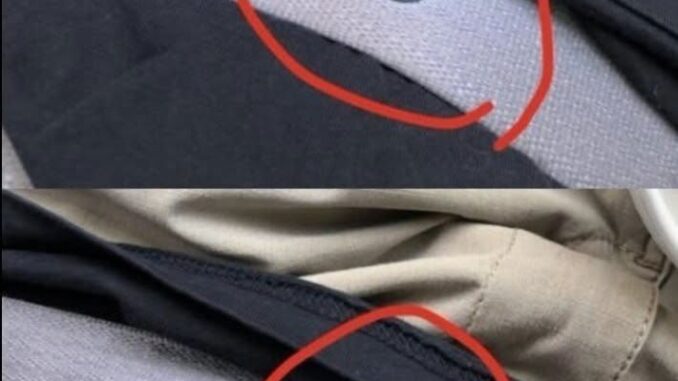
If you’ve ever looked closely at a car’s seat belt, you may have noticed a small plastic piece that looks like a button.
It seems insignificant, but that tiny component has inspired plenty of confusing claims online. Some posts suggest it is a hidden emergency feature. Others claim it controls the belt’s tension or can somehow make a seat belt safer during a crash.
The reality is much simpler.
That little plastic piece is usually a belt stop. Its primary purpose is to keep the seat-belt latch plate from sliding too far down the webbing when the belt isn’t being worn.
And if you’re talking about the larger mechanism near your shoulder, that’s something different: on vehicles equipped with one, it may be an adjustable upper seat-belt anchor, which allows the belt’s position to be adjusted for a better fit.
Understanding the difference is important because a seat belt is a safety system—not something you should experiment with based on an internet tip.
What Is the Little Plastic “Button” on the Belt?
Look at the actual fabric webbing of the seat belt and you’ll often find a small plastic piece attached to it.
Despite its button-like appearance, it generally isn’t a button at all.
It’s commonly called a belt stop, webbing stop, or comfort stop.
Its job is straightforward: it prevents the metal latch plate from sliding too far down the belt when the seat belt isn’t being used.
Without the stop, the latch plate could slide toward the floor. The small plastic piece keeps it in a more convenient position, making it easier to grab the next time you buckle up.
It doesn’t control the seat belt’s tension.
It doesn’t release the belt during an emergency.
It doesn’t activate an additional safety mode.
And pressing it isn’t a secret way to change how the restraint behaves.
Its purpose is mainly positioning and convenience.
What About the Larger “Button” Near Your Shoulder?
This is where some online explanations become confusing.
Many vehicles have an adjustable seat-belt anchor mounted on the pillar beside the occupant. Depending on the vehicle, it may have a button or release mechanism that allows the anchor to move up or down.
This adjustment is intended to help the shoulder belt fit the occupant properly.
Generally, the shoulder portion should cross the chest and shoulder, rather than running across the neck or face.
The lap portion should sit low across the hips and upper thighs, rather than high across the abdomen.
The exact adjustment procedure varies between vehicles, so if you’re unsure how yours works, check the owner’s manual.
After making an adjustment, make sure the anchor is securely locked into position.
Why Proper Seat-Belt Position Matters
A seat belt isn’t simply a strap designed to keep you inside the car.
Modern restraint systems can include multiple components working together, including:
- Seat-belt webbing
- Retractors
- Latch plates
- Buckles
- Anchors
- Pretensioners
- Load-limiters
- Crash-sensing systems
Depending on the vehicle, these components can work alongside airbags and other occupant-protection systems.
That’s why seemingly harmless modifications can be a bad idea.
Don’t deliberately create extra slack in the belt.
Don’t route the shoulder belt behind your back.
Don’t put it underneath your arm.
And don’t attach improvised clips, clamps, or other devices intended to change how the restraint fits unless the vehicle manufacturer specifically approves the device and its use.
A comfortable seat belt should still be a properly positioned seat belt.
A Few Seat-Belt Myths Worth Ignoring
Myth: The little plastic button is an emergency release.
Usually, no.
The normal buckle-release button is the mechanism designed to release the buckled belt.
The small plastic stop on the webbing generally has a much simpler job: keeping the latch plate from sliding too far down the belt.
Myth: You can make a seat belt safer by loosening it.
No.
A seat belt is designed to restrain the occupant appropriately. Deliberately introducing unnecessary slack can change how the restraint performs.
If the belt feels uncomfortable, adjust the seat, the approved belt-height mechanism, or other manufacturer-provided settings instead.
Myth: You don’t need a seat belt if your vehicle has airbags.
Airbags don’t replace seat belts.
They’re part of a broader occupant-protection system, and occupants should use the seat belts as intended.
Myth: Putting the shoulder belt under your arm is harmless.
It isn’t a recommended way to wear a three-point restraint.
If the shoulder belt doesn’t fit comfortably across your chest and shoulder, investigate the available seat and belt adjustments rather than changing the belt’s routing.
What If the Little Plastic Stop Breaks?
Don’t improvise.
You might be tempted to replace it with a piece of plastic, a clamp, a zip tie, or another household object.
That’s not a good solution.
Seat-belt components are part of a safety system, and improvised repairs can damage the webbing or interfere with the belt.
If the stop is broken or missing, consult the vehicle manufacturer, dealer, or a qualified automotive repair professional about the correct replacement.
Most importantly, never cut, puncture, sew, melt, or otherwise modify the seat-belt webbing yourself.
Give Your Seat Belt a Quick Check
You don’t need to be a mechanic to notice obvious problems.
Before driving, make sure:
- The belt is buckled correctly.
- The lap portion sits low across your hips.
- The shoulder portion crosses your chest and shoulder.
- The webbing isn’t twisted.
- The buckle latches normally.
- The belt retracts normally.
- There is no obvious cutting, severe fraying, melting, or other damage.
If something looks damaged or the buckle doesn’t operate normally, have it inspected rather than attempting a DIY repair.
After a significant collision, the restraint system may also require inspection or replacement even if everything looks normal from the outside. Follow the vehicle manufacturer’s guidance.
What About Children?
Children require special attention because an adult seat belt doesn’t automatically fit every child correctly.
Depending on the child’s age, size, development, and applicable laws, the appropriate restraint may be a rear-facing car seat, forward-facing harness, booster seat, or properly fitting vehicle seat belt.
A booster seat can help position a vehicle’s lap-and-shoulder belt correctly on a child who has outgrown a harness but isn’t yet large enough for the adult belt to fit properly.
Never solve an uncomfortable shoulder belt by placing it behind the child’s back or underneath the arm.
Use the appropriate child restraint and follow both the vehicle owner’s manual and the child-restraint manufacturer’s instructions.
The Bottom Line
That mysterious little “button” on your seat belt probably isn’t mysterious at all.
If it’s attached directly to the belt webbing, it’s generally a small stop that keeps the latch plate from sliding too far down.
If you’re looking at a larger mechanism near your shoulder, it may be an adjustable upper belt anchor designed to help position the shoulder belt correctly.
Neither is a secret crash trick.
And that’s actually good news.
The most important thing isn’t discovering a hidden feature—it’s making sure the entire restraint system is used exactly as designed.
Buckle up. Keep the belt properly positioned. Don’t modify the webbing. And when you’re unsure about a particular component, check your vehicle’s owner’s manual rather than trusting a viral post.
That tiny “button” may look interesting, but the real safety feature is the entire seat-belt system working together as designed. ❤️
Leave a Reply