
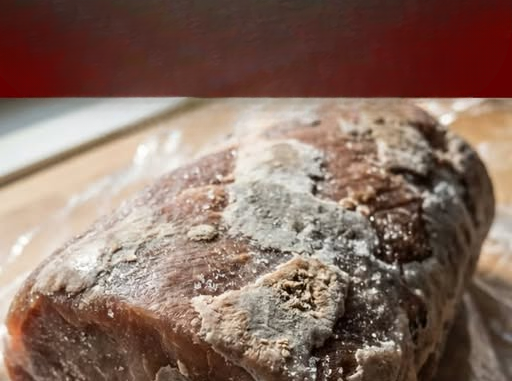
Finding forgotten food in the freezer is something most of us have experienced. Maybe it is a pack of chicken pushed to the back, a bag of vegetables covered in ice crystals, or a container of leftovers you barely remember making. The food may look dry, pale, frosty, or a little strange, which naturally raises the question: is freezer-burnt food still safe to eat?
In most cases, the answer is yes. Freezer burn usually affects the quality of food, not its safety. That means the food may not taste as fresh, juicy, or pleasant as it once did, but freezer burn itself does not automatically make it unsafe.
Still, there are a few important things to understand before deciding whether to cook it, trim it, or throw it away.
What Is Freezer Burn?
Freezer burn happens when frozen food is exposed to air. This usually occurs when food is not wrapped tightly, when a freezer bag is not fully sealed, or when food has been stored for too long.
When air reaches the surface of frozen food, moisture begins to leave the food and turn into ice crystals. This process dries out certain areas, which is why freezer-burnt meat may look gray, white, or leathery. Frozen fruits and vegetables may look shriveled, icy, or faded.
Although freezer burn can look unpleasant, it is not the same as food spoilage. It is mainly a sign that the food has lost moisture and freshness while frozen.
Is Freezer-Burnt Food Dangerous?
Freezer-burnt food is generally not dangerous as long as it has been stored properly and kept frozen the entire time. A freezer that stays at about 0°F or -18°C helps stop the growth of bacteria. Because of that, freezer burn itself does not create harmful bacteria.
The bigger issue is taste and texture. Once food loses moisture in the freezer, it can become dry, tough, bland, or grainy after cooking. Meat may turn chewy. Vegetables may lose their fresh flavor. Fruit may become watery or soft when thawed.
So while freezer-burnt food may be safe, it may not be very enjoyable.
How to Tell the Difference Between Freezer Burn and Spoiled Food
This is the most important part. Freezer burn and spoilage are not the same thing.
Freezer burn usually causes dry patches, ice crystals, pale spots, or tough texture. Spoiled food may have a bad smell, slimy texture, mold, or unusual discoloration after thawing.
If the food smells sour, rotten, or strange, do not eat it. If it feels sticky, slippery, or slimy, it is better to throw it away. If you see mold or anything that looks unusual beyond normal freezer burn, do not take the risk.
A simple rule is this: freezer burn looks dry, while spoiled food often smells bad or feels wrong.
Can You Still Cook Freezer-Burnt Food?
Yes, you can cook freezer-burnt food if it passes the smell, texture, and safety checks. However, it is best to use it in recipes where moisture and seasoning can help improve the final result.
For example, freezer-burnt chicken may not be ideal for grilling because the dry areas can become even tougher. But it may work well in soup, stew, casserole, chili, curry, or slow-cooked meals.
If only a small part of the food is freezer burnt, you can trim away the dry spots before cooking. This can improve the texture and flavor.
Best Ways to Use Freezer-Burnt Food
Freezer-burnt food works best in dishes that include sauce, broth, or moisture. Good options include:
Soups, stews, casseroles, pasta sauces, slow cooker meals, stir-fries, chili, and baked dishes.
These meals help cover dryness and make the food more enjoyable. Stronger seasonings, marinades, and sauces can also help improve flavor.
For fruits, freezer-burnt pieces may still work in smoothies, sauces, baked desserts, or compotes. For vegetables, soups and casseroles are usually better than serving them plain.
When Should You Throw Freezer-Burnt Food Away?
Even though freezer burn is usually safe, there are times when throwing the food away is the better choice.
You should discard freezer-burnt food if it has a bad smell after thawing, feels slimy, shows mold, has been stored for an extremely long time, or looks severely dried out all over.
Food can remain safe in the freezer for a long time if stored correctly, but quality still gets worse over time. Freezing slows things down, but it does not keep food perfect forever.
If the food is so dry, icy, or damaged that it no longer seems worth cooking, it is okay to let it go.
How to Prevent Freezer Burn
The best way to avoid freezer burn is to protect food from air. Air exposure is the main reason frozen food dries out.
Use freezer-safe bags, airtight containers, or vacuum-sealed packaging when possible. If using freezer bags, press out as much air as you can before sealing. For meat, wrapping it tightly in plastic wrap before placing it in a freezer bag can add extra protection.
It also helps to freeze food in smaller portions. Smaller portions freeze faster and are easier to use later. Labeling food with the date is another simple habit that makes a big difference. This helps you use older items first instead of forgetting them for months.
Keeping your freezer organized can also prevent food from getting buried and left too long.
Final Thoughts
Freezer-burnt food is usually safe to eat if it has been stored properly, kept frozen, and does not show signs of spoilage. The main problem is not safety, but quality.
Dry spots, ice crystals, and pale patches may look unappetizing, but they do not automatically mean the food is bad. However, a bad smell, slimy texture, mold, or unusual appearance after thawing are signs that the food should not be eaten.
When in doubt, use your senses. Check how it looks, smells, and feels. If everything seems normal aside from dryness or ice crystals, the food can often still be cooked, especially in soups, stews, casseroles, or other moist dishes.
Freezer burn is a reminder that freezing helps preserve food, but it does not keep it perfect forever. Good packaging, clear labeling, and proper storage can help your frozen food stay fresher for longer.
Leave a Reply