

Bananas are one of the world’s most popular fruits. They’re convenient, affordable, naturally sweet, and packed with nutrients that make them a favorite choice for breakfast, snacks, smoothies, and post-workout fuel.
But not all bananas are exactly the same.
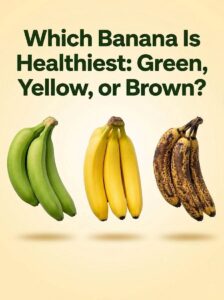
The color of a banana can reveal a lot about its taste, texture, and nutritional profile. A green banana, a bright yellow banana, and a brown-spotted banana each offer slightly different benefits, making them useful for different preferences and dietary goals.
The good news? There’s no “wrong” stage of ripeness. Each simply offers something different.
How Bananas Change as They Ripen
As bananas mature, natural enzymes begin breaking down complex starches inside the fruit and converting them into simple sugars.
This process affects several characteristics, including:
- Sweetness
- Texture
- Digestibility
- Energy release
- Flavor
Green bananas contain more starch and less sugar. Yellow bananas provide a balance between the two. Brown-spotted bananas are the sweetest and softest because much of their starch has already converted into natural sugars.
These changes are a normal part of the ripening process and help explain why bananas taste so different from one stage to the next.
Green Bananas: Firm and Less Sweet
Green bananas are often overlooked because they’re firmer and not as sweet as ripe bananas.
However, they contain higher levels of resistant starch, a type of carbohydrate that behaves similarly to dietary fiber.
Because resistant starch is digested more slowly, green bananas may help:
- Support digestive health
- Promote feelings of fullness
- Provide steady energy
- Slow digestion compared to fully ripe bananas
Their firmer texture also makes them popular in certain cooked dishes and recipes around the world.
People looking for a less sweet option may prefer bananas that still have a slight green tint.
Yellow Bananas: The Everyday Favorite
When most people think of a perfectly ripe banana, they picture a bright yellow peel.
At this stage, some of the starch has converted into natural sugars, creating the familiar sweetness many people enjoy.
Yellow bananas offer:
- A balanced flavor
- Easy digestion
- Natural carbohydrates for energy
- Fiber, potassium, and vitamin B6
This stage is often considered the most versatile because the banana is sweet without being overly soft.
It’s one reason athletes and active individuals frequently choose yellow bananas before or after exercise.
Brown-Spotted Bananas: Naturally Sweet and Soft
Many people assume bananas should be thrown away once brown spots begin appearing on the peel.
In reality, these bananas are still perfectly edible and often ideal for certain uses.
As ripening continues:
- More starch converts into sugar
- The texture becomes softer
- The flavor becomes sweeter
- Antioxidant activity naturally increases
Brown-spotted bananas are especially popular for:
- Smoothies
- Banana bread
- Muffins
- Pancakes
- Healthy desserts
Because they’re naturally sweet, they can often reduce the need for added sugar in recipes.
Many people also find them easier to chew and digest due to their softer texture.
Does Ripeness Affect Blood Sugar?
Since bananas become sweeter as they ripen, many people wonder whether different stages affect blood sugar differently.
Generally speaking, greener bananas contain more resistant starch and less sugar, while fully ripe bananas contain more readily available natural sugars.
For most healthy individuals, bananas can be part of a balanced diet regardless of ripeness.
Some people choose to pair bananas with foods such as:
- Nut butter
- Yogurt
- Nuts
- Seeds
These combinations can create a more satisfying snack while adding protein and healthy fats.
Anyone with specific dietary or medical concerns should follow guidance from a healthcare professional.
Which Banana Is Best?
The answer depends entirely on your personal preferences and goals.
You might prefer green bananas if you enjoy:
- Firmer texture
- Milder sweetness
- Slower digestion
You might prefer yellow bananas if you want:
- Balanced sweetness
- Everyday convenience
- Versatile snacking
You might prefer brown-spotted bananas if you enjoy:
- Maximum sweetness
- Softer texture
- Baking and smoothies
Rather than viewing one stage as better than another, it’s more helpful to think of each ripeness level as serving a different purpose.
A Different Way to Look at Bananas
One of the most interesting things about bananas is how dramatically they change over time.
The same fruit can offer different flavors, textures, and culinary uses depending on when you choose to eat it.
A slightly green banana might be perfect for a morning snack. A bright yellow one could be ideal before a workout. A brown-spotted banana may be exactly what you need for a smoothie or homemade baked treat.
Final Thoughts
Bananas are much more versatile than many people realize.
As they ripen, their starches, sugars, texture, and flavor naturally evolve, creating different benefits at every stage. Whether you prefer them green, yellow, or heavily spotted, each version has something valuable to offer.
The next time you’re deciding which banana to grab, take a closer look at the peel.
You may discover that the “perfect” banana isn’t always the brightest yellow one—it simply depends on how you plan to enjoy it.
And sometimes, the banana people are quickest to overlook turns out to be the most useful one of all.
Leave a Reply