
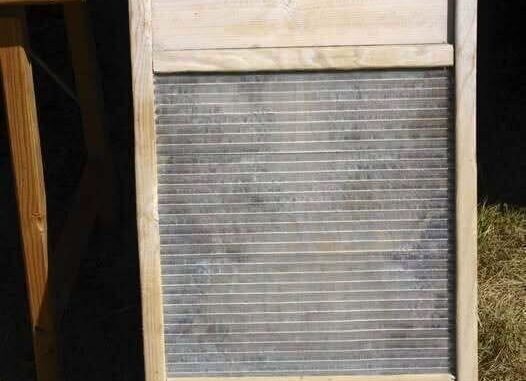
A stroll through a weekend yard sale can sometimes uncover more than just forgotten household items. Hidden among old furniture, antique dishes, and weathered collectibles, you may occasionally spot a curious piece of equipment that seems completely out of place in today’s world. One such object is the vintage laundry wringer—a device that once played a central role in homes across America and many other parts of the world.
At first glance, a laundry wringer may look like an unusual machine with metal rollers, a hand crank, and a sturdy frame. To younger generations, it can seem difficult to imagine exactly how it was used. Yet for decades, this simple invention transformed one of the most labor-intensive household chores and became an essential part of family life.
Today, these vintage tools serve as reminders of how dramatically daily routines have changed over the years.
A Time Before Modern Washing Machines
Long before automatic washers and dryers became standard household appliances, laundry day required significant time and physical effort. Clothes could not simply be tossed into a machine and forgotten.
Families often spent an entire day washing garments, bed linens, towels, and work clothes. Water had to be heated manually, soap prepared, and large tubs filled. Every item was scrubbed by hand to remove dirt and stains.
Once washing was complete, the next challenge was removing excess water.
This is where the laundry wringer became invaluable.
How a Laundry Wringer Worked
The design was surprisingly simple yet highly effective.
A typical wringer featured two rollers positioned closely together. After washing clothing in a tub, the user would feed each item through the rollers using a hand crank or lever.
As the fabric passed between the rollers, excess water was squeezed out and collected below.
This process offered several advantages:
- Reduced drying time
- Removed more water than hand squeezing alone
- Saved physical effort
- Improved efficiency on laundry day
For households washing large amounts of clothing each week, the wringer represented a major improvement over older methods.
An Important Household Innovation
While modern appliances make laundry largely automatic, the laundry wringer was considered an innovative technology in its time.
By the late 19th and early 20th centuries, wringers became common fixtures in homes, farms, and small communities. Some were attached to large wash tubs, while others were integrated into early washing machines.
Manufacturers continuously improved designs, making them sturdier, easier to operate, and more reliable.
For many families, purchasing a wringer was viewed as a worthwhile investment that reduced household labor and made weekly chores more manageable.
More Than Just a Laundry Tool
The importance of the wringer extended beyond its practical purpose.
Laundry day often brought neighbors and family members together. In many communities, washing clothes was not only a household task but also a social activity.
Women frequently gathered to help one another with large loads of laundry, exchange news, share advice, and build friendships. Children often assisted by carrying water, hanging clothes, or helping sort garments.
As a result, the laundry wringer became part of a larger tradition centered around cooperation and community.
Its presence evokes memories of a time when daily life moved at a slower pace and many tasks required collective effort.
Challenges of Using a Wringer
Although the device made laundry easier, it was not without risks.
The rollers were powerful enough to pull fabric through with considerable force. Users had to remain attentive to avoid getting fingers, sleeves, or loose clothing caught in the mechanism.
Many families taught children to stay clear of the wringer while it was operating.
Despite these concerns, the tool remained popular because its benefits far outweighed its limitations during an era without modern conveniences.
The Arrival of Modern Appliances
As electricity became more common and technology advanced, automatic washing machines gradually replaced manual laundry equipment.
By the mid-20th century, many households transitioned to electric washers that could wash, rinse, and spin clothes with minimal effort.
Eventually, fully automatic models transformed laundry into a task that required only a few minutes of preparation.
With these innovations, laundry wringers slowly disappeared from everyday use.
Many were discarded, stored away in barns and basements, or passed down through generations as family keepsakes.
Why Collectors Value Them Today
Although no longer essential household tools, vintage laundry wringers have become popular among collectors and antique enthusiasts.
Their appeal comes from several factors:
Historical Significance
Each wringer represents a period when household work depended on physical effort and practical ingenuity.
Craftsmanship
Many older models were built from cast iron, hardwood, and durable metal components designed to last for decades.
Decorative Appeal
Restored wringers are often displayed in rustic homes, museums, historical exhibits, and vintage-themed spaces.
Connection to Family History
For some people, discovering a wringer brings back memories of parents, grandparents, or great-grandparents who used similar equipment.
Preserving a Piece of Everyday Life
Objects like laundry wringers remind us that history is not only found in major events or famous landmarks. It also exists in the tools ordinary people used every day.
These items tell stories about resilience, resourcefulness, and the routines that shaped generations of families.
While today’s appliances complete laundry tasks with remarkable speed and convenience, they also highlight just how much effort previous generations invested in maintaining a household.
Final Thoughts
Finding a vintage laundry wringer at a yard sale may seem like stumbling upon an outdated machine from another era, but its story is far more meaningful than its appearance suggests.
It represents a time when washing clothes required patience, determination, and hands-on work. It reflects an age when families relied on simple mechanical solutions to make difficult tasks easier and when neighbors often worked together to accomplish everyday chores.
Though modern technology has transformed laundry forever, these historic tools continue to offer a valuable glimpse into the past. Their worn handles, sturdy rollers, and enduring construction serve as reminders of the ingenuity and hard work that helped shape daily life for generations.
What may look like an old piece of equipment today was once one of the most important tools in the home—and a symbol of the resourcefulness that defined an earlier way of life.
Leave a Reply