
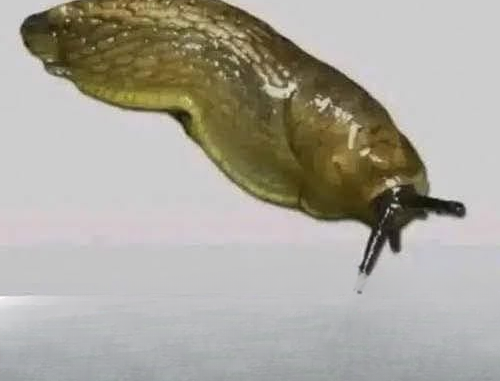
When a slug makes its way into your yard or even into your house, you might be tempted to simply ignore it or, at worst, get rid of it. After all, slugs often seem to evoke a sense of disgust. They crawl slowly, leave slimy trails behind, and seem to eat anything they can find in the garden. But what if I told you that these seemingly unremarkable creatures carry far more meaning than their appearance suggests?
What if the presence of a slug in or around your home signals something much deeper and more beneficial to your environment than you might have realized?
A Slug’s Ecological Significance
Slugs may seem like just another garden pest, but they are much more than that. These creatures are highly beneficial to the ecosystems around your home. They are part of a complex network of organisms working tirelessly to keep the environment healthy and balanced. From their roles in decomposition and soil health to their importance in the food chain, slugs are vital members of the biological community.
Before we delve into what a slug visiting your home really means, let’s take a moment to understand what slugs are and why they are so important.
What Exactly Is a Slug?
Slugs are often misunderstood. At first glance, they may seem unimportant or even repulsive, but the reality is far more fascinating. A slug is essentially a land snail without an external shell. While some species of slugs still retain a tiny internal shell, most of the ones we encounter are shell-less. They are members of the class Gastropoda, which also includes snails. Like snails, slugs are mollusks, soft-bodied invertebrates that thrive in moist conditions.
Slugs have evolved to live in these damp environments and have developed various adaptations to survive. One key adaptation is the slime they produce. The slime serves a variety of purposes: it helps slugs move across rough surfaces, prevents them from drying out, and even acts as a shield against predators and parasites.
When you spot a slug in your garden or on the patio, it’s often leaving behind a silvery, shiny trail. This trail, far from being a nuisance, is a crucial part of their survival strategy. It allows them to glide over uneven surfaces, climb plants, and move around without injuring themselves.
Why Do Slugs Appear Around Your Home?
So why are slugs showing up at your house in the first place? The simple answer is: they are drawn to environments that support life. Slugs thrive in moist, organic-rich environments that provide them with the food, moisture, and cover they need to survive. If you’ve seen slugs around your home, it’s a sign that your yard is biologically active, rich in organic matter, and in good ecological health.
Here’s a list of the conditions slugs find most appealing:
-
Damp soil: Slugs need moisture to survive, and wet, cool conditions are ideal for them.
-
Decaying plant matter: Fallen leaves, dead plant material, and compost piles provide the slugs with a rich source of food.
-
Mulch: Slugs love the cool, moist environments beneath mulch, where they can hide and find food.
-
Dense vegetation: Thick gardens with dense plants or shrubs often harbor slugs, as they offer both shelter and food.
In short, the presence of slugs means that your environment is supporting a diverse ecosystem. A healthy, vibrant garden or yard is likely to attract slugs, which in turn helps enrich the soil and encourage the growth of new plants.
Leave a Reply