
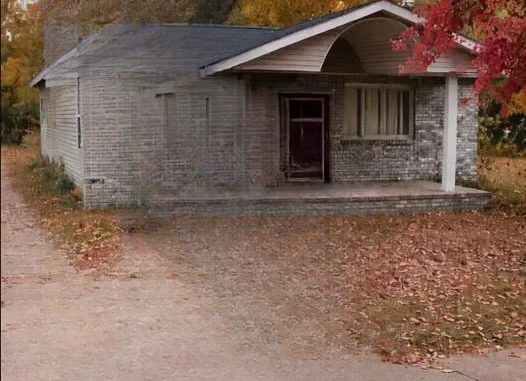
Finding an affordable home can be challenging, especially for buyers working with a limited budget. While newly renovated properties may seem attractive, homes that need a little attention can offer another opportunity. With careful planning, the right property can become a comfortable living space that reflects your personal preferences and long-term needs.
However, purchasing a home that requires improvements involves more than looking at its asking price. Understanding the property’s condition, estimating renovation expenses, and researching the surrounding neighborhood are all important steps before making a decision.
This guide explores what buyers should consider when searching for an affordable home with renovation potential.
1. Look Beyond the Initial Purchase Price
One of the biggest advantages of purchasing a property that needs updating is the possibility of finding a lower-priced option.
Homes with outdated kitchens, older flooring, or worn paint may attract fewer buyers than recently renovated properties. This can create opportunities for people willing to invest time and money into improvements.
Nevertheless, a lower purchase price does not automatically mean a better deal. Buyers should calculate the expected renovation expenses and compare the total investment with the cost of similar homes in the area.
A realistic budget helps prevent unexpected financial pressure later.
2. Examine the Property’s Structural Condition
Before considering cosmetic improvements, pay attention to the home’s essential structures and systems.
Important areas to inspect include:
- The foundation and visible structural supports.
- The roof and drainage systems.
- Plumbing and electrical installations.
- Windows, doors, and insulation.
- Heating, cooling, and ventilation systems.
- Signs of dampness, mold, or water damage.
These issues can require substantial repairs, so overlooking them may lead to expensive problems.
Hiring a qualified home inspector is a sensible step. A professional inspection can help identify potential concerns and provide a clearer understanding of the property’s condition.
3. Choose a Location That Meets Your Needs
Location is one of the most important factors when purchasing real estate.
Even a modest property can be a practical choice if it is situated near essential services and convenient transportation routes.
Consider the distance to workplaces, schools, healthcare facilities, grocery stores, and public transportation.
It is also worth researching neighborhood development, nearby amenities, and recent property sales.
A home that requires cosmetic improvements in a convenient location may be more appealing than a fully updated property in an area that does not suit your lifestyle.
4. Create a Realistic Renovation Budget
Renovation expenses can vary considerably depending on the home’s age, condition, and required improvements.
Before purchasing, prepare a list of essential repairs and optional upgrades. Obtain estimates from qualified contractors whenever possible.
Remember to include expenses beyond construction work, such as permits, materials, insurance, and temporary accommodation if necessary.
It is also wise to reserve additional funds for unexpected problems. Renovation projects sometimes uncover hidden damage that was not visible during the initial inspection.
Having a financial safety margin can make the entire process more manageable.
5. Prioritize Improvements That Matter Most
Not every renovation needs to happen immediately.
Start with repairs that affect safety, structural stability, and basic living conditions. Once these areas are addressed, you can focus on improvements that make the home more comfortable.
Some relatively simple projects include:
- Repainting interior walls.
- Replacing outdated lighting fixtures.
- Updating cabinet handles and hardware.
- Improving insulation and sealing drafts.
- Refreshing older flooring.
- Updating bathroom fixtures.
Keeping the existing layout whenever practical may also help control costs.
6. Consider Energy Efficiency
Energy efficiency is another important consideration when purchasing an older property.
Poor insulation, outdated heating equipment, and drafty windows can increase household energy expenses.
Depending on the home’s condition and available budget, improvements may include sealing gaps, upgrading insulation, installing efficient lighting, or servicing heating equipment.
These changes can improve indoor comfort while potentially reducing energy consumption.
Buyers should compare the upfront costs with the expected long-term benefits before choosing specific upgrades.
7. Explore Financing Options
Purchasing a property that requires renovation may involve different financing arrangements.
Some lenders offer renovation mortgages or home improvement loans that can help cover eligible repair expenses.
However, requirements vary depending on the lender, property condition, borrower qualifications, and location.
Before committing to a purchase, speak with financial institutions about available options, interest rates, repayment conditions, and additional fees.
Understanding financing early can help buyers determine whether a particular property fits their financial circumstances.
8. Understand Permits and Legal Requirements
Certain renovation projects require official approval before work can begin.
Structural changes, room extensions, electrical modifications, and changes to property use may be subject to local building regulations.
Older properties can also have issues involving ownership documentation, zoning restrictions, or outstanding legal matters.
Buyers should review the relevant documents and consult qualified professionals when necessary.
Checking these details before purchasing can help avoid delays and unexpected expenses.
9. Work With Qualified Professionals
Successful renovations often depend on choosing reliable professionals.
Home inspectors, architects, electricians, plumbers, and contractors can provide valuable guidance throughout the process.
Before hiring a contractor, request written estimates, verify relevant qualifications, and check previous work or references.
A clear written agreement should explain the project scope, estimated completion dates, payment arrangements, and responsibilities.
Good communication can reduce misunderstandings and help keep renovation work organized.
10. Think About Future Maintenance and Resale
A home should meet both present and future needs.
Consider whether the property offers enough space, practical storage, suitable outdoor areas, and flexibility for changing household requirements.
It is also worth thinking about future maintenance. Every home requires ongoing care, including roof inspections, plumbing checks, heating maintenance, and occasional repairs.
Although resale value may be important, renovations should not be based entirely on the expectation of making a profit.
Choose improvements that provide practical benefits and make the property more enjoyable to live in.
Final Thoughts
Purchasing an affordable home with renovation potential can be an appealing option for buyers who are willing to plan carefully and approach improvements gradually.
The most important steps are understanding the property’s condition, preparing a realistic budget, researching the location, and checking all relevant legal requirements.
Professional inspections and reliable renovation estimates can also help buyers make better-informed decisions.
A property does not need to be perfect from the beginning to become a welcoming home. With patience, thoughtful improvements, and responsible financial planning, buyers can create a living space that suits their needs while making the most of their investment.
Leave a Reply