
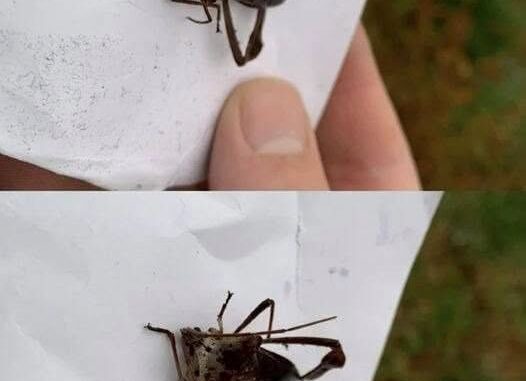
During warmer months, people are more likely to encounter insects such as mosquitoes, ticks, and other outdoor pests. Among them are insects commonly known as kissing bugs, a name used for certain species of assassin bugs.
These insects have attracted attention because some species can carry Trypanosoma cruzi, the parasite associated with Chagas disease. However, seeing or being bitten by a kissing bug does not automatically mean that a person has been infected.
If you believe you have encountered one, staying calm and taking sensible precautions is the best approach.
What Are Kissing Bugs?
Kissing bugs are blood-feeding insects belonging to a group of insects known as triatomines. They are generally more active at night and may feed on people or animals.
Their appearance can vary depending on the species and geographic region. Because several insects can look similar, identifying one from memory or from a quick photograph may be difficult.
Some triatomine insects are capable of carrying T. cruzi. The parasite can cause Chagas disease, although not every insect carries it and not every exposure results in infection.
What Should You Do After a Suspected Bite?
If you think you have been bitten by a kissing bug, gently wash the affected area with soap and water.
Try not to scratch the bite, as scratching can irritate the skin and potentially introduce bacteria into an open area.
If the insect is still nearby, avoid touching it directly. If it can be safely contained without handling it with your bare hands, preserving it may help with identification.
You can also make a note of where and when the exposure occurred.
A suspected insect bite by itself does not establish that you have a particular infection.
What Might a Bite Look Like?
Insect bites can produce different reactions depending on the individual.
Some people may experience temporary redness, itching, mild swelling, or irritation around the affected area. Others may notice very little reaction.
These symptoms are not specific to kissing bugs and can occur after many types of insect bites.
For that reason, it is generally not possible to determine the cause of a bite simply by looking at the skin.
What Is Chagas Disease?
Chagas disease is an infection caused by the parasite Trypanosoma cruzi. It is most commonly associated with certain triatomine insects in parts of the Americas.
The early stage of infection may cause mild or nonspecific symptoms, while some people may experience no noticeable symptoms.
Possible symptoms can include fever, tiredness, headache, body aches, or swelling in certain areas. Because these symptoms can also occur with many other conditions, they cannot confirm Chagas disease on their own.
Anyone concerned about possible exposure should discuss the situation with a qualified healthcare professional.
When Should You Seek Medical Advice?
Consider contacting a healthcare professional if you believe you may have been exposed to a kissing bug, particularly if the insect has been identified or if you develop unusual or persistent symptoms afterward.
When speaking with a medical professional, provide as much information as possible.
Useful details may include:
-
When the suspected bite occurred.
-
Where the exposure happened.
-
What the insect looked like.
-
Whether the insect was captured or photographed.
-
Whether you developed redness, swelling, or other symptoms.
-
Whether you recently traveled to an area where Chagas disease occurs.
A healthcare professional can determine whether further evaluation or testing is appropriate.
Don’t Assume Every Bite Is Dangerous
It is easy to become worried after reading about insects that can transmit disease.
However, the presence of a kissing bug does not automatically mean that a person has been infected. Risk depends on several factors, including the insect species, whether it carries the parasite, and the circumstances of exposure.
Many insect encounters cause nothing more than temporary irritation.
Avoiding unnecessary panic while taking reasonable precautions is a sensible approach.
How Can You Reduce Contact With Insects?
There are several practical steps that can help reduce exposure to insects around your home and outdoors.
Keep window and door screens in good condition, and repair obvious gaps that could allow insects inside.
When spending time outdoors, follow local recommendations regarding insect repellents and protective clothing.
Keeping areas around the home reasonably maintained can also reduce potential places where insects may shelter.
If you live in or travel to an area where triatomine insects are known to occur, local public-health authorities can provide region-specific information about prevention.
Don’t Rely Entirely on Online Identification
Many insects have similar shapes and markings, and incorrect identification is possible.
A photograph may sometimes help, but it is not always enough to determine the species.
If identifying the insect is important, consider contacting an appropriate local health department, insect-identification service, or other qualified resource.
Similarly, online symptom searches should not be used as a substitute for professional medical evaluation.
The Bottom Line
A suspected kissing-bug bite can understandably cause concern, particularly because some species can be associated with Chagas disease. But a bite does not automatically mean that infection has occurred.
Wash the affected area, avoid handling unfamiliar insects directly, and record useful information about the encounter. If you remain concerned or develop unusual or persistent symptoms, speak with a healthcare professional.
The most important thing is to avoid both extremes: don’t ignore a potentially important exposure, but don’t assume that every insect bite represents a serious health problem.
Health disclaimer: This article is provided for general educational purposes only. It does not diagnose, treat, or prevent any medical condition and should not replace advice from a qualified healthcare professional. If you experience severe, sudden, or rapidly worsening symptoms, seek appropriate medical care promptly.
Leave a Reply