

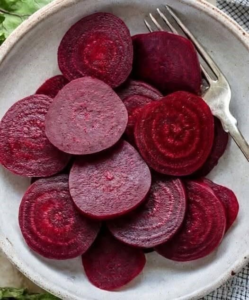
When people think of nutritious vegetables, beets don’t always top the list. Their earthy flavor and distinctive appearance may not attract as much attention as trendier foods, but beets have been a valued part of traditional diets for centuries and offer a variety of nutrients that can support overall wellness.
Whether roasted, steamed, blended into smoothies, or added to salads, beets are a versatile vegetable that can contribute to a balanced eating pattern.
What Makes Beets Nutritionally Unique?
Beets contain a combination of vitamins, minerals, fiber, and naturally occurring plant compounds that make them a valuable addition to many diets.
One of their most notable characteristics is their naturally occurring nitrate content. In the body, dietary nitrates can be converted into nitric oxide, a compound involved in supporting normal blood vessel function and healthy circulation.
Because of this, beets have attracted interest from researchers studying nutrition, exercise performance, and cardiovascular wellness. While no single food can guarantee specific health outcomes, including a variety of nutrient-rich vegetables such as beets may contribute to overall health as part of a balanced lifestyle.
A Good Source of Dietary Fiber
Like many vegetables, beets provide dietary fiber, an important nutrient that supports digestive health.
Fiber can help:
- Support regular digestion
- Promote feelings of fullness after meals
- Contribute to a healthy gut microbiome
- Help maintain steady energy levels throughout the day
Including fiber-rich foods in your meals is one of the simplest ways to support long-term digestive wellness.
Naturally Rich in Antioxidants
The deep red and purple colors found in beets come from natural pigments called betalains.
These compounds act as antioxidants, which help protect cells from everyday oxidative stress caused by normal metabolic processes and environmental factors.
A diet rich in colorful fruits and vegetables provides a wide range of antioxidants, and beets can be one valuable part of that mix.
Vitamins and Minerals Found in Beets
Beets contain several important nutrients, including:
- Folate – supports normal cell growth and development
- Potassium – helps maintain healthy muscle and nerve function
- Manganese – contributes to normal metabolism and bone health
- Iron – plays a role in oxygen transport throughout the body
Together, these nutrients contribute to the overall nutritional value of beets and help support many normal bodily functions.
Simple Ways to Enjoy Beets
Beets are easy to incorporate into everyday meals. Popular options include:
- Roasting them as a side dish
- Adding grated raw beets to salads
- Blending cooked beets into soups
- Mixing them into grain bowls
- Adding small amounts to smoothies for color and flavor
Their versatility makes them suitable for a wide range of recipes and dietary preferences.
A Few Things to Keep in Mind
As with any food, individual needs and circumstances vary.
Some people may notice a temporary pink or reddish color in their urine or stool after eating beets. This harmless effect, sometimes called beeturia, is relatively common and typically not a cause for concern.
Individuals with specific medical conditions, dietary restrictions, or concerns about kidney stones may wish to consult a healthcare professional regarding the appropriate amount of beets to include in their diet.
The Bottom Line
Beets may not receive as much attention as some popular health foods, but they offer an impressive combination of nutrients, fiber, and naturally occurring plant compounds.
Rather than viewing any single food as a solution for health, it’s more helpful to think about overall eating patterns. Consistently including a variety of vegetables, fruits, whole grains, and other nutrient-dense foods can support long-term wellness.
Beets are simply one nutritious option among many—an accessible, versatile vegetable that can play a valuable role in a balanced diet.
Leave a Reply