

A quiet morning walk along the beach is usually a chance to relax, enjoy the fresh air, and listen to the rhythm of the waves. That’s exactly what I expected during a recent outing with my dog.
The shoreline was peaceful, with only a few people in the distance. The tide was low, the air was cool, and the beach felt calm.
Then something unusual caught my attention.
An Unfamiliar Shape on the Sand
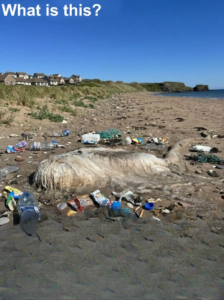
At first, I assumed it was a piece of driftwood or seaweed washed ashore overnight.
As I walked closer, however, I realized it was something entirely different.
Resting near the waterline was a large, translucent marine creature that gently shifted with each incoming wave. It wasn’t actively moving, but the motion of the water made it appear almost alive.
My dog immediately became curious, but I kept a safe distance and guided him away while I tried to figure out what I was looking at.
Rather than getting closer, I decided it was best to leave it undisturbed.
Identifying the Discovery
Once I returned home, I searched online using descriptions and photographs of the animal I had seen.
It turned out to be a Lion’s Mane Jellyfish, one of the largest jellyfish species found in the world’s oceans.
Learning its identity immediately changed how I viewed the encounter.
What had seemed mysterious was actually a fascinating marine animal with an important role in ocean ecosystems.
About the Lion’s Mane Jellyfish
The Lion’s Mane Jellyfish is known for its impressive size and long, flowing tentacles, which can extend many feet beneath the water under favorable conditions.
Its bell is typically reddish, amber, or golden in color, while its tentacles resemble a flowing mane—giving the species its common name.
Although these jellyfish are most commonly found in colder northern waters, tides and currents can occasionally carry them close to shore.
Why It’s Best Not to Touch One
One important fact I learned is that jellyfish tentacles may still contain stinging cells even after the animal has washed onto the beach.
While not every encounter results in injury, it’s generally recommended to avoid touching stranded jellyfish or allowing pets to investigate them.
Keeping a safe distance helps protect both people and animals while also avoiding unnecessary disturbance to marine wildlife.
A Reminder to Observe Wildlife Respectfully
The experience reminded me that beaches are more than beautiful places to relax.
They are living ecosystems filled with plants and animals that are constantly changing with the tides.
Many fascinating creatures occasionally wash ashore, offering opportunities to learn about marine life while practicing safe observation.
If you discover an unfamiliar sea creature, it’s often best to admire it from a distance, take a photograph if appropriate, and identify it later using reliable sources.
Seeing the Ocean Differently
Later that day, I returned to the same stretch of beach.
The jellyfish was gone.
The rising tide had carried it away, leaving no sign it had ever been there.
Yet the experience stayed with me.
I found myself paying closer attention to the shoreline, noticing details I might have overlooked before—the shells, seaweed, tidal pools, and the constant movement of the waves.
The Value of Curiosity
Nature often surprises us in unexpected ways.
A simple walk can become an opportunity to learn about wildlife, discover new species, and gain a greater appreciation for the environments around us.
That morning reminded me that curiosity is valuable—but it works best when paired with patience and respect for the natural world.
Final Thoughts
Finding a Lion’s Mane Jellyfish on the beach transformed an ordinary walk into an educational experience.
It reinforced the importance of observing unfamiliar wildlife from a safe distance, protecting curious pets, and taking time to learn about the remarkable creatures that share our coastlines.
The ocean remains one of Earth’s most diverse environments, and every visit offers the chance to discover something new.
Sometimes, all it takes is slowing down and paying attention to what the tide has brought ashore.
Leave a Reply