
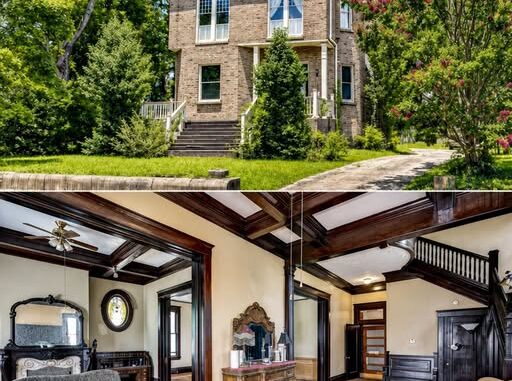
Vicksburg, Mississippi, is a city where history and architecture are closely connected. Located on the bluffs above the Mississippi River, the community has a long and varied past shaped by commerce, transportation, conflict, and generations of residents.
For visitors and architecture enthusiasts, one of the city’s most interesting features is its collection of historic homes. These properties offer a glimpse into earlier periods of American life through their building materials, floor plans, decorative details, and surviving craftsmanship.
Rather than simply being old buildings, many of these houses provide an opportunity to understand how people lived and how residential architecture changed over time.
A City Shaped by History
Vicksburg was established in the early 19th century and developed rapidly because of its important position along the Mississippi River. Trade and transportation helped the city grow into a significant regional center.
The community also played an important role during the American Civil War. The 1863 Siege of Vicksburg was a major event in the conflict, and the city’s history is still reflected in sites such as Vicksburg National Military Park.
Beyond its military history, Vicksburg developed a diverse architectural character. Walking through some of its older neighborhoods reveals houses representing several different periods and styles.
Greek Revival buildings, Victorian residences, Italianate designs, Queen Anne homes, and early 20th-century properties can all be found within the city’s historic landscape.
This variety is one reason Vicksburg remains interesting to people who enjoy historic architecture.
Features That Make Historic Homes Special
Older homes often contain craftsmanship and materials that are difficult to reproduce today.
One example is the use of substantial wood flooring. Historic houses may contain old-growth timber with distinctive grain and natural aging that gives the material a character different from many modern flooring products.
Fireplaces are another common architectural feature. Before modern heating systems became widespread, fireplaces played an important practical role in household life. In larger historic residences, several fireplaces could serve different rooms.
Their mantels were often designed as decorative focal points, incorporating wood, marble, tile, or other materials.
High ceilings are also common in many older Southern homes. In addition to creating a spacious appearance, their design could contribute to ventilation and airflow during warm weather.
Decorative moldings, ceiling details, plasterwork, and wood trim further demonstrate the amount of skilled labor that went into residential construction during earlier periods.
Doors, Staircases, and Interior Details
Some of the most memorable features of historic houses are found in places that modern visitors might overlook.
Pocket doors, for example, were designed to slide into walls rather than swing into a room. This allowed homeowners to alter the connection between spaces while saving floor area.
Large staircases could also serve as important visual features. Detailed railings, carved newel posts, decorative balusters, and polished woodwork often made the staircase one of the most noticeable elements in an entrance hall.
Windows provide another fascinating detail. Older glass can have slight variations and imperfections created during historical manufacturing processes. Deep window openings and large openings for ventilation also reflect the practical considerations of earlier builders.
The People Behind the Houses
Architecture becomes more meaningful when viewed alongside the people who lived in these homes.
Historic residences were family homes first. They were places where people raised children, welcomed visitors, operated businesses, celebrated important occasions, and experienced ordinary daily life.
Some Vicksburg properties were associated with families involved in local commerce and community life. Others changed ownership over the decades and were adapted to meet the needs of new generations.
Small details can provide clues about the people who lived there. Worn thresholds, old hardware, repaired flooring, built-in storage, and layers of paint can reveal how a house changed over time.
This human connection is one of the reasons preservation efforts are important. Saving a historic building can preserve more than its appearance; it can also protect part of a community’s story.
The Appeal of Restoration
Historic properties can attract buyers and preservation enthusiasts because of their character and potential.
A restoration project can involve repairing original woodwork, maintaining historic windows, restoring decorative details, and updating electrical, plumbing, heating, and cooling systems while respecting the character of the building.
However, owning an older house can also require considerable planning and expense. Historic materials may require specialized repairs, and some projects can take considerably longer than work on a newer property.
For anyone considering purchasing a historic home, a thorough inspection and realistic renovation budget are particularly important.
Notable Historic Properties
Vicksburg has several well-known historic residences that help illustrate the city’s architectural heritage.
The Duff Green Mansion, dating to the mid-19th century, is associated with the city’s antebellum period and later Civil War history. Its architecture includes prominent Southern residential features and substantial interior detailing.
Anchuca Historic Mansion is another notable property, recognized for its Greek Revival character and long connection to Vicksburg’s history.
The McNutt House is among the city’s older surviving residences and is associated with former Mississippi governor Alexander G. McNutt.
Other properties, including the Bazsinsky House and Corners Mansion, demonstrate the variety of Victorian and other architectural influences that became part of Vicksburg’s residential landscape.
Together, these buildings help illustrate how architectural tastes changed over generations.
Experiencing Vicksburg Today
Modern Vicksburg combines its historic character with the practical features of a contemporary community.
Visitors can explore historic neighborhoods, museums, cultural attractions, local businesses, and sites connected with the city’s river and Civil War history.
The city’s elevated location also provides views of the surrounding Mississippi landscape. Mature trees, gardens, older streets, and historic buildings contribute to its distinctive atmosphere.
For residents, living in a historic neighborhood can provide a strong connection to the community’s past. At the same time, older properties require regular maintenance and careful attention to their unique construction.
Why Preservation Matters
Preserving historic homes is not simply about maintaining attractive buildings. These properties can provide physical evidence of how communities developed and how residential life changed over time.
When original materials and architectural features survive, they allow future generations to study construction techniques, design preferences, and everyday living conditions from earlier periods.
At the same time, preservation does not necessarily mean leaving a house unchanged. Many successful restoration projects carefully introduce modern conveniences while retaining important historic characteristics.
The challenge is finding a balance between practicality and preservation.
Final Thoughts
Vicksburg’s historic homes offer a fascinating look at the architectural and social history of Mississippi.
From elaborate staircases and fireplaces to old flooring, decorative trim, high ceilings, and distinctive windows, these properties contain details that connect modern visitors with earlier generations.
Some houses are carefully preserved, while others require significant restoration. Each has its own history and character.
For anyone interested in architecture, history, preservation, or simply the stories hidden within old buildings, Vicksburg provides plenty to explore. Its historic homes are reminders that buildings can serve as more than places to live—they can also become lasting records of the people, craftsmanship, and communities that shaped them.
Leave a Reply