
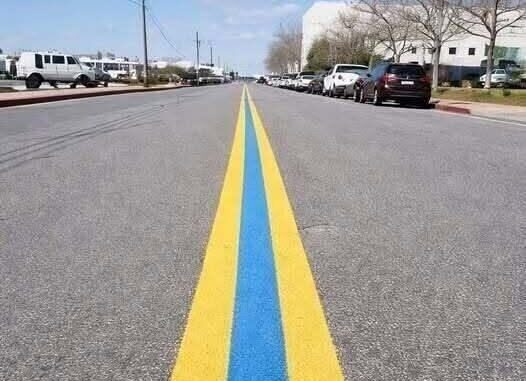
Have you ever been driving or walking through your neighborhood and noticed a bright blue line painted along the curb or stretching across the asphalt? At first glance, it might seem like a simple road marking—but in reality, these lines carry an important message that many people overlook. Understanding what a blue line signifies is more than just curiosity—it’s about safety, awareness, and following local rules that help protect your community.
In this article, we’ll explore everything you need to know about blue street lines, why they’re painted, who enforces them, and how they impact drivers, cyclists, and pedestrians. We’ll also dive into the historical background of street markings, highlight some surprising uses, and even share stories of communities where blue lines have made a measurable difference.
The Basics: What a Blue Line Usually Represents
In many municipalities, a blue line on the street signals a special type of parking or access area. Depending on the location, it could mean:
- Handicapped or disabled parking zones: Blue is often used to indicate spaces reserved for vehicles displaying a valid disability permit.
- Utility or emergency access lanes: Some cities mark areas for water, electricity, or gas company access.
- Temporary restrictions: During events or construction, blue lines may indicate areas where normal parking rules are suspended.
The color coding system for streets is not universal, but blue is commonly associated with special or restricted use. Unlike yellow or red lines, which often relate to traffic flow or no-parking zones, blue is intended to signal attention to designated spaces for safety or public service.
How Blue Lines Protect Vulnerable Groups
One of the most important uses of blue lines is to protect people who need it most. Consider the example of disabled parking:
- These lines are often accompanied by the international symbol of accessibility—a wheelchair icon painted on the asphalt.
- Parking in a blue-marked space without a permit can lead to fines or towing.
- The blue line ensures that those with mobility challenges can access businesses, schools, or hospitals easily.
In many cities, these lines are also visible from a distance, helping drivers spot parking restrictions quickly and reducing the likelihood of illegal parking.
Blue Lines and Emergency Access
Another less obvious, but crucial, function of blue lines is to reserve space for emergency vehicles or essential services. For example:
- Fire hydrants or water utility access points are sometimes marked with blue lines.
- This ensures that emergency responders can reach hydrants quickly in case of a fire, or that utility crews can perform urgent repairs without obstacles.
One story from a small town in California illustrates this perfectly. During a fire drill, the fire department discovered that improperly parked vehicles had blocked a water access lane. After repainting the street with a bold blue line, the town saw a 90% improvement in compliance, making it easier for emergency responders to reach critical infrastructure.
Temporary Blue Lines: Construction and Special Events
Blue lines are not always permanent. Cities often paint temporary blue lines for events or construction projects:
- During street festivals, parades, or marathons, organizers may use blue markings to designate no-parking zones or pathways for emergency access.
- Construction sites may use blue lines to indicate utility areas that must remain clear.
These temporary markings help maintain safety and organization, ensuring that traffic flows smoothly even during unusual circumstances.
Blue Lines in Cycling Infrastructure
In some progressive cities, blue street lines have taken on an entirely new role: marking bike lanes.
- Cyclists can follow the lines safely through busy streets.
- Drivers are reminded to avoid encroaching into dedicated bike lanes.
- Blue paint provides a strong visual contrast against the gray asphalt, making lanes more visible in all weather conditions.
Cities like Copenhagen, Amsterdam, and parts of California have pioneered this approach, significantly reducing bike accidents by clearly delineating cyclist space.
Historical Background: Why Blue?
Street marking colors were standardized over decades to communicate meaning quickly to drivers and pedestrians. Traditionally:
- White lines indicate lane separations or traffic direction.
- Yellow lines warn of no-passing zones or edge-of-road boundaries.
- Red lines often indicate fire lanes or prohibited zones.
Blue was chosen as a neutral, highly visible color for special designations—distinct from traffic flow indicators but still noticeable.
Interestingly, the first municipal blue lines appeared in European cities in the early 20th century, primarily for handicapped parking. Over time, this practice spread globally, evolving into the multi-purpose uses we see today.
Leave a Reply