
-
Every workshop has a few tools that rarely get the spotlight but are essential to quality craftsmanship. One of those is the humble nail punch, a small hand tool that has helped woodworkers, carpenters, and DIY enthusiasts achieve clean, professional-looking results for generations.
While modern power tools often take center stage, the nail punch remains a timeless reminder that the smallest finishing touches can make the biggest difference.
What Is a Nail Punch?
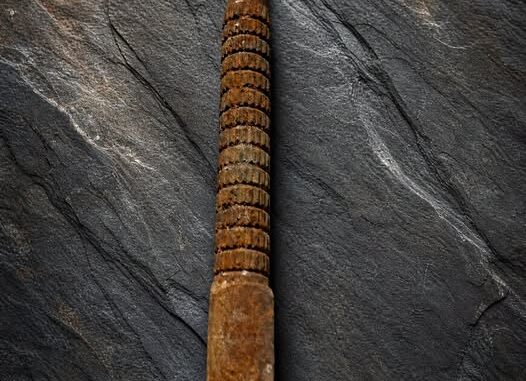
A nail punch, sometimes called a nail set, is a simple steel tool designed to drive the head of a finish nail slightly below the surface of the wood.
After a nail is hammered into place, the nail punch is positioned over the nail head and tapped gently with a hammer. This pushes the nail just beneath the wood’s surface, creating a smooth finish that’s ready for wood filler, sanding, or paint.
Though small and inexpensive, it’s one of the tools that separates a rough project from one with a polished appearance.
Why It Was a Workshop Essential
Before cordless nail guns became common, nearly every woodworking project relied on a hammer and a nail punch.
Whether building furniture, installing trim, repairing cabinets, or making shelves, carpenters used the tool to hide exposed nail heads and protect the wood from accidental hammer marks.
A properly set nail also helped prevent:
- Snagged clothing
- Scratches on hands or furniture
- Uneven painted or stained surfaces
- Premature wear around exposed nail heads
For anyone who took pride in their work, using a nail punch was simply part of the job.
Built to Last
Vintage nail punches were made from hardened steel and built to withstand years—often decades—of regular use.
Many older tools still show the marks of countless projects: worn tips, scratched handles, and polished surfaces shaped by years of work. Rather than reducing their value, those signs of wear tell the story of furniture repaired, homes maintained, and family projects completed by hand.
It’s not uncommon to find an old nail punch tucked away in a toolbox that’s been passed from one generation to the next.
More Than Just a Tool
For many people, a nail punch represents more than woodworking.
It brings back memories of helping a parent or grandparent in the garage, learning how to measure twice before cutting once, and discovering that good craftsmanship takes patience.
Unlike modern tools designed for speed, a nail punch encourages careful attention to detail. Every tap requires precision, reminding us that quality often comes from slowing down rather than rushing through a task.
Is It Still Useful Today?
Absolutely.
Even with today’s power nailers and advanced woodworking equipment, a nail punch still has plenty of practical uses. It’s especially helpful for:
- Installing trim and molding
- Finishing woodworking projects
- Repairing furniture
- Setting small finish nails
- Countersinking nails before filling and painting
Many professional carpenters and hobbyists still keep one in their toolbox because there are situations where no other tool works quite as well.
A Symbol of Traditional Craftsmanship
The nail punch reflects a time when repairing something was often preferred over replacing it.
Instead of throwing away a loose chair or damaged cabinet, people took the time to fix it properly. Every project was completed with care, and the finishing details mattered just as much as the construction itself.
That mindset continues to inspire many woodworkers today, proving that craftsmanship isn’t defined by expensive equipment but by patience, skill, and pride in a job well done.
The Bottom Line
The vintage nail punch may be one of the smallest tools in the workshop, but its impact has been anything but small. For generations, it helped builders create cleaner, stronger, and more professional-looking projects while teaching the value of precision and attention to detail.
Even in an age of power tools and modern technology, this simple piece of steel continues to earn its place in toolboxes around the world. Sometimes, it’s the smallest tool—and the final careful step—that transforms good work into great craftsmanship.
Leave a Reply