

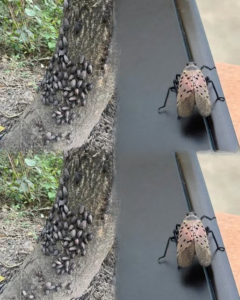
Finding an unfamiliar insect in your yard can be surprising, especially if you begin noticing several of them around trees, plants, or outdoor furniture. One species that has received growing attention in recent years is the spotted lanternfly—an invasive insect that has spread to parts of North America and can affect a wide variety of plants.
While spotting one doesn’t necessarily mean there’s a serious problem, learning how to identify this insect and understanding its impact can help homeowners, gardeners, and outdoor enthusiasts respond appropriately.
What Is a Spotted Lanternfly?
The spotted lanternfly is an invasive insect originally native to parts of Asia. Since being introduced into new regions, it has spread through several states and continues to be monitored by agricultural and environmental agencies because of its potential impact on trees, vineyards, orchards, and ornamental plants.
Although it may look striking, its feeding habits can place stress on certain plants when large populations are present.
How to Identify It
The spotted lanternfly changes appearance as it grows, making it helpful to recognize each stage of its life cycle.
Young nymphs are small, black, and covered with bright white spots. As they mature, they develop vibrant red coloring alongside their black-and-white markings.
Adult insects are easier to recognize. Their folded wings are light gray with black spots, but when they open them, bright red hindwings become visible—a distinctive feature that makes the species easy to identify.
Why Is It Considered a Problem?
Unlike insects that chew leaves, spotted lanternflies feed by piercing plants and extracting sap.
As they feed, they produce a sticky liquid known as honeydew. This substance can collect on leaves, tree trunks, patios, vehicles, outdoor furniture, and other nearby surfaces.
Honeydew may also encourage the growth of dark mold on affected surfaces. When this develops on plant leaves, it can reduce the amount of sunlight they receive and may contribute to plant stress over time.
Large infestations can weaken certain trees and plants, particularly if they are already dealing with drought, disease, or other environmental pressures.
What to Watch For
One of the best ways to limit the spread of spotted lanternflies is by recognizing the early signs of activity.
Keep an eye out for:
- Groups of spotted insects gathering on tree trunks.
- Sticky residue on plants or outdoor surfaces.
- Black, sooty mold growing where honeydew has accumulated.
- Gray or brown egg masses attached to trees, fences, stones, outdoor furniture, or other hard surfaces.
Finding egg masses early can help reduce future populations before they hatch.
Managing Spotted Lanternflies
If spotted lanternflies are present in your area, early action can make a difference.
Many homeowners begin by removing visible egg masses during the appropriate season. These can often be scraped into a sealed container or bag for proper disposal, following local recommendations.
It’s also helpful to monitor trees and plants regularly so new activity can be identified before populations grow.
Some areas recommend managing invasive host plants, such as the tree of heaven, which the spotted lanternfly frequently uses during parts of its life cycle.
When infestations become widespread, local extension offices or licensed pest management professionals can provide guidance on appropriate treatment options.
Use Traps Carefully
Sticky bands and traps are sometimes used to monitor or reduce spotted lanternfly populations.
However, these products should be used responsibly because they may accidentally capture birds, butterflies, beneficial insects, or small wildlife if not properly protected.
Always follow local recommendations and product instructions when using any trapping method.
Preventing the Spread
One reason spotted lanternflies spread so quickly is that they can hitch rides on everyday items.
Egg masses may be found on:
- Vehicles
- Trailers
- Firewood
- Outdoor equipment
- Camping gear
- Lawn furniture
- Shipping materials
Inspecting these items before transporting them can help reduce the risk of introducing the insect to new areas.
Community Awareness Matters
Managing invasive species is often most effective when communities work together.
In many regions, environmental and agricultural agencies encourage residents to report sightings, particularly in locations where the insect has recently appeared or is not yet widespread.
These reports help scientists and local officials better understand where populations are expanding and where management efforts may be needed.
Protecting Your Landscape
Although the spotted lanternfly has become a concern in many areas, there’s no need to panic if you encounter one.
Regular observation, early identification, and following local guidance are often the most effective ways to help protect gardens, trees, and landscapes.
Healthy plants, routine inspections, and prompt action when needed can all contribute to reducing the impact of invasive pests over time.
Final Thoughts
The spotted lanternfly is a reminder of how quickly invasive species can spread and why awareness is important.
Learning to recognize its different life stages, understanding how it affects plants, and taking practical preventive measures can help homeowners support healthier outdoor spaces.
With informed action and community cooperation, it’s possible to reduce its spread while helping protect local ecosystems for years to come.
Leave a Reply