
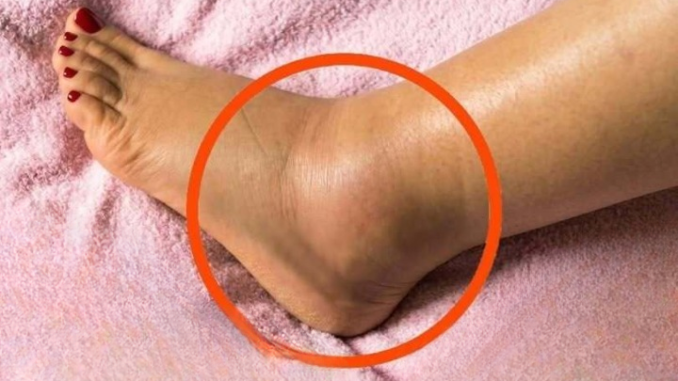
Many people assume swollen legs are simply a normal part of getting older. After all, spending long hours sitting, standing, or being less active can leave the ankles and feet looking puffy by the end of the day. While swelling is often harmless and temporary, doctors warn that persistent or worsening leg swelling can sometimes be a sign of an underlying health problem that deserves attention.
As we age, the body’s systems do not always function as efficiently as they once did. Blood circulation can slow, muscles may become less active, and the body’s ability to manage fluids can gradually change. These factors can make swelling in the lower legs more common. However, understanding why swelling occurs is important because the cause is not always as simple as fatigue or inactivity.
One of the most frequent reasons for leg swelling is reduced circulation. Healthy veins work continuously to move blood from the legs back toward the heart. Over time, vein walls and valves can weaken, allowing blood to pool in the lower extremities. Because gravity constantly pulls fluid downward, the ankles and feet are often the first places where swelling becomes noticeable.
Physical activity plays an important role in preventing this problem. The muscles in the calves act as a natural pump, helping blood travel upward against gravity. When movement becomes limited due to age, injury, or a sedentary lifestyle, this pumping action becomes less effective. As a result, fluid may begin collecting in the legs, creating visible swelling and discomfort.
Another common cause is fluid retention, often referred to as edema. The body carefully regulates fluid levels through the work of several organs, including the heart, kidneys, and liver. When any of these systems are not functioning properly, excess fluid can accumulate in tissues. In some cases, swelling develops gradually and affects both legs. The skin may feel tight, shoes may become difficult to wear, and pressing a finger into the swollen area can sometimes leave a temporary indentation.
Diet can also contribute to the problem. Consuming large amounts of sodium encourages the body to retain water. Processed foods, canned products, restaurant meals, and packaged snacks often contain surprisingly high levels of salt. For individuals already prone to fluid retention, excessive sodium intake can significantly worsen swelling.
Medications are another factor that many people overlook. Certain prescription drugs, including some used to manage blood pressure, inflammation, pain, or hormonal conditions, may cause swelling as a side effect. Because older adults often take multiple medications, identifying the source can sometimes be challenging. What appears to be a normal part of aging may actually be related to a treatment regimen that requires adjustment.
Inactivity itself can also play a major role. Spending long periods sitting in a chair, traveling, or remaining in bed reduces blood flow and lymphatic drainage. Without regular movement, fluids can settle in the lower legs and feet. Even gentle daily activities such as walking, stretching, or simple leg exercises can help improve circulation and reduce fluid buildup.
While many causes of swelling are relatively manageable, some situations require prompt medical attention. Sudden swelling in one leg, particularly if accompanied by pain, warmth, redness, or tenderness, may indicate a blood clot known as Deep Vein Thrombosis. This condition can become dangerous if the clot travels to the lungs and should be evaluated immediately by a healthcare professional.
Healthcare providers often recommend practical measures to help manage mild swelling. Elevating the legs above heart level when resting can encourage fluid to move away from the lower extremities. Compression stockings may help support circulation and prevent fluid accumulation. Regular physical activity, maintaining a healthy weight, staying hydrated, and limiting excessive salt intake can also make a meaningful difference.
However, swelling that persists, worsens, becomes painful, or appears suddenly should never be dismissed as simply “getting older.” The body often provides warning signs when something is not functioning as it should, and swollen legs may be one of those signals.
The most important lesson is that swelling is not a diagnosis—it is a symptom. Sometimes the cause is minor, but sometimes it reflects an issue involving circulation, organ function, medication effects, or another medical condition that requires treatment. Paying attention to these changes and seeking appropriate medical advice when necessary can help identify problems early and prevent more serious complications later on.
What may seem like a small change in appearance could be your body’s way of asking for a closer look.
Leave a Reply