

Family relationships can be complicated.
Sometimes the most difficult moments aren’t caused by major events, but by years of unspoken emotions, misunderstandings, and unresolved pain.
A disagreement that appears to be about an achievement, a decision, or a milestone is often about something much deeper beneath the surface.
Understanding this can change the way we approach conflict and healing within families.
When Achievements Don’t Feel the Way We Expected
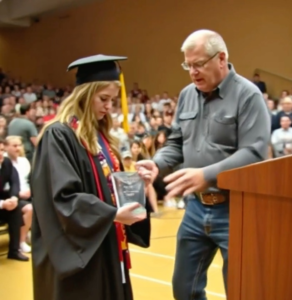
Graduations, promotions, awards, and other accomplishments are often viewed as moments of celebration.
People imagine support, encouragement, and pride from those closest to them.
But family members don’t always respond the way we hope.
Sometimes reactions seem distant, critical, or difficult to understand.
In many cases, these responses have less to do with the achievement itself and more to do with personal struggles the other person may be experiencing.
How Unresolved Grief Affects Relationships
Grief can affect people in very different ways.
Some individuals become more expressive and emotional.
Others withdraw, become quieter, or struggle to communicate their feelings.
When grief remains unaddressed for long periods, it can create emotional distance within families, making even ordinary conversations feel difficult.
What looks like anger or criticism may sometimes be sadness, fear, or unresolved pain that has never been fully expressed.
The Problem With Silence
Communication experts often note that silence can be one of the biggest obstacles in relationships.
Not because silence is always harmful—but because assumptions often grow in its place.
When people stop discussing their feelings, they may begin creating their own explanations for the behavior of others.
Over time, misunderstandings can become deeply rooted.
This emotional distance often becomes harder to repair the longer it remains unaddressed.
Why Difficult Conversations Matter
Although uncomfortable, honest conversations can create opportunities for understanding.
When people share their experiences openly, they often discover that both sides have been carrying burdens that were never fully understood.
These discussions can reveal:
- Unspoken fears
- Past disappointments
- Emotional wounds
- Different expectations
- Shared experiences of loss
While these conversations don’t instantly solve every problem, they can create a foundation for rebuilding trust.
Healing Doesn’t Happen Overnight
One common misconception is that reconciliation happens through a single conversation.
In reality, healing is often a gradual process.
It involves:
- Patience
- Consistency
- Honest communication
- Mutual understanding
- A willingness to move forward
Progress is rarely perfect, but small steps can create meaningful change over time.
Letting Go of Perfection
Many people wait for the perfect apology, the perfect conversation, or the perfect resolution.
Unfortunately, relationships rarely work that way.
Growth often begins when people accept that healing can be messy, imperfect, and slow.
The goal isn’t perfection.
The goal is progress.
What Strong Relationships Have in Common
Healthy family relationships aren’t defined by the absence of conflict.
They’re defined by the willingness to work through challenges together.
Families that successfully navigate difficult periods often share several qualities:
- Empathy
- Patience
- Forgiveness
- Open communication
- Commitment to understanding one another
These traits help create resilience during difficult seasons of life.
The Bigger Lesson
Many conflicts that appear to be about a single moment are actually about years of accumulated emotions.
Understanding this can help people approach disagreements with greater compassion and perspective.
Instead of asking, “Why did this happen?” it can be helpful to ask, “What might be happening beneath the surface?”
That question often leads to a deeper understanding of both ourselves and the people we care about.
The Bottom Line
Family relationships aren’t always easy.
Misunderstandings happen. Emotions become complicated. Life creates challenges that no one anticipates.
But healing remains possible when people are willing to communicate honestly, listen carefully, and continue trying—even when the process feels uncomfortable.
Because in many cases, rebuilding a relationship doesn’t happen through one perfect moment.
It happens through small conversations, consistent effort, and a shared commitment to move forward together.
Leave a Reply