
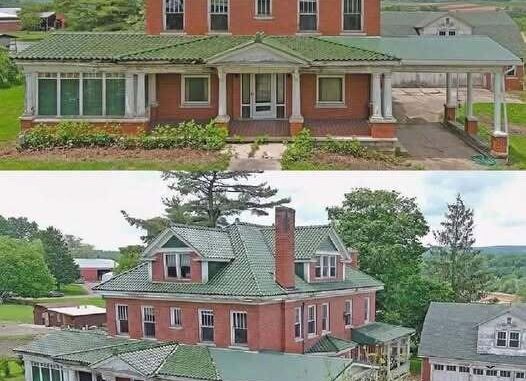
In Salisbury, Pennsylvania, a traditional three-story brick residence offers a glimpse into the architectural styles of the early twentieth century. According to the supplied property description, the home was built around 1920 and has an asking price of $190,000. With its distinctive brick exterior, decorative interior features, spacious layout, and a separate apartment above the garage, the property presents several possibilities for buyers interested in older homes.
For those who appreciate historic architecture, a house like this offers something different from a newly constructed residence. Traditional materials, detailed woodwork, and original decorative elements can give an older property a distinctive identity. At the same time, purchasing a home of this age requires careful consideration of its condition, maintenance requirements, and potential renovation costs.
The property’s appeal lies in the opportunity to explore its existing character while considering how the space might be adapted for modern living.
A Traditional Brick Exterior With Lasting Appeal
One of the most noticeable features of this Salisbury residence is its substantial brick facade. Brick was a popular building material for many homes constructed during the early twentieth century, valued for its appearance, durability, and traditional architectural character.
The home’s three-story design gives it a distinctive profile, setting it apart from many smaller, single-story properties. Its exterior reflects a period when residential architecture often emphasized solid construction, decorative details, and clearly defined entrances.
At the front of the house, a double-door entrance framed by decorative tilework provides an attractive focal point. Details like these can contribute significantly to the overall appearance of an older property, particularly when original materials have been retained.
For prospective buyers, the entrance and surrounding masonry would be worth examining during a property visit. The condition of the brickwork, mortar joints, doors, and decorative finishes can help indicate what maintenance or restoration work may be needed.
Preserving these features could be an important part of maintaining the home’s traditional appearance.
Interior Features That Reflect an Earlier Era
The interior is described as featuring hardwood flooring, stained-glass accents, decorative tile, and detailed wooden trim. Together, these elements give the property a traditional atmosphere that may appeal to buyers who value craftsmanship and historic design.
Hardwood floors can provide warmth and visual continuity throughout a home. Depending on their condition, existing floors may be suitable for cleaning, refinishing, or more extensive restoration rather than immediate replacement.
Stained glass offers another distinctive feature. Its colors and patterns can introduce natural light in an interesting way, adding character to hallways, stairwells, or other interior spaces. Original examples may also provide clues about the architectural style and decorative preferences of the period.
Decorative tile and wood moldings can contribute to the home’s overall identity as well. Although these details may require careful maintenance, preserving them can help retain the qualities that make older houses appealing.
Buyers should nevertheless assess each feature individually. Visible charm does not necessarily indicate that materials are in excellent condition, and a qualified professional can help identify repairs that may be required.
A Wooden Staircase and Three Levels of Living Space
The property’s three-story layout offers another point of interest. According to the description, the interior includes a prominent wooden staircase, with a built-in storage seat at its base.
A staircase can become an important visual feature in a traditional home, particularly when surrounded by original woodwork, decorative molding, and detailed trim. The built-in seating element also offers a practical touch, potentially providing a convenient place to sit or store everyday items.
The multiple floors may allow future owners to organize their living space in different ways. Depending on the floor plan, room dimensions, and condition of the property, the available space might accommodate bedrooms, guest rooms, a home office, hobby areas, or additional storage.
However, the usefulness of a three-story house depends on more than the number of rooms or floors. Stair safety, accessibility, heating efficiency, natural lighting, and the overall arrangement of the interior should all be considered.
A thorough inspection can help determine whether the home’s layout is suitable for a buyer’s needs and whether any improvements are necessary.
An Apartment Above the Garage Adds Flexibility
One of the property’s notable features is the reported apartment above the garage. This additional living area could offer several possibilities, depending on its size, condition, layout, and legal status.
For a household that regularly hosts visitors, the space might provide a separate area for guests. Families could also explore whether it would be suitable for relatives who prefer greater independence while remaining close to the main residence.
Other potential uses might include a home office, a creative workspace, or a private hobby room, provided the space is appropriate for the intended purpose.
Some buyers may also consider whether the apartment could generate rental income. Before making financial plans around that possibility, it is essential to confirm that the unit is legally approved for independent occupancy and complies with applicable building, fire-safety, zoning, and utility requirements.
The existence of a separate apartment does not automatically establish that it can be rented.
Confirming its permitted use and assessing its condition would help buyers understand the property’s practical value.
Renovation Opportunities and Important Considerations
Older homes can provide an appealing starting point for renovation projects, particularly when they contain architectural details that would be difficult to reproduce in a contemporary building.
For this residence, the brick exterior, stained glass, hardwood flooring, decorative tile, and wooden staircase could inspire a restoration plan that respects the home’s traditional character.
Some improvements might involve relatively straightforward cosmetic work, such as repainting rooms, updating light fixtures, or refinishing suitable wood surfaces. Other projects could require more substantial investment, especially if major building systems need attention.
Before beginning renovations, buyers should arrange a professional inspection covering the roof, foundation, masonry, electrical system, plumbing, heating equipment, windows, and other important components.
Older buildings may also contain materials that require specialist assessment before renovation or removal. Understanding these issues early can help owners plan responsibly and avoid unexpected expenses.
A detailed budget should include essential repairs, permits where required, labor, materials, and a contingency for unforeseen problems.
Balancing Historic Character With Modern Comfort
Updating an older home does not necessarily mean removing everything that makes it distinctive.
A thoughtful renovation can preserve attractive original details while improving comfort, functionality, and energy efficiency. For example, suitable hardwood floors might be restored, existing woodwork carefully maintained, and lighting improved to create brighter, more practical rooms.
Kitchen and bathroom updates could also be considered, depending on the current layout and the condition of the existing fixtures and plumbing.
The best renovation strategy will depend on the property’s actual condition and the buyer’s priorities. Some owners may prefer a preservation-focused approach, while others might favor a more contemporary interior that incorporates selected historic features.
In either case, identifying the home’s most important architectural elements before starting work can help guide decisions.
Buyers should also consider the ongoing responsibilities associated with owning a large, older house. Routine maintenance, heating costs, exterior repairs, and the upkeep of additional living space can affect the long-term cost of ownership.
Is the Reported $190,000 Asking Price Worth Considering?
The supplied description lists the property at $190,000. Although the asking price may attract attention from buyers searching for a substantial older residence, the figure alone cannot establish whether the house offers good value.
A meaningful assessment would require comparing it with similar properties in the Salisbury area and reviewing verified information about the home’s square footage, lot size, current condition, and recent sales of comparable houses.
Potential renovation expenses should also be included in the overall financial calculation. A property with attractive architectural features may still require considerable investment if essential repairs have been postponed.
The apartment above the garage could add practical value, but only after its condition, permitted uses, and maintenance requirements have been established.
Prospective buyers may benefit from consulting a qualified home inspector, a contractor experienced with older buildings, and a real estate professional familiar with the local market.
These steps can provide a clearer understanding of the property’s possibilities and financial commitments.
A Historic Home With Potential for a New Chapter
This three-story brick residence in Salisbury, Pennsylvania, is described as offering a combination of traditional architecture, decorative interior details, and additional living space above the garage.
Its double-door entrance, hardwood floors, stained glass, woodwork, and prominent staircase provide several features that may appeal to buyers who appreciate the character of an older home.
The property’s multiple floors and separate apartment could also offer flexibility for different living arrangements, depending on the verified layout and applicable regulations.
For buyers considering a renovation project, the most important step is to look beyond appearances and establish the home’s true condition. A professional inspection, realistic budget, and careful review of the property details can help determine whether it is a suitable investment.
With thoughtful planning and appropriate maintenance, an older brick residence can offer an opportunity to combine historic character with the comforts of modern living.
Ultimately, the appeal of this Salisbury property lies not only in its traditional design but also in the possibility of shaping its next chapter while respecting the features that make it distinctive.
Leave a Reply