

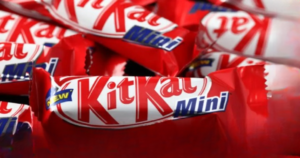
Most people have enjoyed a Kit Kat at some point, but few stop to ask a surprisingly simple question:
What does “Kit Kat” actually mean?
It’s one of the most recognizable candy names in the world, yet its origins remain a source of curiosity and debate. Unlike some brands that clearly describe what’s inside the package, “Kit Kat” doesn’t immediately reveal any obvious meaning.
So where did the name come from?
As it turns out, the answer is more interesting—and a little more complicated—than many people expect.
A Name With Deep Historical Roots
One of the most commonly cited explanations traces the name back several centuries to a social group in England known as the Kit-Cat Club.
The club was active during the late 1600s and early 1700s and brought together influential writers, artists, and political figures. Historians believe the group may have been named after Christopher Catling, a tavern owner whose nickname was “Kit Cat.”
Over time, the name became associated with intellectual gatherings, culture, and conversation.
Because of this connection, many people believe the famous chocolate bar eventually borrowed or adapted the historic name.
While this theory is widely referenced, it is only one piece of a much larger story.
The Theory That Refuses to Go Away
Like many popular brands, Kit Kat has inspired its share of myths and alternative explanations.
One frequently repeated claim suggests the name is actually an acronym.
Various versions of this theory have circulated online for years, often presenting hidden meanings behind the letters.
However, there is little historical evidence supporting these interpretations, and most researchers consider them examples of modern brand folklore rather than documented history.
Still, the persistence of these theories highlights how much people enjoy uncovering secret meanings behind familiar products.
How the Modern Brand Took Shape
The version of the story most often connected to the modern chocolate bar begins in the early twentieth century.
Before the familiar wafer-and-chocolate treat became famous worldwide, the name “Kit Kat” had already appeared on confectionery products in Britain.
As the product evolved and gained popularity, the name remained.
Eventually, it became attached to the chocolate-covered wafer bar that consumers recognize today.
Rather than emerging from a single dramatic moment, the brand appears to have developed gradually over time, with the name carrying forward as the product itself changed and expanded.
Why the Name Works So Well
Even if someone knows nothing about its history, there’s something memorable about the name itself.
“Kit Kat” is:
- Short
- Easy to pronounce
- Rhythmic
- Instantly recognizable
- Simple to remember
Marketing experts often point out that some of the strongest brand names succeed because they are easy to say and easy to recall.
Kit Kat is a perfect example.
Its simplicity helped it travel across languages, countries, and generations.
More Than Just a Candy Bar
Over the years, the name has become associated with something bigger than the product itself.
For many consumers, Kit Kat immediately brings to mind one famous advertising message:
“Have a break, have a Kit Kat.”
The slogan transformed the candy bar from a snack into a symbol of taking a moment to pause and recharge.
In many ways, that association has become more important than the exact origin of the name.
Today, most people think of a quick break rather than historical clubs or centuries-old stories when they hear the words “Kit Kat.”
Why Brand Origins Often Become Complicated
Many well-known products have surprisingly complex histories.
Companies change ownership.
Products evolve.
Marketing strategies shift over decades.
As a result, origin stories often become a mixture of documented facts, historical influences, and popular myths.
Kit Kat is no exception.
Its story combines elements of history, branding, and cultural memory, which is why different explanations continue to circulate.
So What Does “Kit Kat” Really Stand For?
The most accurate answer may be that it doesn’t stand for any single thing.
Depending on which historical sources you examine, the name may be connected to:
- The historic Kit-Cat Club
- Earlier confectionery products that used the name
- Branding decisions made during the product’s development
- Popular theories that emerged later
What is clear is that the name has endured for generations.
Final Thoughts
The story behind the name Kit Kat is a reminder that familiar products often have histories hidden in plain sight.
While there may never be one perfectly simple explanation that satisfies everyone, the combination of historical connections, branding evolution, and popular curiosity has made the story part of the brand’s appeal.
Whether the name originated from a centuries-old social club, an earlier confectionery tradition, or a blend of influences over time, one thing is certain:
Few candy bars have a name that has sparked as much curiosity—and lasted as long—as Kit Kat.
And sometimes, the mystery itself is what makes the story worth remembering.
Leave a Reply