

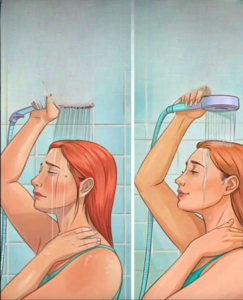
For many people, a daily shower feels like an essential part of staying clean, refreshed, and ready for the day.
Warm water can be relaxing, help wash away sweat and dirt, and provide a sense of comfort after a long day. But according to many skin care experts, more washing isn’t always better when it comes to maintaining healthy skin.
In recent years, dermatologists have increasingly emphasized the importance of balancing cleanliness with the body’s natural protective systems.
The goal isn’t to stop bathing—it’s to understand how everyday hygiene habits can affect skin health and overall comfort.
Your Skin Has Its Own Natural Defense System
Many people think of skin simply as a protective covering, but it’s actually one of the body’s most important organs.
Healthy skin helps:
- Protect against environmental irritants
- Retain moisture
- Support temperature regulation
- Act as a barrier against harmful microorganisms
To perform these functions, skin relies on natural oils and beneficial microorganisms that help keep it balanced.
When these protective elements are repeatedly removed through excessive washing, the skin may become more vulnerable to dryness and irritation.
Why Natural Oils Matter
Your skin naturally produces oils called sebum.
These oils help:
- Prevent excessive dryness
- Keep skin flexible
- Protect the outer skin barrier
- Support overall skin health
Frequent washing, especially with very hot water or harsh cleansers, can remove these oils faster than the body can replace them.
As a result, some people may experience:
- Dry or flaky skin
- Itching
- Increased sensitivity
- Redness or irritation
For individuals with naturally sensitive skin, these effects may be even more noticeable.
The Importance of the Skin Microbiome
Scientists have learned that healthy skin is home to a diverse community of beneficial microorganisms, often called the skin microbiome.
These microorganisms help maintain balance and support the skin’s natural defenses.
While regular hygiene remains important, excessive cleansing may disrupt this balance.
Many dermatologists recommend using gentle products that clean effectively without unnecessarily stripping the skin’s protective layers.
Hot Showers Can Be Tough on Skin
A long hot shower may feel relaxing, but hot water can contribute to skin dryness.
Heat can remove natural oils more quickly and may leave skin feeling tight or irritated afterward.
Experts often recommend:
- Using warm rather than very hot water
- Keeping showers relatively short
- Applying moisturizer after bathing
These simple adjustments can help maintain hydration while still allowing you to enjoy your daily routine.
What About Hair and Scalp Health?
The scalp produces natural oils just like the rest of the skin.
For some people, washing hair every day works well. For others, daily shampooing may remove too much oil and leave hair feeling dry or brittle.
Factors that influence hair-washing frequency include:
- Hair texture
- Scalp oil production
- Physical activity level
- Personal preference
Many hair care professionals suggest adjusting routines based on individual needs rather than following a one-size-fits-all approach.
Does Everyone Need a Daily Shower?
The answer depends on lifestyle and personal circumstances.
People who:
- Exercise regularly
- Work outdoors
- Sweat heavily
- Live in hot climates
may benefit from more frequent bathing.
Others who spend most of their time indoors or in cooler environments may not require a full-body shower every day.
Many experts note that cleanliness can often be maintained through targeted washing of key areas while allowing the skin’s natural balance to remain intact.
Finding the Right Balance
Healthy hygiene isn’t about showering as much as possible.
It’s about finding a routine that works for your body.
Simple habits can help support skin health:
Keep Showers Short
Long showers expose skin to water and cleansers for extended periods, increasing the likelihood of dryness.
Choose Gentle Cleansers
Mild, fragrance-free products are often less irritating for sensitive skin.
Moisturize After Bathing
Applying moisturizer while skin is still slightly damp can help lock in hydration.
Pay Attention to Your Skin
If your skin feels consistently dry, itchy, or irritated, it may be worth adjusting your bathing habits or discussing concerns with a healthcare professional.
Healthy Skin Is About Balance
Modern research continues to highlight the importance of supporting the body’s natural systems rather than constantly stripping them away.
Good hygiene remains essential, but healthy skin also depends on maintaining moisture, protecting the skin barrier, and avoiding unnecessary irritation.
For many people, small changes—such as using gentler products, lowering water temperature, or shortening shower time—can make a noticeable difference.
Final Thoughts
Showering is an important part of personal hygiene, but experts increasingly emphasize that more isn’t always better.
The skin works hard to protect and support the body every day. Giving it the opportunity to maintain its natural balance can help promote comfort, hydration, and overall skin health.
By understanding how bathing habits affect the skin, individuals can make informed choices that support both cleanliness and long-term well-being.
Sometimes, the healthiest approach is not doing more—it’s finding the right balance.
Leave a Reply