

A day at the beach is one of life’s simplest pleasures—warm sunshine, soft sand, and the calming sound of waves rolling onto shore. But beneath the ocean’s beauty lies a powerful natural force that deserves respect.
Most beachgoers know about hazards like rip currents and changing tides, but there’s another fascinating ocean phenomenon that often goes unnoticed: square waves, also known as cross seas.
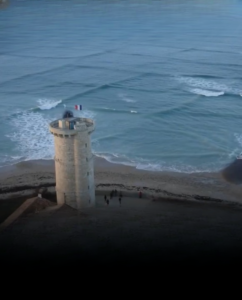
At first glance, these unusual wave patterns look almost unreal. Instead of moving in a single direction, the water forms a striking grid-like pattern, creating what appears to be squares across the ocean’s surface. It’s a rare sight that attracts photographers, travelers, and ocean enthusiasts around the world.
But while square waves can be beautiful to observe, experts advise caution.
What Causes Square Waves?
Square waves occur when two different wave systems travel through the same area from different directions. As the waves intersect, they create a checkerboard-like pattern on the water.
This phenomenon is most commonly seen when wind-generated waves collide with ocean swells moving from another direction. The result is a unique surface pattern that can look calm from afar but may indicate more complex water movement below.
Why Are They Important?
According to maritime experts, cross-sea conditions can create unpredictable water movement that may affect swimmers, surfers, and small boats. Because waves approach from multiple directions, balance and navigation can become more challenging than under normal conditions.
For this reason, many coastal authorities recommend observing square waves from a safe distance rather than entering the water when they are present.
How to Stay Safe at the Beach
Whether you’re visiting the coast for the first time or you’re an experienced swimmer, a few simple precautions can make your trip safer:
- Check local weather and surf forecasts before entering the water.
- Pay attention to lifeguard flags and safety warnings.
- Swim in designated areas whenever possible.
- Avoid entering the water if conditions appear unusual or unpredictable.
- Never swim alone.
- Stay aware of changing tides and currents.
A Reminder to Respect the Ocean
The ocean is constantly changing, shaped by winds, tides, currents, and weather systems. Square waves are a fascinating example of nature’s complexity—and a reminder that even the most beautiful sights can require caution.
By staying informed and paying attention to local conditions, you can enjoy everything the beach has to offer while making safety a priority.
Have you ever witnessed square waves in person? It’s an unforgettable sight that demonstrates just how incredible—and powerful—the ocean can be.
Leave a Reply