
Part I: The Hook on the Screen
The digital glow of the smartphone screen illuminated the cramped, cluttered kitchen where Clara Vance sat nursing a cold cup of coffee. It was past midnight, and like millions of people navigating the brutal modern housing market, she was scrolling through real estate listings she couldn’t afford—until her thumb stopped dead on a photograph.
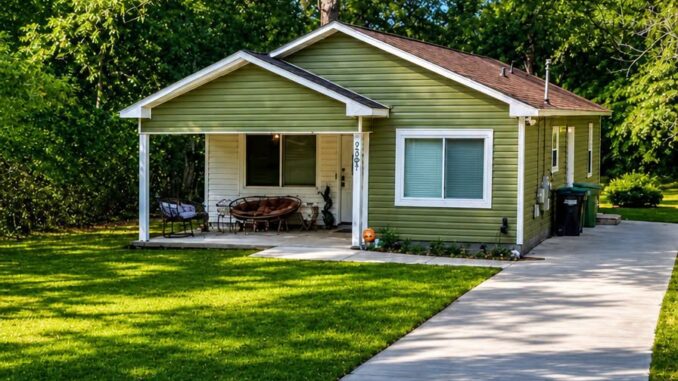
It was charming. A picturesque little house painted a warm, inviting forest green, framed by mature oak trees and a quiet, wide-open patch of green grass. The headline beamed brightly: Charming 3-Bedroom Home With Plenty of Character.
Clara’s heart skipped a beat as her eyes scanned the description: Three spacious bedrooms, two full bathrooms, updated kitchen layout, serene neighborhood. Listed at $20,000.
In an era where a one-bedroom apartment deposit cost three times that amount, a deal like this felt like winning a cosmic lottery. Clara’s mind raced instantly. Could this be it? Could this be the place where her mother finally has a quiet room of her own, where her younger brother doesn’t have to share a converted living-room space?
She immediately clicked the inquiry button, her hands trembling slightly with a familiar, dangerous emotion: hope.
Part II: The Fine Print
By Sunday afternoon, Clara was standing at the edge of a gravel-strewn cul-de-sac on the outskirts of town, staring at the green house in person.
Up close, the charm began to blur around the edges. The paint near the front steps was peeling in thin, papery strips. The sprawling oak trees were actually crowding a gravel driveway that bore the unmistakable scars of oil stains. And as Clara walked around the side of the structure, the illusion completely fractured.
There was no permanent foundation. Resting beneath the vinyl siding were steel chassis beams, concrete leveling piers, and a heavy, gray vinyl skirting skirted around the base to hide the open air beneath the floorboards.
It wasn’t a cottage. It wasn’t a traditional single-family home. It was a 1998 double-wide mobile home, placed on a leased plot of land in a community park.
A bitter wave of disappointment washed over her. She pulled up the listing on her phone again, searching frantically for any mention of “manufactured,” “mobile,” or “park fees.” There was nothing. The ad relied entirely on flattering angles, carefully cropped wide shots, and omission by design. It used the promise of three bedrooms and an unbelievable price tag to lure in desperate buyers, banking on the fact that emotion would override common sense before anyone asked the hard questions.
As Clara turned to leave, a weathered screen door creaked open across the gravel lot, and an elderly man with a silver crew cut stepped out onto his porch, watching her with tired, knowing eyes.
Part III: The Neighborhood Oracle
“First time looking at the green one?”
Clara jumped slightly, looking over at the older man. He was leaning against his porch railing, holding a mug of tea that wisped thin gray steam into the crisp afternoon air.
“Yes,” Clara admitted, walking closer to the property line. “I saw the online listing. It said it was a house for twenty thousand.”
The man let out a dry, humorless chuckle. “Arthur Vance built this park back in the seventies, and folks have been trying to rename things ever since. They call it a ‘charming 3-bedroom home’ online because nobody wants to click on an ad that says ‘depreciating asset on rented dirt.’”
Clara crossed her arms against the chill. “It feels dishonest. People are struggling out here. They see a price like that when they’re desperate, and they don’t look closer until it’s too late.”
“Dishonest is putting it mildly,” the man replied, introducing himself as Arthur’s former neighbor, Thomas. “That price is just the bait. What the listing doesn’t tell you is that the land doesn’t come with it. You buy the box for twenty grand, but the park charges a lot rent of eight hundred dollars a month—which goes up every year. Add in the maintenance on aging plumbing that was never built to last thirty years, and you’re paying more than a mortgage for a property you can’t even secure a traditional bank loan on.”
Thomas took a slow sip of his tea and looked at Clara. “The folks selling it aren’t looking for a family to settle down. They’re looking for someone who doesn’t read the fine print.”
Part IV: The Hidden Ledger
That evening, back in her cramped apartment, Clara didn’t close the browser tab. Instead, she opened a blank spreadsheet.
If the listing was going to play games with omission, she decided she would play the game with absolute transparency. She began doing the math that the internet ad had deliberately hidden:
-
Purchase Price: $20,000 (requiring a high-interest personal loan since mortgages don’t apply to mobile units on leased land).
-
Monthly Lot Rent: $850 (with an average historical increase of 6% annually).
-
Park Maintenance & Infrastructure Fees: $120/month.
-
Insurance (higher rates for manufactured structures): $140/month.
By the time she calculated the five-year projection, the “unbelievable bargain” turned into a financial trap that would cost nearly double what a modest traditional apartment would over the same period—while leaving her equity trapped in a depreciating asset on someone else’s land.
The listing had played on hope, weaponizing the housing crisis to convert human vulnerability into a quick sale. But transparency was a weapon of its own.
Part V: Beyond the Headline
The next morning, Clara didn’t call the real estate agent to schedule a second viewing. Instead, she opened a local consumer protection forum and typed out a detailed, factual breakdown of the listing, complete with the unmentioned lot fees, the reality of manufactured housing financing, and the questions every buyer should ask when a deal looks too good to be true.
She hit Publish, attaching her own photographs of the concrete piers and the vinyl skirting.
Within hours, the post began to circulate through local housing groups. Comments poured in from other renters who had nearly fallen into the exact same trap—people who thanked her for exposing the illusion before they signed away their savings.
Clara closed her laptop and walked over to the window, watching her brother and mother laughing in the small living room. They didn’t have the green house with the oak trees, and they didn’t have a $20,000 miracle.
What they had was something much better: clarity, safety, and a refusal to let deceit dictate their future.
Leave a Reply