
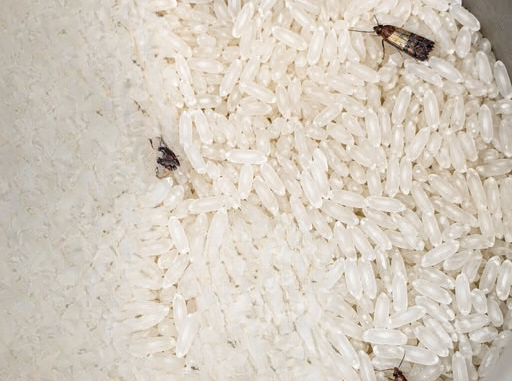
Pantry moths can appear almost out of nowhere. One evening, you may notice a tiny moth flying around your kitchen light. A few days later, you might discover thin webs inside a bag of flour or rice, or tiny larvae hiding in a forgotten box of cereal.
The frustrating part is that pantry moths have little to do with how clean your kitchen is. They often enter homes inside food packages purchased from stores, with eggs or larvae already hidden inside the packaging.
Once they get established, simply killing the adult moths you see flying around usually isn’t enough. The key is finding and removing the source of the infestation.
How to Tell If You Have Pantry Moths
Pantry moths, commonly called Indian meal moths, are small household pests that feed on dry foods. They can infest a surprising variety of products, including:
-
Flour and baking mixes
-
Rice, pasta, and grains
-
Cereal and crackers
-
Nuts and seeds
-
Dried fruit
-
Spices
-
Chocolate and other dry foods
-
Birdseed and pet food
Adult moths are annoying, but the larvae are responsible for much of the damage.
Look for thin strands of webbing inside packages, small cream-colored larvae, clumps in dry foods, tiny cocoons in cabinet corners, or moths repeatedly appearing around your pantry.
Even one or two moths shouldn’t necessarily be ignored. Their presence can indicate that eggs or larvae are hiding somewhere nearby.
Empty the Entire Pantry
The first major step is to remove everything from the affected cabinets.
Don’t inspect only the package where you found the moths. Take out boxes, bags, jars, spices, baking supplies, snacks, and pet food so you can inspect the entire storage area.
Check packaging carefully, particularly around seams, folds, corners, and the bottoms of bags and boxes.
Remember that an item doesn’t have to be expired to be infested. Pantry moths can be introduced through recently purchased food.
Throw Away Anything Suspicious
If you find webbing, larvae, cocoons, or other signs of infestation, discard the food.
Place questionable products into a sealed garbage bag before taking them outside. This reduces the chance of insects escaping back into your kitchen.
Don’t assume that an unopened package is automatically safe. Pantry moth larvae can sometimes emerge from surprisingly small openings in packaging.
When you’re uncertain about a heavily questionable food product, replacing it is generally safer than keeping it and potentially allowing the infestation to continue.
Vacuum Every Corner
Once the pantry is empty, vacuum thoroughly.
Pay special attention to:
-
Shelf corners
-
Cracks and crevices
-
Cabinet hinges
-
Shelf supports
-
Edges and seams
-
Areas beneath shelves
-
Nearby baseboards
Eggs, larvae, and cocoons can hide in places that aren’t immediately obvious.
After vacuuming, empty the vacuum canister or bag outside rather than leaving it sitting inside the house.
Then wipe the shelves and surrounding surfaces with warm, soapy water. The goal isn’t simply to make the pantry look clean—it’s to remove food particles and anything else that could support another generation of pests.
Move Dry Foods Into Sealed Containers
One of the easiest long-term prevention methods is changing how you store dry food.
Instead of leaving flour, cereal, rice, pasta, oats, nuts, and similar products in thin cardboard boxes or plastic bags, transfer them into tightly sealed glass, metal, or sturdy plastic containers.
Airtight containers won’t necessarily eliminate an infestation that already exists, but they can make it much harder for pests to spread from one food product to another.
They also make future inspections much easier.
Use Pantry Moth Traps as a Monitoring Tool
Pheromone traps can be useful when dealing with pantry moths. They attract adult male moths and can help reduce their numbers while also indicating whether adult moths are still present.
However, traps shouldn’t be treated as the entire solution.
If an infested package remains hidden somewhere in the pantry, catching adult moths won’t remove the source. The most important step is still locating and eliminating contaminated food.
Think of traps as an additional tool rather than a replacement for cleaning and inspection.
Be Careful With New Groceries
Preventing another infestation starts when groceries come through the front door.
Inspect packages before storing them, especially dry goods that are particularly susceptible to pantry pests.
Some people also freeze susceptible dry foods for several days after purchasing them as an additional precaution against hidden eggs or larvae. If you use this approach, make sure the food and packaging are suitable for freezing.
Regularly rotate pantry supplies so older products don’t remain forgotten at the back of a cabinet for months.
Don’t Forget Pet Food
Pet food, birdseed, and other animal feeds can also become sources of pantry moth infestations.
Store these products in tightly sealed containers and inspect them periodically.
If moths keep returning despite repeated cleaning of your human-food pantry, check these less obvious food sources as well.
What If the Moths Keep Coming Back?
Persistence is often the most frustrating part of dealing with pantry moths.
You may clean everything, throw away questionable food, and still see an occasional moth afterward. That’s because different stages of the insect’s life cycle may still be present.
Continue monitoring the pantry and inspecting food carefully. If the infestation persists despite thorough cleaning and removal of suspected sources, consider contacting a qualified pest-control professional.
A professional can help determine whether the infestation is coming from an overlooked food source or another difficult-to-access area.
The Best Defense Is Prevention
Pantry moths aren’t necessarily a sign of a dirty home. They can arrive hidden inside ordinary grocery products and become a problem before you notice the first adult moth.
The most effective approach is to combine several simple habits:
-
Inspect dry goods before storing them.
-
Discard visibly contaminated food.
-
Vacuum cabinet cracks and corners thoroughly.
-
Keep pantry shelves clean and dry.
-
Store susceptible foods in airtight containers.
-
Monitor with pheromone traps when appropriate.
-
Check pet food and birdseed.
-
Rotate older pantry items regularly.
-
Investigate persistent moth activity rather than simply killing the adults you see.
The biggest mistake is treating the flying moth as the entire problem. The adult insects are usually just the visible part of a much larger life cycle.
Find the source, remove contaminated food, clean thoroughly, and make future food storage more secure. With those steps, you can turn a frustrating pantry infestation into a problem that stays under control.
Leave a Reply