
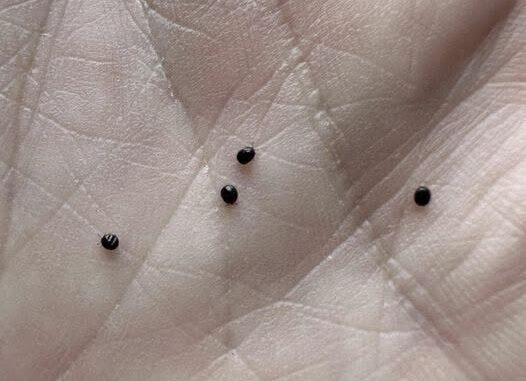
Finding a small cluster of eggs in your yard can be surprising, especially when they appear in an unexpected place.
You might notice tiny shapes on a plant leaf, a cluster near the soil, an unusual patch of eggs in standing water, or a small sac attached to a sheltered surface. While some outdoor eggs belong to harmless or beneficial insects, others can eventually develop into pests that affect plants, pets, or the comfort of your home.
The important thing is not to panic.
Seeing eggs does not automatically mean you have a dangerous infestation. Many insects reproduce naturally in gardens and outdoor spaces, and some species are actually beneficial because they help control other pests or pollinate plants.
The best approach is to identify what you have found before deciding what to do with it.
1. Tick Eggs
Ticks can lay large numbers of eggs, usually in protected outdoor areas where conditions are suitable for their development.
Depending on the species, eggs may be deposited in vegetation, leaf litter, soil, or other sheltered locations.
The eggs themselves are extremely small, which means they can be difficult to identify accurately without a close look.
The greater concern is what happens after ticks develop.
Ticks can attach to people, dogs, cats, and wildlife. Some species can transmit infections, so preventing tick exposure is an important part of spending time outdoors safely.
If you regularly walk through tall grass, brush, or wooded areas, check yourself and your pets for ticks after returning indoors.
If you find something you believe may be a tick or tick egg cluster, avoid handling it unnecessarily and consider obtaining professional identification.
2. Flea Eggs
Flea eggs are tiny and pale and are more commonly associated with areas where animals spend time.
If pets regularly rest outdoors, fleas may become part of the surrounding environment.
Fleas can also become an indoor problem because pets may carry adult fleas into the house.
If your dog or cat is scratching more than usual, speak with a veterinarian about appropriate flea prevention rather than relying on household remedies.
Keeping pet bedding clean and maintaining the areas where animals sleep can also help reduce opportunities for flea populations to develop.
3. Mosquito Eggs
Mosquitoes have a very different strategy.
Rather than placing eggs on plants or dry soil, many mosquito species lay eggs in or around water.
That means something as small as a neglected container, clogged gutter, bucket, plant saucer, or birdbath can potentially provide a breeding site.
After rainfall, walk around your yard and look for containers holding stagnant water.
Where practical, empty or remove standing water regularly and keep outdoor containers from collecting rain.
Keeping gutters clear can also help prevent water from accumulating.
Mosquitoes are more than an annoyance because certain species can transmit diseases. The specific risks vary by location and mosquito species, so local public-health guidance is the best source for information about diseases in your area.
4. Spider Egg Sacs
Spider egg sacs can look particularly unusual.
Depending on the species, they may appear as small white, cream, or silk-covered structures attached to vegetation, walls, fences, or other sheltered surfaces.
A single egg sac can contain numerous developing spiderlings.
However, the presence of a spider egg sac does not automatically mean your yard is dangerous.
Most spiders are not considered a significant threat to people, and many are beneficial predators that feed on other insects.
If an egg sac is in an area where it will not cause a problem, leaving it alone may be preferable to disturbing it.
If you are concerned about a particular spider or egg sac, local pest professionals or extension services can often help identify it.
5. Eggs on Garden Plants
If you discover tiny eggs attached to the underside of leaves, don’t immediately remove them.
Some could belong to garden pests, but others may come from beneficial insects.
Ladybugs, lacewings, and other helpful species can lay eggs on plants while contributing to natural pest control.
This is one reason identification matters.
Removing every unfamiliar egg cluster could unintentionally eliminate insects that are helping your garden.
Take a clear photograph and examine the surrounding area for adult insects, plant damage, or other clues before deciding what action is appropriate.
Why Identification Matters
One of the biggest mistakes people can make with unfamiliar outdoor eggs is assuming that every cluster belongs to a harmful pest.
The appearance of eggs can vary significantly between species.
Color, size, shape, location, texture, and the plant or surface where the eggs were found can all provide clues.
Even then, visual identification is not always reliable.
A photograph can be useful when asking a pest-control professional, veterinarian, agricultural extension service, or other qualified source for help.
What Should You Do If You Find Eggs?
Start by observing the area.
Ask yourself:
-
Where are the eggs located?
-
Are they attached to a plant, soil, water, or another surface?
-
Are there adult insects nearby?
-
Is there visible damage to plants?
-
Do pets regularly use the area?
-
Is standing water present?
-
Have you noticed an unusual increase in insects?
Avoid crushing or disturbing an unidentified cluster with your bare hands.
If the eggs are associated with a known pest, follow appropriate local guidance for removal and prevention.
For larger infestations or situations involving potentially harmful pests, professional assistance may be the safest option.
Keep Your Yard Less Attractive to Pests
A few basic maintenance habits can reduce conditions that allow some pests to thrive.
Keep grass and vegetation maintained around frequently used areas, remove unnecessary piles of leaves or debris, and avoid allowing containers to collect stagnant water.
Seal openings around buildings where appropriate, keep food waste properly contained, and maintain pet flea and tick prevention according to veterinary advice.
These steps won’t eliminate every insect from your yard—and they shouldn’t.
A healthy outdoor environment naturally contains insects, spiders, and other small creatures.
The goal is to manage genuine pest problems rather than trying to remove every living thing from the garden.
Not Every Egg Is a Warning
Seeing an unfamiliar cluster of eggs can certainly make you curious, but it isn’t necessarily a reason for alarm.
Some eggs may eventually become pests, while others may develop into harmless or beneficial insects.
The safest strategy is simple: identify first, then decide what to do.
If you regularly spend time in your yard, especially with children or pets, paying attention to unusual insect activity can help you catch potential problems early.
But don’t assume that an unfamiliar egg cluster is dangerous simply because it looks unusual.
Nature is full of small details that can be easy to overlook.
Sometimes those tiny clusters are signs of a pest population developing.
Other times, they are simply another part of the ecosystem living right outside your door.
Knowing the difference can help you protect your garden, your pets, and your home without unnecessarily disturbing beneficial wildlife.
Leave a Reply