
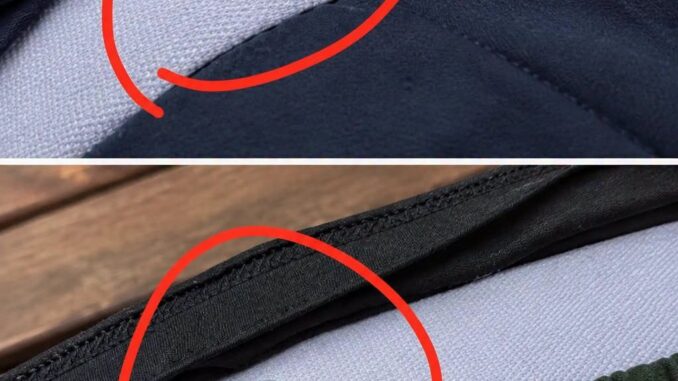
Most drivers use a seat belt every day without giving much thought to how all of its small components work together. You pull the belt across your body, click it into place, and get on with your journey.
But have you ever noticed the small round button attached to the shoulder portion of the belt?
It may look like an insignificant piece of plastic, but it serves a practical purpose in the way the seat belt is positioned and used.
What Is That Small Button?
The little round piece is commonly called a seat-belt stop button or belt stop.
Its main purpose is to prevent the metal latch plate—the part that clicks into the buckle—from sliding too far down the shoulder belt when the belt isn’t being worn.
Without the stop, the latch plate could slide toward the lower part of the belt, meaning you might have to reach farther down to find it the next time you get into the vehicle.
The button therefore helps keep the latch plate in a convenient location.
It is a small component, but it contributes to making the seat belt easier to use correctly.
It Doesn’t Hold the Seat Belt in Place During a Crash
There is an important misconception worth clearing up.
The small button itself is not the component responsible for restraining your body during a collision.
The seat belt’s webbing, buckle, anchor points, retractor, and other safety systems perform that job.
Modern vehicles may also use systems such as pretensioners and load limiters to manage the forces placed on occupants during certain crashes.
The tiny stop button has a much simpler role: helping keep the buckle’s latch plate positioned along the belt when it isn’t fastened.
Why Seat Belt Position Still Matters
Although the button isn’t a crash-restraint device, proper seat-belt positioning is extremely important.
The shoulder portion of a three-point seat belt should generally cross the chest and shoulder rather than sitting against the neck or slipping off the shoulder.
The lap portion should sit low across the hips and pelvis.
Your vehicle’s owner’s manual may provide specific instructions for adjusting the belt and seat position.
Many vehicles also have an adjustable upper seat-belt anchor, allowing the shoulder belt to be positioned more comfortably for different occupants.
What Happens If the Button Is Missing?
If the stop button falls off, the seat belt can still function as a restraint because the button itself is not what locks the belt during a collision.
However, the latch plate may slide farther down the webbing when the belt is unfastened.
That can make the belt less convenient to reach and may encourage poor habits if someone struggles to position it properly.
A missing or damaged stop button is therefore worth having repaired, especially if it makes the belt difficult to use correctly.
Avoid attempting improvised repairs with glue, tape, or other materials.
A vehicle manufacturer, qualified repair facility, or appropriate replacement part is a better solution.
Don’t Confuse It With Other Seat-Belt Components
Seat belts contain several different parts that can look surprisingly simple but serve different purposes.
The latch plate is the metal piece that connects with the buckle.
The buckle holds the latch plate securely when the belt is fastened.
The retractor stores the belt and allows it to extend and retract.
The anchor points connect the belt system to the vehicle.
Some vehicles also include pretensioners and load-limiters as part of their restraint systems.
The small plastic stop button is much simpler than these components.
Its job is primarily to keep the latch plate from traveling too far along the webbing.
A Small Part With a Practical Purpose
Automobiles contain countless small components that drivers rarely notice.
Some affect comfort, some improve convenience, and others are directly involved in vehicle safety.
The seat-belt stop button belongs mostly in the convenience category, but it illustrates an important principle: even seemingly insignificant parts are often there for a reason.
If yours is missing, don’t panic. The seat belt has not suddenly lost its primary restraint function simply because that little button is gone.
Instead, check that the belt itself operates normally, that the latch plate locks securely into the buckle, and that the belt fits properly across your body.
If anything about the restraint system appears damaged or isn’t working correctly, have it inspected by a qualified professional.
The Most Important Part Is Still the Belt
Ultimately, the best thing you can do is use the seat belt correctly every time you’re in the vehicle.
Make sure the shoulder belt crosses your chest and shoulder, keep the lap portion positioned low across your hips, and follow the vehicle manufacturer’s instructions for adjustment.
Small components such as the stop button help make the system convenient, but they don’t replace proper seat-belt use.
So the next time you notice that tiny round button on the belt beside you, you’ll know why it’s there.
It may be easy to overlook, but it is a useful little part of a much larger system designed to make wearing a seat belt simple and practical
Leave a Reply