
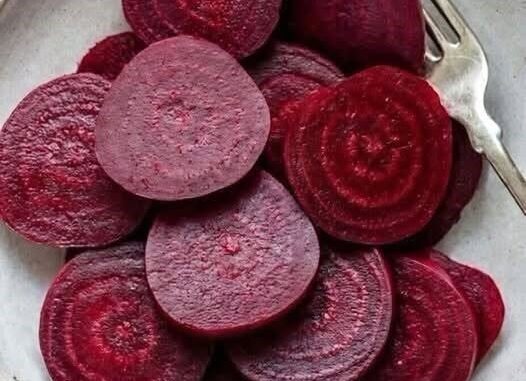
Beets are colorful, versatile, and packed with nutrients. Whether roasted, steamed, blended into a smoothie, or sliced into a salad, these earthy root vegetables can be an easy addition to a balanced diet.
Their deep red and purple colors come from naturally occurring plant compounds, while beets also provide dietary fiber, folate, potassium, and other nutrients. Research has also examined the potential effects of beetroot and beet juice on circulation, exercise performance, and overall health.
While no single food can guarantee better health, regularly including nutrient-rich vegetables such as beets can be part of a healthy eating pattern.
Here are several potential benefits of adding beets to your meals.
1. They May Support Healthy Blood Pressure
Beets are naturally rich in dietary nitrates. The body can convert these compounds into nitric oxide, which plays a role in relaxing blood vessels and supporting healthy circulation.
Some studies have found that consuming beetroot or beet juice may lead to modest improvements in blood pressure, particularly in the short term.
However, the effect can vary from person to person, and beets should not be considered a replacement for prescribed blood-pressure treatment.
For a simple way to enjoy them, try adding cooked beets to salads or serving roasted beets as a colorful side dish.
2. They Provide Antioxidant Compounds
Beets contain betalains, plant pigments responsible for their distinctive red, purple, and golden colors. These compounds have antioxidant properties and have been studied for their potential role in protecting cells from oxidative stress.
Beets also contain other plant compounds that contribute to their nutritional value.
Rather than thinking of one food as a cure-all, it is more useful to include a variety of colorful fruits and vegetables in your diet. Different plant foods provide different nutrients and beneficial compounds.
3. They May Support Exercise Performance
Beetroot has attracted attention among athletes because of its nitrate content.
Research suggests that dietary nitrates may influence how efficiently the body uses oxygen during certain types of exercise. Some studies have found improvements in exercise efficiency and endurance after consuming beetroot or beet juice.
The potential benefit appears particularly relevant to endurance activities such as running, cycling, and swimming.
Results aren’t identical for everyone, however, and factors such as fitness level, diet, exercise intensity, and the amount consumed can influence the outcome.
4. They Can Contribute to Digestive Health
Whole beets contain dietary fiber, an important part of a healthy diet.
Fiber helps support normal digestion and can contribute to regular bowel movements. It can also help you feel satisfied after meals.
To get the most fiber from beets, choose whole beets rather than relying exclusively on beet juice, since juicing removes much of the vegetable’s fiber.
Combining beets with other fiber-rich foods, such as beans, whole grains, fruits, and other vegetables, can help you build a more balanced diet.
5. They Supply Important Nutrients
Beets aren’t just about their vibrant color. They also provide several vitamins and minerals.
Among their nutrients are folate, potassium, manganese, and vitamin C in smaller amounts. Folate is important for normal cell division and the formation of healthy red blood cells, while potassium plays several important roles in normal muscle and nerve function.
Eating a variety of vegetables is generally a better strategy than focusing on a single “superfood,” but beets can certainly contribute useful nutrients to an overall balanced eating pattern.
6. They May Support Circulation
The nitrates found naturally in beets have been studied for their relationship with blood-vessel function and circulation.
Because nitric oxide helps regulate blood-vessel tone, researchers have investigated whether beet consumption can improve blood flow in certain circumstances.
This research is promising, but it doesn’t mean that eating beets will automatically prevent cardiovascular disease or solve circulation problems.
For long-term heart health, factors such as regular physical activity, not smoking, adequate sleep, a balanced diet, and appropriate medical care remain much more important than any individual food.
7. They Make Healthy Meals More Interesting
One benefit of beets that is easy to overlook is their versatility.
Their naturally sweet, earthy flavor works in both savory and fresh dishes. You can roast them with herbs, grate raw beets into salads, add cooked beets to grain bowls, or blend them into smoothies.
Their bright color can also make simple meals more appealing, which may make it easier to enjoy a wider variety of vegetables.
Try pairing beets with ingredients such as leafy greens, beans, nuts, seeds, whole grains, yogurt, or citrus for a balanced meal.
A Few Things to Keep in Mind
Beets are nutritious, but more isn’t necessarily better. Eating a balanced variety of foods is generally more beneficial than relying heavily on one ingredient.
Beets can also temporarily turn urine or stool pink or reddish. This harmless effect, sometimes called beeturia, can occur after eating beets and may surprise people who aren’t expecting it.
Anyone taking medication for blood pressure or managing a medical condition should speak with a qualified healthcare professional before making significant dietary changes or using concentrated beetroot products for a specific health purpose.
The Bottom Line
Beets are an easy and nutritious addition to a varied diet. Their fiber, minerals, plant compounds, and naturally occurring nitrates make them an interesting food to include in regular meals.
Research suggests they may support healthy circulation and could offer benefits for certain types of exercise, while their fiber and nutrients contribute to overall dietary quality.
You don’t need to eat beets every day to benefit from them. Simply including them alongside a wide variety of vegetables, fruits, whole grains, protein sources, and healthy fats can help create a balanced and enjoyable approach to eating.
And perhaps the best part is that healthy food doesn’t have to be boring. Sometimes, adding a little color to your plate is a good place to start.
Leave a Reply