
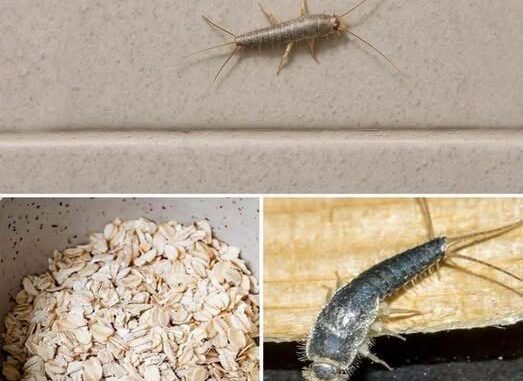
Finding a tiny, silvery insect racing across the floor can be an unpleasant surprise, especially when it happens at night. You may catch a quick glimpse before the insect disappears beneath furniture, slips into a crack, or hides behind a cabinet.
If you’ve experienced this, you may have encountered a silverfish.
Silverfish are small, wingless insects recognized by their shiny, silver-gray bodies, long antennae, and distinctive wriggling movements. They are especially active at night, which is why many homeowners don’t notice them until the lights come on.
Although their appearance can be alarming, silverfish are generally not considered dangerous to humans or household pets. They don’t bite or sting and are not known for spreading diseases. However, discovering them indoors can be a useful clue that something about the home’s environment is attracting them.
Why Silverfish Enter Homes
Silverfish prefer places that are dark, quiet, and humid. They are particularly comfortable in areas where moisture remains in the air or around surfaces for extended periods.
Common locations include:
- Bathrooms
- Kitchens
- Basements
- Laundry areas
- Under sinks
- Around plumbing
- Damp storage spaces
- Areas with poor ventilation
High humidity is one of the biggest factors that allows silverfish to survive indoors. A home with persistent moisture provides the cool, sheltered conditions these insects prefer.
For that reason, seeing silverfish can sometimes be less about the insects themselves and more about identifying an underlying moisture issue.
What Do Silverfish Eat?
Silverfish are attracted to materials containing starches and carbohydrates. While they may occasionally encounter food crumbs, their diet can also include items found throughout the home.
They may feed on materials such as:
- Paper
- Cardboard
- Wallpaper paste
- Book bindings
- Glue
- Certain fabrics
- Stored household materials
This is why silverfish can become particularly frustrating in rooms where books, documents, boxes, or other paper products are stored.
A few insects may not cause noticeable damage, but repeated activity can become a concern when they have easy access to suitable food sources.
Does One Silverfish Mean You Have an Infestation?
Not necessarily.
Occasionally finding a single silverfish doesn’t automatically mean there is a large population hiding somewhere in your house. The insect may simply have entered the home while searching for moisture or shelter.
However, repeated sightings deserve more attention.
You may want to investigate further if you regularly notice silverfish, especially if you also find:
- Shed insect skins
- Small areas of damage to paper products
- Tiny holes or marks on stored materials
- Silverfish appearing in several rooms
- Insects hiding in consistently damp areas
These signs can indicate that the insects have found a suitable environment and may be reproducing nearby.
Moisture Control Is the Most Important Step
One of the most effective ways to make your home less attractive to silverfish is to reduce excess moisture.
Start by looking for possible sources of humidity or water.
Check underneath sinks, around toilets, near washing machines, and around exposed plumbing. Even a small leak can create a persistently damp area that provides favorable conditions for insects.
Improving ventilation can also help.
Use bathroom exhaust fans when showering and allow damp areas to dry properly. In particularly humid rooms, a dehumidifier can make a noticeable difference by lowering the amount of moisture in the air.
Repairing leaks and improving airflow doesn’t just discourage silverfish. It can also help protect your home from problems associated with excessive moisture.
Keep Their Hiding Places Under Control
Silverfish are naturally drawn to dark, undisturbed spaces. Reducing clutter can therefore make your home less inviting.
Avoid leaving piles of cardboard, paper, or other stored materials in damp areas for long periods. Store important documents and books in appropriate dry conditions, and keep boxes elevated from potentially damp floors whenever practical.
Regular cleaning can also remove crumbs and other potential food sources.
The goal isn’t necessarily to make every corner of the home completely insect-free. Instead, it’s about removing the combination of moisture, shelter, and food that allows silverfish to thrive.
When Should You Be Concerned?
Silverfish are usually more of a nuisance than a danger.
If you’ve spotted one occasionally, there may be no reason to panic. A simple inspection of the area can help determine whether there is an obvious source of moisture or clutter nearby.
Frequent sightings, however, are worth investigating.
If silverfish continue appearing despite efforts to reduce moisture and improve sanitation, professional pest-control advice may be useful. A specialist can help identify where the insects are coming from and whether there is a larger problem that isn’t immediately visible.
A Small Insect Can Reveal a Bigger Household Issue
The most useful way to think about silverfish is not necessarily as a dangerous pest, but as a possible indicator of the conditions inside your home.
Their presence may be telling you that an area is too humid, poorly ventilated, or providing too many suitable hiding places.
By addressing those conditions, you can make the environment less comfortable for silverfish while also improving the overall condition of your home.
Final Thoughts
Finding a silverfish crawling across your floor can certainly be unpleasant, but there is usually no reason to panic. These insects aren’t known for biting people, stinging pets, or spreading disease.
The bigger question is why they have chosen your home.
Look for moisture, leaks, humidity, clutter, and accessible food sources. Fix plumbing problems, improve ventilation, keep storage areas dry, and consider using a dehumidifier where necessary.
In many cases, making the home drier and less hospitable can go a long way toward discouraging silverfish.
So the next time you spot that quick, silvery insect disappearing into a dark corner, don’t just focus on the bug. Take it as a reminder to check the environment around it. Sometimes a tiny household pest can provide an early clue that your home could benefit from a little more attention to moisture and ventilation.
Leave a Reply