
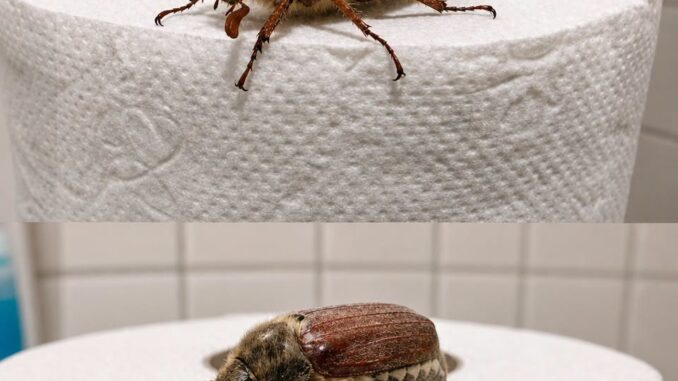
Finding an unfamiliar bug crawling across a wall, floor, window, or countertop can be unsettling. Your first reaction might be to grab a spray, squash it, or wonder whether there could be many more hiding somewhere nearby.
But an unfamiliar insect isn’t automatically a sign of danger—or an infestation.
The smartest first step is often surprisingly simple: pause and identify what you’re looking at.
A calm approach can help you determine whether the visitor is harmless, something that occasionally wanders indoors, or a pest that deserves closer attention.
Take a Closer Look Before Taking Action
Before reaching for pesticides, observe the insect from a safe distance.
Try to notice its approximate size, color, body shape, number of legs, wings, antennae, and movement. Also consider where you found it.
Was it near a window?
In the bathroom?
Around food?
In a basement or garage?
Near a wooden structure?
The location can sometimes provide useful clues about what attracted the insect indoors.
If it is safe to do so, take a clear photograph. Several well-lit photos from different angles can make identification considerably easier.
You don’t necessarily need to touch or capture the insect to identify it.
Why Identification Matters
Different insects require different approaches.
A single moth near a window is very different from repeatedly finding insects around stored food. Likewise, an occasional outdoor insect that wanders inside isn’t necessarily evidence of a household infestation.
Misidentifying a bug can lead to unnecessary treatments, wasted money, and excessive pesticide use.
Accurate identification helps you determine whether you need to do anything at all.
If you’re uncertain, consider consulting a reputable insect-identification resource, university extension service, or qualified pest professional.
Many Household Insects Are Simply Visitors
Homes naturally encounter insects from time to time.
Small beetles, moths, flies, spiders, and other creatures can enter through open doors, windows, gaps, or small openings around a building.
Some are attracted to lights.
Others are searching for food, moisture, shelter, or warmer conditions.
Finding one insect doesn’t necessarily mean your home has a serious problem.
The important thing is to look for patterns.
If you repeatedly see the same type of insect, find them in multiple rooms, or notice other signs of activity, then further investigation may be worthwhile.
Look for Signs of a Larger Problem
Certain pests can be associated with more persistent household issues.
For example, repeated sightings of particular insects around stored food may indicate a pantry pest problem. Other pests may be associated with moisture, damaged wood, cracks, or access to food.
Bed bugs, termites, and some other household pests can require professional attention when an infestation is established.
However, simply seeing an unfamiliar insect does not prove that any of these problems exist.
That’s why identification should come before assumptions.
Avoid Spraying First and Asking Questions Later
It can be tempting to immediately use an insecticide when something unfamiliar appears.
But indiscriminate pesticide use isn’t always the best solution.
Spraying an unidentified insect may kill the individual bug without addressing whatever attracted it indoors in the first place.
It can also unnecessarily expose household members, pets, and other organisms to pesticides.
Instead, determine what you’re dealing with and whether treatment is actually necessary.
If a pesticide is appropriate, always read and follow the product label carefully and use it only for its intended purpose.
Keep Food Properly Stored
One of the simplest ways to make your home less attractive to unwanted insects is to limit easy access to food.
Store dry goods such as flour, cereal, rice, pasta, and pet food in tightly sealed containers when practical.
Clean crumbs and food spills promptly, particularly in areas beneath appliances and inside cabinets.
Regularly check cupboards and pantry shelves for expired or damaged food packages.
If you discover insects inside a food package, don’t simply move the package to another shelf. Inspect nearby products as well, because some pantry pests can spread between stored foods.
Moisture Can Attract Unwanted Visitors
Some insects are more likely to appear in damp environments.
Bathrooms, basements, kitchens, laundry areas, and spaces around plumbing can provide moisture that certain household pests find attractive.
Check for leaking pipes, dripping faucets, condensation, or areas that remain damp for extended periods.
Improving ventilation and repairing leaks can help make these spaces less appealing.
Reducing unnecessary moisture is useful not only for pest management but also for maintaining a healthier home environment.
Check Doors, Windows, and Screens
Small gaps around windows and doors can provide convenient entry points for insects.
Inspect window screens for holes and repair damaged areas.
Check door seals and weather stripping for gaps.
You can also inspect areas around pipes, vents, cables, and other openings where insects might enter from outside.
Sealing appropriate cracks and gaps can reduce opportunities for insects to get indoors.
Don’t Forget Outdoor Conditions
Sometimes the source of an indoor insect problem is actually outside.
Outdoor lights can attract flying insects, while standing water can provide breeding opportunities for certain species.
Keep outdoor areas reasonably clean, remove unnecessary standing water, and maintain screens and doors.
If vegetation is growing directly against the structure, keeping it appropriately maintained may also reduce some pathways into the home.
The goal isn’t to eliminate every insect around your property.
That’s neither practical nor desirable.
Many insects play important roles in ecosystems.
Instead, the goal is to reduce unnecessary opportunities for pests to enter living spaces.
What If You Can’t Identify the Bug?
Don’t panic.
Take photographs and write down where and when you found it.
If you see another one later, photograph that insect too.
You can then compare the images with reliable identification resources or show them to a professional.
If the insect appears to bite, sting, or cause a concerning reaction, avoid handling it and seek appropriate professional advice.
When dealing with potentially hazardous insects, identification should take priority over curiosity.
When Professional Help Makes Sense
Professional pest control may be appropriate when insects are appearing repeatedly, there are signs of property damage, or you suspect an established infestation.
It can also be useful when identification is uncertain and the insects are difficult to manage safely.
A qualified professional can inspect the property, identify potential entry points, and determine whether treatment is necessary.
A good inspection should focus on the source of the problem rather than simply spraying every visible insect.
Don’t Assume One Bug Means Hundreds
One of the biggest mistakes people make after finding an unfamiliar insect is immediately imagining the worst.
A single bug does not automatically mean there are dozens or hundreds hiding in the walls.
Insects can enter homes accidentally, particularly during changes in weather or when doors and windows are frequently opened.
Repeated sightings are more informative than one isolated encounter.
Pay attention to frequency, location, and whether you are seeing the same type of insect over time.
A Simple Routine for Mystery Bugs
The next time you discover an unfamiliar insect, try following a simple process:
Observe. Look at the insect without touching it.
Photograph. Take clear pictures if you can do so safely.
Identify. Use reliable resources or ask an appropriate professional.
Inspect. Look for food, moisture, entry points, or other conditions that may attract it.
Act. Choose a response based on what you’ve actually discovered.
This approach is usually more effective than reacting immediately with chemicals.
Prevention Is Often the Best Strategy
Keeping insects out completely isn’t realistic. Homes are part of the same environment as the insects living around them.
However, a few routine habits can reduce unwanted encounters.
Keep food sealed, clean spills promptly, repair screens, address leaks, reduce unnecessary moisture, and seal suitable gaps around the home.
Regular cleaning also makes it easier to notice changes before a small issue becomes a larger one.
Final Thoughts
Discovering a mystery bug in your home can be surprising, but there’s usually no reason to panic.
The most useful response is to slow down and gather information.
Take a photograph if possible, note where you found the insect, and try to identify it before deciding whether treatment is necessary.
Some insects are harmless visitors that simply found their way indoors. Others may indicate food, moisture, structural, or sanitation conditions that deserve attention.
The difference is important.
Instead of automatically reaching for a pesticide, focus first on identification and prevention. Address food sources, moisture, entry points, and other conditions that may be attracting pests.
A little observation can save you unnecessary worry, unnecessary expense, and unnecessary chemical use.
So the next time an unfamiliar bug crosses your wall, take a breath and look a little closer. The mystery may be easier to solve than you think.
Leave a Reply