
Finding a slug crawling across your patio, garden path, or even inside your home may not seem like a pleasant surprise.
These soft-bodied creatures are often associated with damaged plants and slimy trails. But slugs are also a natural part of many ecosystems, and their presence can reveal useful information about the conditions around your home.
Rather than immediately assuming that a slug means something is wrong, it can be helpful to understand why it appeared there in the first place.
What Exactly Is a Slug?
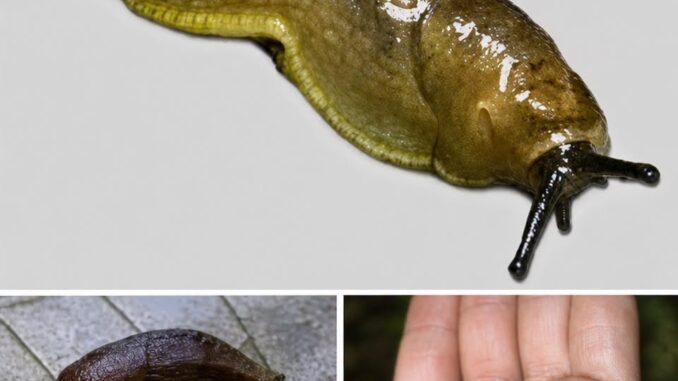
Slugs are soft-bodied mollusks related to snails. Unlike most familiar snails, they do not have a large external shell, although some species retain a small internal shell structure.
They are especially active in cool, damp conditions.
Their familiar slime serves several purposes. It helps them move across surfaces, reduces friction, and helps protect their bodies from drying out.
That is why slugs are particularly noticeable after rainfall or during humid evenings.
Why Are Slugs Appearing Around Your House?
If you regularly notice slugs in your garden or around outdoor areas, your property may simply provide the conditions they prefer.
Slugs are attracted to:
- Moist soil
- Leaf litter
- Compost and decaying vegetation
- Mulch
- Shaded areas
- Dense plants and ground cover
- Cool, damp hiding places
Rain can also bring them closer to the surface because the increased moisture makes movement and feeding easier.
So seeing a slug after a rainy evening isn’t necessarily mysterious. It may simply mean that your yard has become a comfortable environment for them.
Slugs Are Part of Nature’s Recycling System
Although gardeners often think of slugs primarily as pests, they also participate in decomposition.
Many species feed on decaying plant material, fungi, algae, and other organic matter. By consuming this material, they contribute to the larger process through which nutrients are recycled through an ecosystem.
They aren’t the only organisms responsible for decomposition, of course. Bacteria, fungi, insects, worms, and countless other organisms perform important roles as well.
Slugs are simply one small part of this much larger natural system.
They Are Also Food for Other Animals
A slug doesn’t exist at the top of the food chain.
Various animals may feed on slugs, including some birds, amphibians, beetles, and small mammals.
This means slugs can contribute to the broader food web surrounding a garden.
A yard that supports many different organisms can become a surprisingly active miniature ecosystem. Even creatures that people consider unpleasant can provide food for other wildlife.
What Does a Slug Inside the House Mean?
This is where the situation becomes more interesting.
If you find an occasional slug inside your home, it may simply have found its way indoors through a small opening, especially during wet weather.
However, frequent sightings may justify checking for sources of excess moisture.
Look around areas such as:
- Basements
- Crawl spaces
- Utility areas
- Around doors and windows
- Under sinks
- Near plumbing
- Areas with condensation
A slug inside the house doesn’t prove that there is a leak or moisture problem. But repeated sightings can be a useful reason to inspect areas where dampness may be accumulating.
Don’t Confuse Slugs With a Sign of a “Bad” Home
Finding a slug doesn’t automatically mean your home is dirty.
These animals are primarily responding to environmental conditions such as moisture, shelter, temperature, and available food.
An otherwise clean and well-maintained home can occasionally have a slug wander indoors.
The more important question is whether you’re seeing one occasionally or dealing with a recurring problem.
What About Your Garden?
For gardeners, the picture is more complicated.
Some slugs help recycle organic material, but they can also feed on living plants. Young seedlings and certain leafy vegetables can be particularly vulnerable.
If slugs are damaging plants, gardeners can focus on practical measures such as reducing unnecessary hiding places, improving drainage where appropriate, removing excessive debris, and protecting vulnerable plants.
The goal doesn’t necessarily have to be eliminating every slug.
A healthy garden can contain many organisms, including some that occasionally compete with us for plants.
A Natural Indicator of Moisture
Because slugs depend heavily on moisture, their activity can sometimes provide a simple visual clue about environmental conditions.
A sudden increase in slugs may coincide with:
- Recent rainfall
- Higher humidity
- Wet soil
- Increased vegetation
- Damp organic material
This doesn’t make slugs a precise scientific measuring tool, but their behavior can offer a basic reminder of how strongly moisture influences the small ecosystem around your property.
The Fascinating Science of Slug Slime
Slug mucus is more than just the substance responsible for the trails they leave behind.
It plays an important role in movement and protection and has attracted scientific interest because of its unusual physical and chemical properties.
Researchers have studied mucus from slugs and related mollusks for various potential applications, including biomaterials and medical research.
That doesn’t mean ordinary slug slime should be considered a treatment for wounds or other health conditions. Scientific research into biological materials is very different from evidence that a substance is safe or effective as a home remedy.
Still, the biology of these animals is considerably more sophisticated than their appearance might suggest.
Should You Be Worried About a Slug?
Usually, finding one slug around your yard isn’t a reason for alarm.
If they’re outside, they’re likely responding to ordinary environmental conditions.
If they’re repeatedly entering your home, however, it makes sense to investigate possible entry points and sources of moisture. Sealing gaps and addressing damp areas can help reduce unwanted visitors while also improving the condition of the building.
And if they’re damaging your garden, practical pest-management strategies can help protect vulnerable plants.
A Small Creature With a Bigger Role
Slugs may never become everyone’s favorite garden animal.
Their appearance and slimy trails can certainly make them unpopular.
But they are part of the natural world around us. They participate in decomposition, provide food for other animals, and respond strongly to moisture and environmental conditions.
So the next time you spot one after a rainy evening, there’s no need to assume it has arrived with some mysterious message.
It may simply be doing what slugs have evolved to do.
Sometimes an unexpected visitor isn’t a warning at all. It’s simply a small reminder that even the space around our homes is part of a much larger living ecosystem.
Leave a Reply