
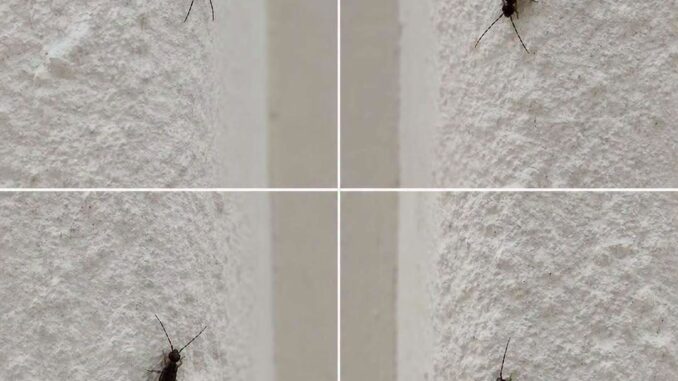
Finding an unfamiliar insect inside your home can be surprising, especially when you have no idea where it came from. The good news is that seeing one bug does not automatically mean your house has an infestation. Many insects accidentally make their way indoors while looking for food, moisture, warmth, or shelter.
Instead of immediately worrying, the best approach is to figure out what you’re actually dealing with.
Start by Identifying the Insect
Before reaching for insecticide, try to identify the bug.
Different insects behave in very different ways. Some are harmless visitors that simply wandered inside, while others may indicate moisture problems, food sources, or an entry point that needs attention.
Take a clear photograph of the insect in good lighting. You can compare the image with a reputable insect-identification resource or ask a local extension service for help. If you’re still uncertain, a licensed pest-control professional can provide a reliable identification.
Knowing the species first can prevent unnecessary treatments and help you choose the right solution.
Look for What May Have Attracted It
Once you have an idea of what the insect is, look around your home for possible attractants.
Certain areas are especially likely to draw insects, including:
- Kitchens
- Bathrooms
- Laundry rooms
- Basements
- Garages
- Areas with poor ventilation
Food crumbs, pet food, overflowing garbage, leaks, condensation, and standing water can all create attractive conditions for different types of insects.
Even a small plumbing leak or damp corner can provide enough moisture for certain pests to survive.
Removing these sources is often more effective than simply killing the insects you happen to see.
Keep Food and Waste Under Control
Basic household maintenance can make a major difference.
Clean countertops and eating areas regularly, vacuum floors and carpets, and avoid leaving food uncovered. Store pantry items in tightly sealed containers whenever possible.
Garbage should also be emptied regularly, particularly if it contains food scraps.
Pet food can be another overlooked source of attraction. Avoid leaving bowls of food sitting out for long periods, and clean the surrounding area if crumbs or spills accumulate.
These small habits make your home considerably less appealing to many household pests.
Pay Attention to Moisture
Moisture is one of the biggest reasons certain insects enter homes.
Check underneath sinks, around toilets, near washing machines, and anywhere plumbing enters walls or floors. Look for dripping faucets, leaking pipes, condensation, or areas that remain damp for long periods.
Improving ventilation can also help, particularly in bathrooms, kitchens, basements, and laundry areas.
If your home has consistently high humidity, using appropriate ventilation or a dehumidifier may make the environment less attractive to moisture-loving insects.
Check How They’re Getting Inside
Sometimes the problem isn’t inside your house at all.
Insects can enter through surprisingly small openings around doors, windows, vents, utility lines, and cracks in exterior walls or foundations.
Inspect window screens for holes and make sure doors close tightly. Door sweeps can help close gaps beneath exterior doors, while suitable sealants can be used around cracks and openings where insects may be entering.
Also take a look around the outside of your home.
Overgrown plants touching the walls, piles of leaves, wood, or other organic debris can provide hiding places close to the foundation. Standing water near the house can also attract insects.
Keeping the immediate area around your home clean and reasonably dry can reduce opportunities for pests to move indoors.
One Insect Doesn’t Always Mean an Infestation
It’s important not to jump to conclusions after seeing a single insect.
A bug may simply have entered through an open door or window. Seasonal changes can also cause certain insects to become more noticeable indoors.
However, repeated sightings deserve more attention.
If you keep finding the same insect, see several of them in different rooms, or notice signs such as damaged materials, droppings, shed skins, or nests, there may be an underlying problem.
That’s when identifying the insect becomes especially important.
Don’t Spray Randomly
It can be tempting to grab a pesticide as soon as you see an unfamiliar bug.
But treating an unidentified insect without knowing what it is can be ineffective and may expose people or pets to unnecessary chemicals.
Different insects require different control methods. Some problems can be solved simply by removing food or moisture sources, while others may require physical exclusion or professional treatment.
If you’re unsure what you’re dealing with, identification should come before treatment.
When Should You Call a Professional?
Consider contacting a licensed pest-management professional if insects continue appearing despite your efforts, if you discover a large number of them, or if you cannot determine where they’re coming from.
A professional can identify the species, inspect likely hiding places, locate potential entry points, and recommend a targeted approach.
This is particularly useful when the insects may be associated with structural damage, persistent moisture, or a hidden nest.
The Best Defense Is Prevention
Keeping insects out of your home isn’t necessarily about making your house completely sterile. It’s about making it less attractive and reducing the opportunities they have to enter and establish themselves.
A few simple measures can go a long way:
- Keep food sealed and clean up crumbs promptly.
- Empty garbage regularly.
- Fix leaks and eliminate unnecessary standing water.
- Improve ventilation in damp areas.
- Keep indoor humidity under control.
- Repair damaged screens.
- Seal obvious gaps around windows, doors, pipes, and vents.
- Keep plants and debris away from the foundation.
- Identify unfamiliar insects before choosing a treatment.
The Bottom Line
Finding an unfamiliar insect indoors can certainly be unsettling, but one unexpected visitor isn’t necessarily a reason to panic.
The most useful first step is identification. Once you know what you’re looking at, you can investigate why it entered your home and whether there is anything attracting more of them.
In many cases, simple changes such as reducing moisture, removing food sources, improving cleanliness, and sealing entry points are enough to make a home far less inviting to insects.
And if the sightings continue, getting professional advice can help you deal with the underlying cause rather than simply treating the insects you happen to notice.
So the next time you discover a strange bug inside your home, don’t immediately assume the worst.
Identify it, look for the reason it may have entered, and focus on prevention before reaching for chemicals.
Leave a Reply