

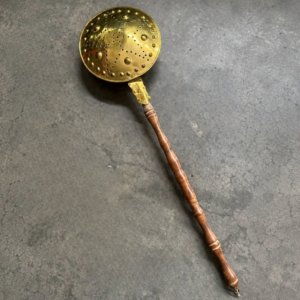
Before central heating became common, staying warm during cold nights required a bit more preparation. In many homes throughout the late 19th and early 20th centuries, families relied on practical household tools to make winter evenings more comfortable. One of the most recognizable of these items was the antique bed warmer.
Although no longer used in most modern homes, bed warmers remain popular among collectors and history enthusiasts because they offer a glimpse into everyday life before electric heating and heated blankets became widely available.
What Is an Antique Bed Warmer?
A bed warmer was a household tool designed to warm bedding before people got into bed.
During a time when many homes were heated by fireplaces, wood-burning stoves, or coal furnaces, bedrooms often became quite cold overnight. Rather than heating the entire room, families used a bed warmer to add warmth directly to the bed, making it more comfortable before sleeping.
Today, these items are appreciated primarily as antiques that reflect the ingenuity of earlier generations.
How Bed Warmers Were Designed
Traditional bed warmers typically featured a round metal warming pan attached to a long wooden handle.
The metal portion was commonly made from copper or brass because these materials conduct heat efficiently and are durable enough for repeated use.
The wooden handle served an important purpose by allowing the warmer to be moved without directly touching the heated metal, helping protect the user’s hands.
Many antique examples also include decorative perforations or vents in the metal lid. These openings helped manage airflow and often added an attractive design element that reflected the craftsmanship of the period.
Another common feature is a hanging ring or loop at the end of the handle, making it easy to store the warmer on a wall hook when it wasn’t being used.
Why Bed Warmers Were Useful
Life before modern heating systems was very different from today.
While fireplaces and stoves could warm main living areas, bedrooms often remained chilly, particularly during winter nights.
A bed warmer offered a simple solution by warming the bedding before bedtime, helping make sleeping conditions more comfortable without needing to heat the entire house.
It was one of many practical tools families relied on to adapt to colder climates using the technology available at the time.
Why They Disappeared
As indoor heating systems became more common throughout the 20th century, the need for bed warmers gradually declined.
Advances such as central heating, improved insulation, electric blankets, and heated mattress pads made it much easier to keep bedrooms warm.
As a result, bed warmers transitioned from everyday household tools to historical artifacts that are now found in antique shops, museums, and private collections.
What Collectors Look For
Antique bed warmers remain sought after by collectors because they combine historical significance with attractive craftsmanship.
When evaluating one, collectors often consider:
- Original materials and construction
- Overall structural condition
- Natural aging and patina
- Decorative details
- Manufacturer’s marks or stamps, if present
Many collectors appreciate original finishes, as natural wear often reflects the item’s history and authenticity.
Caring for an Antique Bed Warmer
Proper care helps preserve both the appearance and historical value of antique household items.
General recommendations include:
- Dusting regularly with a soft cloth
- Cleaning gently when needed
- Drying thoroughly after any cleaning
- Avoiding harsh chemicals or abrasive cleaners
- Preserving the original finish whenever possible
Excessive polishing may remove the natural patina that many collectors value, so a conservative approach to cleaning is often preferred.
Decorative Appeal Today
Although bed warmers are no longer practical household necessities, they continue to serve as attractive decorative pieces.
They are frequently displayed in:
- Farmhouse-style interiors
- Rustic homes
- Vintage-inspired décor
- Historic houses
- Antique collections
Their combination of polished metal and handcrafted wood makes them an interesting conversation piece while offering a tangible connection to domestic history.
Are Antique Bed Warmers Safe to Use?
Most antique experts recommend displaying these items rather than using them for their original purpose.
Because they were manufactured long before modern safety standards, antique bed warmers are generally considered historical collectibles rather than functional household tools.
Preserving them helps protect both the object and its historical value.
A Window Into Everyday History
Household objects often tell stories that history books overlook.
The antique bed warmer reflects a time when comfort depended on practical solutions, careful craftsmanship, and thoughtful design. It reminds us how families adapted to everyday challenges using the materials and technology available to them.
Although modern heating has made tools like these unnecessary for daily life, they remain valuable reminders of how homes functioned in an earlier era.
Final Thoughts
The antique bed warmer is more than an interesting collectible—it represents an important chapter in the history of everyday household life.
Its simple design, durable materials, and practical purpose illustrate how previous generations found creative ways to stay comfortable during colder months. Today, whether displayed as home décor or preserved in a collection, these historic tools continue to offer insight into the ingenuity and craftsmanship of the past.
Leave a Reply