
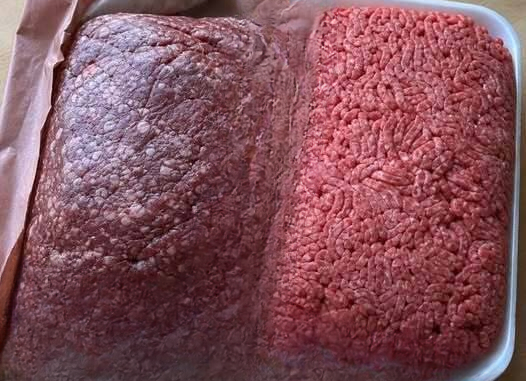
Shopping for meat can sometimes feel confusing. With so many brands, labels, and packaging styles available, it can be difficult to know what to look for.
While appearance alone cannot guarantee quality, there are several simple signs that can help shoppers make more informed decisions before adding meat to their cart.
Start by Checking the Packaging
One of the easiest things to examine is the package itself.
Look for:
- Secure, undamaged wrapping
- Minimal excess liquid inside the tray
- Properly sealed packaging
- No unusual swelling or trapped air
- A clean appearance without leaks
A small amount of liquid is normal in some packages, but excessive moisture may affect cooking performance and texture.
Look Beyond Color Alone
Many shoppers assume bright red meat automatically means it is fresher.
In reality, color can be influenced by packaging methods and exposure to oxygen.
Instead of focusing only on color, consider:
- Even coloring throughout the package
- Consistent texture
- Proper refrigeration
- Lack of large gray or dark patches
For poultry, the surface should appear moist but not excessively wet or sticky.
Read Labels Carefully
Food experts often recommend spending a few extra seconds reading the label.
Useful information may include:
- Country of origin
- Processing location
- Added solutions or seasonings
- Water and sodium content
- Whether the product was previously frozen
Understanding these details can help you compare products more effectively and choose options that match your preferences.
Pay Attention to Freshness Dates
When several packages are available, compare the dates carefully.
Choosing products with later sell-by or use-by dates may provide additional freshness and flexibility for meal planning.
Why Some Shoppers Prefer Local Butchers
Many consumers enjoy shopping at local butcher shops because they can ask questions directly about:
- Product sourcing
- Farming practices
- Freshness
- Recommended cooking methods
While large grocery stores remain highly regulated and generally safe, some shoppers appreciate the added transparency and personal service that smaller suppliers can provide.
Understanding Moisture During Cooking
One common complaint from home cooks is that some meats release large amounts of liquid during cooking.
This can happen for several reasons:
- Natural moisture loss
- Freezing and thawing
- Packaging methods
- Added solutions or brines
When too much liquid is released, meat may steam instead of browning properly, affecting texture and flavor.
Helpful Shopping Habits
Many food specialists suggest a few simple practices:
Shop Earlier in the Day
Fresh products are often restocked during morning hours.
Compare Brands
Trying different brands can help you identify products that consistently meet your expectations.
Inspect Every Package
Check for damaged seals, excessive liquid, or unusual appearance.
Trust Your Judgment
If something looks unusual or questionable, choosing another package is often the best option.
The Growing Importance of Transparency
Today’s shoppers are increasingly interested in knowing:
- Where their food comes from
- How products are processed
- What ingredients or solutions are added
- How food is transported before reaching stores
In response, many brands now provide more detailed sourcing information and clearer labeling.
Quality vs. Safety
It is important to remember that quality and safety are not always the same thing.
A product can meet all food safety standards while still varying in:
- Flavor
- Texture
- Tenderness
- Moisture content
- Overall eating experience
Many shoppers simply want consistent quality and clear information so they can make informed decisions.
Final Thoughts
Choosing better-quality meat does not require expert knowledge.
By paying attention to packaging, labels, freshness dates, appearance, and overall condition, shoppers can make more confident choices at the grocery store.
The goal is not perfection—it’s awareness.
A few extra moments spent inspecting products can help improve cooking results, reduce surprises in the kitchen, and make grocery shopping a little easier.
Leave a Reply