

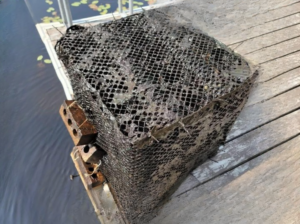
There is something special about spending time by a lake. Whether you’re fishing from a dock, relaxing along the shoreline, or enjoying a quiet morning on the water, lakes offer a unique connection to nature.
What many people don’t realize, however, is that beneath the surface there is often an entire ecosystem at work. Young fish seek shelter among underwater vegetation, fallen branches, rocks, and other structures that provide protection from predators and harsh environmental conditions.
In some lakes and ponds, these natural hiding places are supplemented by man-made structures known as fish cribs.
What Is a Fish Crib?
A fish crib is an artificial underwater habitat designed to provide shelter and cover for fish. These structures are typically made from materials such as logs, branches, rocks, or specially designed aquatic habitat components.
The goal is simple: create a safe environment where fish can feed, grow, and avoid predators.
Fish cribs can be especially helpful in bodies of water where natural habitat has been reduced due to shoreline development, erosion, or environmental changes.
The Origins of Fish Cribs
The use of fish cribs became more common during the mid-20th century as anglers and fisheries managers gained a better understanding of fish habitat needs.
As recreational fishing grew in popularity, communities began exploring practical ways to support healthy fish populations. One effective solution was the creation of underwater structures that mimicked natural cover.
Early fish cribs were often built using readily available materials such as brush, logs, and rocks. Although simple in design, they provided valuable shelter for juvenile fish and helped improve local aquatic environments.
Why Fish Need Underwater Cover
Young fish face numerous challenges as they grow. Larger predators, changing water conditions, and limited food sources can affect survival rates.
Underwater habitat structures provide several benefits:
- Protection from predators
- Areas for feeding and resting
- Improved breeding and nursery habitat
- Increased biodiversity within the ecosystem
- Enhanced opportunities for fish growth and development
Over time, algae, aquatic plants, and small organisms may attach to these structures, creating additional food sources and supporting a balanced food chain.
A Valuable Tool for Fisheries Management
Fish cribs are not only useful for anglers—they also play a role in conservation and fisheries management.
By increasing available habitat, these structures can help support healthier fish populations and improve ecological diversity in lakes, ponds, and reservoirs.
Many local conservation groups, fishing clubs, and environmental organizations participate in habitat enhancement projects that include installing fish cribs and similar structures.
These efforts demonstrate how simple, community-based projects can contribute to long-term environmental stewardship.
Modern Fish Cribs
Today’s fish cribs are often designed with durability and environmental sustainability in mind. Depending on local regulations and habitat goals, they may be constructed using:
- Untreated natural wood
- Recycled habitat materials
- Environmentally approved PVC structures
- Specialized aquatic habitat systems
Modern designs aim to provide long-lasting shelter while minimizing environmental impact.
Supporting Healthy Aquatic Ecosystems
Healthy fish populations depend on more than just clean water. Habitat availability is a critical component of a thriving aquatic ecosystem.
Fish cribs help create spaces where fish can find shelter, locate food, and complete important stages of their life cycle. In areas where natural cover is limited, these structures can make a meaningful difference.
Looking Beneath the Surface
The next time you’re fishing or spending time near a lake, remember that much of the ecosystem’s activity happens out of sight.
Beneath the water, fish, plants, insects, and countless other organisms interact within a carefully balanced environment. Structures like fish cribs help support that balance by providing habitat where it is needed most.
While they may not always be visible from the shoreline, these underwater structures play an important role in maintaining healthy fisheries and supporting aquatic life for years to come.
By combining practical habitat management with community involvement, fish cribs continue to serve as a simple and effective tool for conservation and sustainable recreation.
Leave a Reply