
In today’s fast-paced world of advanced machinery, cordless drills, and precision-engineered construction tools, it’s easy to assume that traditional hand tools have been left behind. Modern workshops are filled with equipment designed to increase speed and efficiency, often replacing manual methods that once defined craftsmanship.
However, not all tools have faded into history. In fact, some of the simplest and oldest tools remain just as relevant today as they were centuries ago. Among these enduring essentials is a small yet incredibly effective instrument known as the nail punch, sometimes referred to as a nail set.
At first glance, it may seem insignificant compared to larger, more complex tools. Yet this modest device plays a crucial role in achieving smooth, refined, and professional-looking wood surfaces. Its continued use by carpenters, furniture makers, and restoration specialists highlights an important truth: simplicity, when done right, can be timeless.
Understanding the Purpose of a Nail Punch
A nail punch is a compact handheld tool specifically designed to drive the head of a nail slightly below the surface of wood. This technique, often called “setting” or “sinking” a nail, is essential for creating clean and visually appealing finishes.
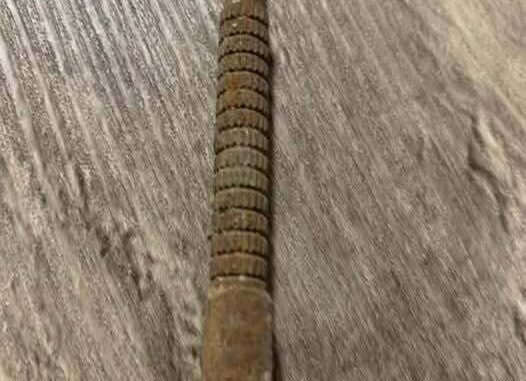
The tool itself is straightforward in design. It typically consists of a solid metal shaft with a narrow, rounded tip on one end. This tip is carefully aligned with the head of a nail, while the opposite end is struck with a hammer. The applied force pushes the nail deeper into the material without causing damage to the surrounding surface.
Once the nail is recessed, the small indentation can be filled with wood filler or putty. After sanding and finishing, the surface appears smooth and uninterrupted, with no visible hardware.
This process is especially valuable in projects where appearance matters, such as furniture construction, decorative trim, cabinetry, and detailed woodwork.
A Tool Rooted in History
Although modern nail punches are made using advanced materials and manufacturing techniques, the concept behind them dates back thousands of years.
Early builders and craftsmen faced similar challenges to those we see today. They needed reliable ways to secure materials while maintaining a clean and polished appearance. Before the development of modern tools, they relied on basic striking instruments made from stone, bronze, or iron.
Over time, these early innovations evolved. As woodworking became more refined, the demand for smoother finishes increased. Visible fasteners were often considered undesirable, especially in decorative or high-quality pieces.
This need led to the development of tools specifically designed to conceal nail heads beneath the surface. The nail punch emerged as a practical and effective solution, allowing craftsmen to combine strength with aesthetic appeal.
Advancements During the Industrial Revolution
The Industrial Revolution brought significant changes to tool production and construction practices. With the rise of mass manufacturing, nails became more standardized, and building materials were produced in greater quantities.
This shift created a need for tools that could match the precision and consistency of these new materials.
During this period, the nail punch underwent important improvements. Manufacturers began producing tools in uniform sizes, ensuring compatibility with different types of nails. Stronger metals were used to increase durability, allowing the tool to withstand repeated use without deforming.
These refinements made woodworking more efficient and reliable. Carpenters could now achieve consistent results across projects, improving both structural integrity and visual quality.
In addition to aesthetic benefits, recessing nails also offered practical advantages. By embedding the nail head below the surface, it became less exposed to environmental factors such as moisture, reducing the likelihood of rust and extending the lifespan of the structure.
How It Works in Real-World Applications
Despite its simple appearance, using a nail punch effectively requires a steady hand and proper technique.
The process begins by driving a nail into the wood using a hammer until it sits nearly flush with the surface. At this stage, the nail punch is positioned directly over the nail head.
A controlled tap with a hammer pushes the nail slightly deeper into the material. The key is precision—too much force can damage the wood, while too little may not achieve the desired depth.
Once the nail is set below the surface, the resulting indentation is filled with a suitable material such as wood filler. After it dries, the area is sanded smooth, blending seamlessly with the surrounding surface.
The final result is a clean, polished finish that enhances the overall appearance of the project.
Modern Improvements Without Changing the Core Design
While the fundamental design of the nail punch has remained largely unchanged, modern versions have introduced several enhancements to improve usability and durability.
Stronger Materials
Today’s nail punches are often made from hardened steel or similar alloys. These materials are resistant to wear and can handle repeated impact without losing their shape.
Precision Tips
Manufacturers carefully shape the tip to match standard nail sizes, ensuring better accuracy and reducing the risk of slipping during use.
Leave a Reply