

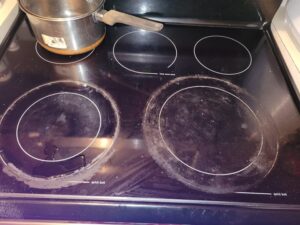
Glass top stoves are popular for a reason. They look modern, are easy to clean, and give kitchens a sleek, polished appearance. For many homeowners, they offer a perfect balance of style and convenience.
But despite their durability, glass cooktops can be more sensitive than many people realize.
One common kitchen habit that seems completely harmless can actually damage the surface and, in some cases, lead to serious cracking.
The Common Mistake Many People Make
The mistake is simple:
Placing a hot lid face-down directly on the glass stovetop.
It often happens naturally while cooking. You remove the lid from a pot and quickly set it upside down on the nearest flat surface — the stove itself.
Unfortunately, this can create problems for the glass surface underneath.
Why It Can Damage the Stove
Glass stovetops are designed to handle high cooking temperatures, but they can still react poorly to sudden or concentrated heat changes.
When a hot lid is placed face-down on the surface, heat can become trapped between the lid and the glass. This creates uneven heating in one concentrated area.
As temperatures change rapidly, stress can build inside the glass surface. Over time, or in more severe cases, this may cause cracks to appear.
The issue is not usually caused by impact or force. Instead, it happens because of heat pressure and temperature imbalance.
Why the Problem Is Easy to Miss
Many people associate cracked glass with dropping something heavy.
That is why this situation surprises so many homeowners.
Setting a lid down feels harmless because it is something people do every day in the kitchen. But glass cooktops react differently than traditional stovetops, and certain habits that seem safe can place unexpected stress on the surface.
Sometimes the damage happens immediately. Other times, small cracks appear later and gradually spread over time.
Why a Cracked Glass Stove Is Serious
Even a small crack should not be ignored.
A damaged cooktop may:
Become unsafe to use
Spread further during cooking
Heat unevenly
Create cleaning difficulties
Require expensive repairs or replacement
Because the glass surface is part of the appliance’s structure, repairs can sometimes be costly.
Safer Places to Put a Hot Lid
The good news is that this problem is easy to avoid.
Instead of placing a hot lid directly on the stove, use:
A heat-resistant trivet
A wooden cutting board
A folded kitchen towel
A countertop designed for hot cookware
These options help prevent trapped heat and reduce stress on the glass surface.
Other Habits That Can Damage Glass Cooktops
Hot lids are not the only thing that can harm a glass stove. A few other common mistakes include:
Sliding heavy pots across the surface
Using rough-bottom cookware
Leaving sugary spills to burn onto the glass
Pouring cold water onto a hot cooktop
Dropping heavy kitchen items
Small scratches and repeated stress can weaken the surface over time.
Why People Still Love Glass Top Stoves
Despite needing extra care, glass cooktops remain extremely popular.
They offer:
A clean, modern appearance
Easy maintenance
Smooth cooking surfaces
Efficient heat distribution
Compatibility with many types of cookware
For most people, the benefits outweigh the extra caution required.
Simple Habits Can Prevent Costly Damage
The most important thing is awareness.
Once people understand how heat affects glass surfaces, it becomes much easier to avoid common mistakes.
Small habits can make a big difference, such as:
Keeping a trivet nearby while cooking
Avoiding sudden temperature changes
Lifting cookware carefully
Cleaning spills quickly
Using cookware designed for glass surfaces
These simple steps can help extend the life of the appliance and reduce the risk of expensive repairs.
What to Do If Your Stove Cracks
If you notice a crack in your glass stovetop, stop using it immediately.
Even small cracks can spread further when exposed to heat. It is best to contact the manufacturer or a qualified appliance technician to inspect the damage and recommend the safest next steps.
Avoid temporary DIY fixes, as they may not be safe for continued cooking use.
Final Thoughts
Glass top stoves are stylish, practical, and convenient, but they require slightly different care than traditional stovetops.
Placing a hot lid face-down on the surface may seem harmless, yet it can trap heat and create stress that damages the glass over time.
Fortunately, once you know the risk, it is easy to avoid.
Sometimes protecting your kitchen appliances comes down to changing one small everyday habit.
Leave a Reply