
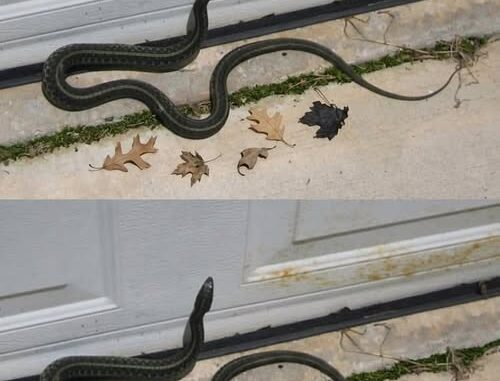
Discovering a snake inside your home can be a surprising experience. For many people, the sight of a snake where they least expect it can trigger feelings of concern, confusion, or curiosity. Homes are typically viewed as safe and controlled environments, so encountering wildlife indoors often feels unusual.
However, while finding a snake inside a house may seem alarming, it is usually the result of environmental factors rather than anything mysterious. In many cases, snakes enter homes while searching for shelter, warmth, food sources, or protection from weather conditions.
Understanding why snakes occasionally appear indoors can help homeowners respond calmly, safely, and effectively. Rather than assuming the encounter carries special meaning or immediate danger, it is often more useful to examine practical explanations and consider steps that may reduce the likelihood of future visits.
This article explores common reasons snakes enter homes, factors that attract them, how to respond safely if you encounter one, and preventative measures that can help keep your living space secure.
Why Snakes Sometimes Enter Homes
Snakes generally prefer natural outdoor habitats.
Most species spend their lives in environments that provide:
- Food
- Water
- Shelter
- Protection from predators
However, homes can occasionally provide some of these same resources.
When conditions outside become unfavorable, snakes may explore nearby structures.
Common reasons include:
Seeking Shelter
Snakes often look for protected areas where they can avoid extreme temperatures and weather conditions.
Searching for Food
If a home or surrounding property supports rodents, insects, or other prey animals, snakes may follow those food sources.
Looking for Warmth
During cooler periods, buildings may provide attractive sources of heat.
Escaping Harsh Weather
Heavy rain, flooding, drought, or extreme temperatures can sometimes push wildlife into unexpected locations.
In most situations, a snake indoors is simply responding to environmental conditions.
Common Entry Points
Many homeowners are surprised by how small an opening a snake can use.
Potential entry points include:
- Gaps beneath doors
- Foundation cracks
- Utility openings
- Damaged vents
- Crawl spaces
- Garage door gaps
- Unsealed pipe openings
Even relatively small openings can provide access.
Regular home maintenance plays an important role in reducing these opportunities.
Are Snakes Common in Residential Areas?
Many people assume snakes only live in remote forests or rural environments.
In reality, numerous species adapt well to areas near human activity.
Snakes can sometimes be found around:
- Gardens
- Parks
- Fields
- Suburban neighborhoods
- Rural properties
- Water sources
The likelihood of encounters often depends on local geography, climate, and wildlife populations.
Because residential developments frequently overlap with natural habitats, occasional encounters are not uncommon.
What Should You Do If You Find a Snake Indoors?
The most important step is remaining calm.
Sudden movements and panic can increase risk for both people and wildlife.
If you discover a snake inside your home:
Keep Your Distance
Avoid approaching, handling, or attempting to capture the animal.
Monitor Its Location
If possible, observe from a safe distance and note where it moves.
Keep Children and Pets Away
Limit access to the area until the situation is resolved.
Contact Local Wildlife Professionals
Trained personnel can identify and safely remove wildlife when necessary.
Avoid Risky Actions
Do not attempt removal if you are unsure of the species or lack appropriate experience.
Safety should always remain the priority.
Understanding Fear of Snakes
Fear of snakes is common.
For many people, it is one of the most widely reported animal-related fears.
Several factors contribute to this reaction:
- Unpredictable movement
- Lack of familiarity
- Cultural influences
- Media portrayals
- Evolutionary caution around wildlife
While caution is reasonable, fear sometimes leads people to overestimate risk.
Learning more about local wildlife can often reduce anxiety and promote safer decision-making.
The Role Snakes Play in Nature
Although many people prefer not to encounter snakes indoors, these animals serve important ecological functions.
They help maintain balance by controlling populations of:
- Rodents
- Small mammals
- Insects
- Other prey species
Without predators such as snakes, certain animal populations could increase significantly.
Because of this, snakes contribute to healthy ecosystems and agricultural environments.
Understanding their ecological role can provide useful perspective when considering human-wildlife interactions.
Leave a Reply