
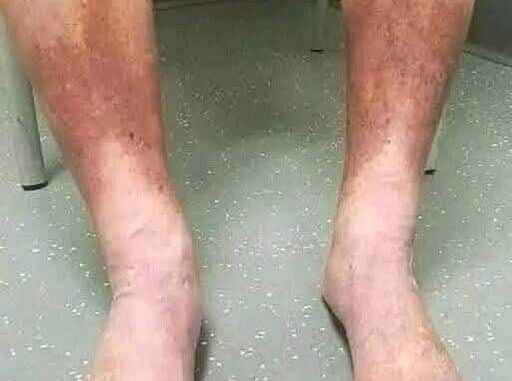
Swollen feet are a common issue that affects people of all ages. While occasional swelling is often harmless and linked to everyday activities, persistent or unexplained swelling can sometimes indicate an underlying health concern that deserves attention. Understanding why swelling occurs, recognizing potential warning signs, and adopting healthy lifestyle habits can help individuals manage discomfort and support overall well-being.
Our bodies are constantly working to maintain a delicate balance of fluids. The circulatory system, lymphatic system, kidneys, heart, and other organs cooperate to ensure that fluids move efficiently throughout the body. When this balance is disrupted, excess fluid can accumulate in the tissues, resulting in swelling. Because gravity naturally pulls fluids downward, the feet and ankles are among the most common areas where swelling becomes noticeable.
What Causes Swollen Feet?
The medical term for fluid-related swelling is edema. Edema occurs when excess fluid becomes trapped within the body’s tissues. Although swelling can affect various parts of the body, the feet and ankles are particularly vulnerable because they are the lowest points of the body when standing or sitting.
There are many possible reasons why feet may become swollen. Some causes are temporary and related to lifestyle factors, while others may be associated with medical conditions.
Prolonged Sitting or Standing
One of the most common causes of swollen feet is remaining in the same position for extended periods. Whether sitting during a long flight, working at a desk all day, or standing for hours at work, limited movement can reduce the efficiency of blood circulation.
Normally, the muscles in the legs help pump blood and fluid back toward the heart. When these muscles remain inactive for long periods, fluid may collect in the lower legs, ankles, and feet, causing temporary swelling.
Many people notice this type of swelling after:
- Long-distance travel
- Extended office work
- Attending events that require prolonged standing
- Long car journeys
Fortunately, this form of swelling often improves after walking, stretching, or elevating the feet.
High Sodium Intake
Diet plays an important role in fluid balance. Sodium is an essential mineral that helps regulate many bodily functions, but consuming excessive amounts can encourage the body to retain water.
Many processed foods, packaged snacks, fast foods, and restaurant meals contain high levels of sodium. When sodium intake rises significantly, the body may hold onto extra fluid to maintain balance, which can contribute to swelling in the feet and ankles.
Reducing sodium consumption and choosing fresh, whole foods may help support healthy fluid regulation.
Hot Weather
Warm temperatures can also contribute to swollen feet. During hot weather, blood vessels naturally expand to help the body release heat and maintain a comfortable internal temperature.
This process, known as vasodilation, can allow more fluid to move into surrounding tissues. As a result, many people experience mild swelling in their feet and ankles during the summer months or in particularly warm climates.
Staying hydrated, avoiding excessive heat exposure, and taking breaks in cooler environments may help reduce heat-related swelling.
Leave a Reply