
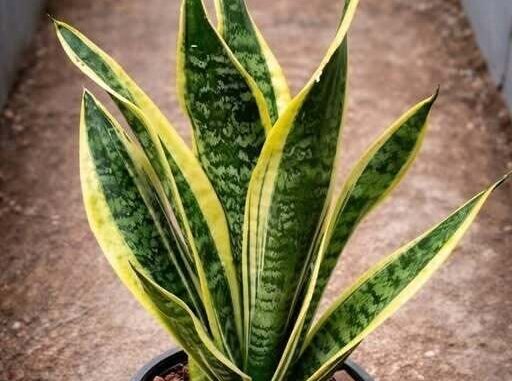
A houseplant can be much more than a decorative addition to a room. For many people, it represents comfort, growth, and a connection to nature that can make a home feel more welcoming. Whether placed on a windowsill, a desk, or in a quiet corner of a bedroom, plants often become part of the atmosphere that helps people feel relaxed and at ease.
Over the years, countless beliefs and traditions have developed around common houseplants. Some people keep a snake plant because they believe it helps protect the home from negative energy. Others place a money plant near an entrance or workspace because it is associated with prosperity and good fortune. Lavender remains a popular choice for bedrooms because many people connect its scent and appearance with calmness and relaxation.
While many of these beliefs are rooted in tradition rather than scientific proof, they continue to be passed from generation to generation. Their popularity highlights something important about human nature: people often seek small sources of comfort and positivity in their everyday surroundings.
Why Houseplant Myths Continue to Thrive
Modern life can be demanding. Between work responsibilities, family obligations, financial concerns, and daily stress, many people look for simple ways to create a sense of balance. Houseplants offer a visible reminder of growth and care, making them a natural focus for traditions and symbolic meanings.
Unlike complex solutions that require significant time or money, keeping a plant is relatively simple. Watering it, watching it grow, and caring for it can create a sense of accomplishment. This may help explain why certain plant-related beliefs have remained popular even in an age dominated by technology and scientific thinking.
Psychologists often point out that rituals and symbols can provide emotional comfort. Even when people do not fully believe a plant has special powers, they may still enjoy the positive feelings associated with it. A thriving plant can symbolize progress, resilience, and hope—qualities that many people value in their own lives.
The Popular Belief About Lucky Plants
One of the most common beliefs involves the idea that certain plants attract good luck. This tradition appears in cultures around the world and often varies depending on local customs.
For example, the money plant is frequently associated with prosperity. Many people place it in homes or offices believing it encourages financial success and abundance. Similarly, lucky bamboo is often given as a gift for new homes, business openings, or important life milestones.
These traditions are not necessarily based on scientific evidence. Instead, they reflect cultural values and long-standing customs that connect plants with positive outcomes. For many people, receiving or caring for such a plant serves as a reminder to stay optimistic and work toward their goals.
Plants and Emotional Well-Being
Although beliefs about luck and protection may not be scientifically verified, research has suggested that indoor plants can have a positive effect on emotional well-being.
Studies have shown that spending time around greenery may help people feel more relaxed and connected to nature. Indoor plants can also improve the appearance of a room, making spaces feel more inviting and comfortable.
The act of caring for a plant can itself be rewarding. Watering, pruning, and monitoring growth encourage mindfulness and attention. These small routines can create moments of calm during busy days.
For individuals who live in urban environments with limited access to outdoor green spaces, houseplants may offer an accessible way to bring a touch of nature indoors.
Leave a Reply