
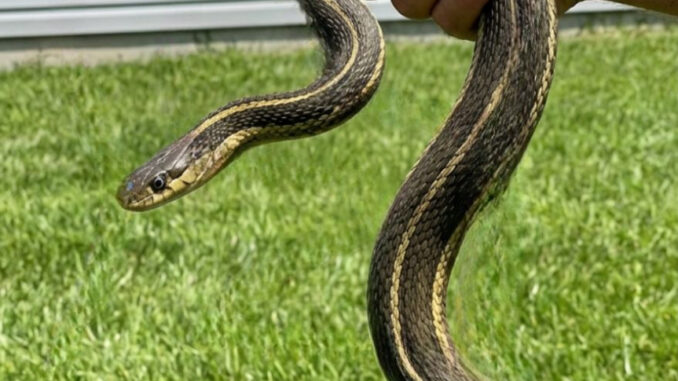
Snakes are an important part of many ecosystems and help control populations of rodents and other pests. In most cases, they prefer to avoid people and are far more interested in finding food, water, and shelter than interacting with humans.
However, many homeowners would rather reduce the chances of encountering snakes around their property. Fortunately, there are several simple steps that can make your yard less appealing to them while maintaining a safe outdoor environment for your family and pets.
Here are eight practical ways to help discourage snakes from spending time in your yard.
1. Reduce Potential Food Sources
One of the most effective ways to discourage snakes is to reduce the availability of food.
Snakes are often attracted to areas where rodents, insects, and other small animals are abundant. If your property provides easy access to these food sources, snakes may be more likely to visit.
To help reduce attraction:
- Store pet food indoors
- Clean up fallen fruit regularly
- Secure garbage containers
- Keep bird feeding areas tidy
- Manage rodent activity around the property
When food sources become less available, snakes are generally less likely to remain in the area.
2. Keep Grass and Vegetation Well Maintained
Tall grass and overgrown landscaping can provide ideal hiding places for snakes.
Regular yard maintenance helps reduce shelter opportunities and makes it easier to spot wildlife before an unexpected encounter occurs.
Helpful maintenance practices include:
- Mowing lawns regularly
- Trimming shrubs and bushes
- Removing excessive ground cover
- Clearing weeds around fences and structures
A well-maintained yard tends to be less attractive to many types of wildlife seeking cover.
3. Remove Clutter and Potential Hiding Spots
Snakes often seek out quiet, sheltered areas where they can remain hidden.
Common hiding places include:
- Wood piles
- Rock piles
- Construction materials
- Unused gardening equipment
- Dense brush
Organizing and removing unnecessary clutter can significantly reduce potential shelter locations.
If firewood is stored outdoors, consider keeping it elevated and away from the home whenever possible.
4. Eliminate Standing Water
Like many animals, snakes may be drawn to areas with reliable water sources.
Regularly inspect your property for:
- Standing water
- Leaking outdoor faucets
- Poor drainage areas
- Water-filled containers
Addressing these issues can help make your yard less appealing to a variety of wildlife.
5. Seal Entry Points Around Buildings
Even if snakes are not spending time in your yard, they may occasionally attempt to enter garages, sheds, basements, or crawl spaces.
Inspect structures for:
- Cracks in foundations
- Gaps beneath doors
- Damaged screens
- Open utility access points
Sealing potential entry areas can help reduce the chances of unwanted visitors finding their way indoors.
6. Create Clear Boundaries Around the Home
Landscaping choices can influence how comfortable wildlife feels approaching your house.
Many homeowners create buffer zones around structures using:
- Gravel
- Mulch-free borders
- Well-maintained pathways
- Open landscaping designs
These areas provide fewer places for snakes to hide and may discourage them from lingering near frequently used spaces.
7. Use Caution With Commercial Repellents
Various products are marketed as snake repellents, but effectiveness can vary considerably.
Before using any repellent product:
- Read manufacturer instructions carefully
- Follow safety guidelines
- Consider potential impacts on pets and children
- Research effectiveness from reliable sources
Not all repellents perform as advertised, so habitat management is often considered the most reliable long-term approach.
8. Contact Professionals When Necessary
If you encounter a snake and are unsure whether it is dangerous, avoid attempting to handle it yourself.
Instead:
- Keep a safe distance
- Supervise children and pets
- Contact local wildlife professionals if assistance is needed
Many wildlife experts can safely identify and relocate snakes when appropriate.
Understanding the Benefits of Snakes
Although many people prefer not to encounter snakes near their homes, it’s important to remember that most species play a beneficial role in the environment.
Snakes help naturally control populations of:
- Mice
- Rats
- Insects
- Other small pests
By keeping these populations in check, they contribute to a healthier ecological balance.
For this reason, wildlife professionals often recommend prevention and habitat management rather than harming snakes whenever possible.
Common Myths About Snakes
Many misconceptions contribute to unnecessary fear.
For example:
Myth: All snakes are dangerous.
Most snake species are nonvenomous and generally avoid human contact.
Myth: Snakes actively chase people.
In most situations, snakes prefer retreating and avoiding confrontation.
Myth: Seeing one snake means there are dozens nearby.
A single sighting does not necessarily indicate a larger problem.
Understanding these facts can help homeowners respond calmly and appropriately when encounters occur.
The Bottom Line
Keeping snakes away from your yard often comes down to one simple principle: make the area less attractive to them.
Reducing food sources, removing hiding places, maintaining landscaping, eliminating standing water, and securing buildings can all help discourage wildlife from settling near your home.
While no method can guarantee that a snake will never appear, these practical steps can significantly reduce the likelihood of encounters and help create a safer, more comfortable outdoor environment for your family and pets.
By focusing on prevention and responsible property maintenance, homeowners can enjoy their outdoor spaces while respecting the important role wildlife plays in the environment.
Leave a Reply